Dawn in the Strait of Hormuz does not arrive with gentle golden light. It bleeds through a thick, suffocating haze of salt and sulfur, painting the oil-stained waves a bruised violet. Here, twenty-one miles wide at its absolute broadest point, sits the world’s jugular vein.
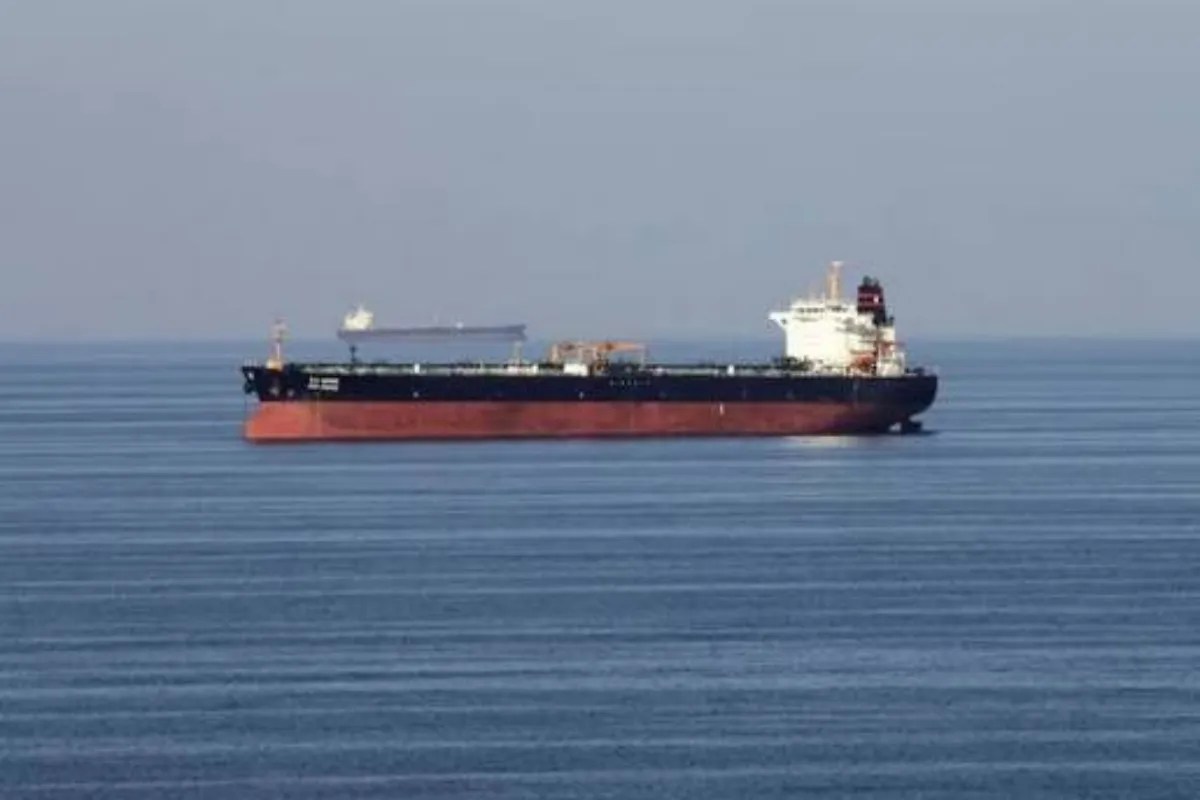
Imagine standing on the bridge of a rusted cargo tanker, the air so heavy it tastes like old copper. Below deck, millions of barrels of crude oil sleep in the dark belly of the hull, waiting to keep distant factories humming and distant cities warm. Look closer. Flanked by jagged cliffs on one side and towering gray warships on the other, every vessel that passes through this watery corridor is playing a high-stakes game of economic roulette.
This is not just geography. This is a pressure cooker.
When major political figures begin tossing around phrases like territorial ownership and maritime sovereignty over waters that have belonged to the international commons for generations, the shockwaves do not stay confined to diplomatic cables. They ripple straight into the engine rooms, the navigation stations, and the quiet homes of sailors who know that a miscalculated degree on a compass could spark a regional conflagration.
The Anatomy of a Chokepoint
To understand why a casual remark from a former American leader about claiming or dominating the Strait of Hormuz sends immediate shudders through global capitals, you have to look at the math of survival. Nearly a fifth of the world’s petroleum consumption squeezes through this narrow maritime bottleneck every single day.
Captain Rezaei, a veteran mariner with thirty years on these unpredictable tides, has seen the rhetoric shift from diplomatic whispers to megaphone diplomacy. Sitting in his cramped cabin over a cup of bitter black tea, he describes the atmosphere with a weary shrug.
"People in air-conditioned offices thousands of miles away talk about strategic leverage," Rezaei says, tracing a calloused finger across an outdated nautical chart. "They talk about ownership. They don't see the radar screen at three in the morning. They don't see the fast-attack craft cutting across our bow, testing our resolve. Words here are not just words. They are matches dropped near an open gasoline tank."
When statements emerge suggesting that foreign powers should dictate terms or lay claim to these vital shipping lanes, the response from Tehran is never quiet. It is swift, sharp, and laced with historical defiance. Iran’s military leadership views the Persian Gulf as its front porch, its defensive bastion, and its economic lifeline. To suggest that an outside nation can simply declare ownership or exert absolute dominion over the passage is viewed not merely as a diplomatic insult, but as an existential threat.
The Echoes of Retaliation
The Iranian response to such rhetoric is rarely subtle. It arrives in the form of official statements from military commanders, sharp rebukes from foreign ministries, and heightened naval patrols slicing through the choppy waters of the Gulf.
The message sent back across the diplomatic wire is unyielding: any attempt to alter the status of the Strait by force or fiat will be met with immediate and forceful pushback.
Consider what happens next in the boardrooms of Tokyo, London, and New York when those headlines cross the ticker. Oil futures spike within minutes. Shipping insurance rates skyrocket. Consumers at suburban gas stations thousands of miles away feel the pinch in their wallets before they even understand why. The distance between a provocative speech in a campaign rally and the price of a gallon of fuel is frighteningly short.
We forget that globalization is held together by fragile threads of international law and mutual restraint. When politicians pull at those threads for domestic political theater, the entire fabric begins to fray.
The Human Cost of Brinkmanship
History is written by those who shout the loudest, but it is suffered by those who must live among the consequences.
Along the southern coast of Iran, in small fishing villages where the salt wind peels paint from wooden doors, families watch the horizon with quiet anxiety. They know that an escalation here does not stay on television screens. It means closed ports, skyrocketing food prices, and the terrifying possibility that the sea—which has fed their ancestors for centuries—will become a war zone.
On the other side of the water, American sailors aboard guided-missile destroyers stand watch in blistering heat, wearing heavy body armor, scanning the horizon for drones and speedboats. They are young men and women who enlisted to serve their country, suddenly caught in the crosshairs of grand geopolitical posturing.
There is a profound disconnect between the bombast of political rhetoric and the sobering reality of maritime navigation. A leader thousands of miles away can speak of dominance and control with a wave of a hand, but a captain at the helm must navigate the jagged rocks and hostile signals in real time, where a single wrong turn can trigger a war no one truly wants.
The Strait of Hormuz remains what it has always been: a narrow, unforgiving corridor holding the global economy hostage to the volatility of human pride. As long as leaders treat this fragile waterway as a stage for political posturing, the rest of the world will continue to hold its collective breath, waiting to see whether the next bold declaration will be the one that finally breaks the fragile peace.