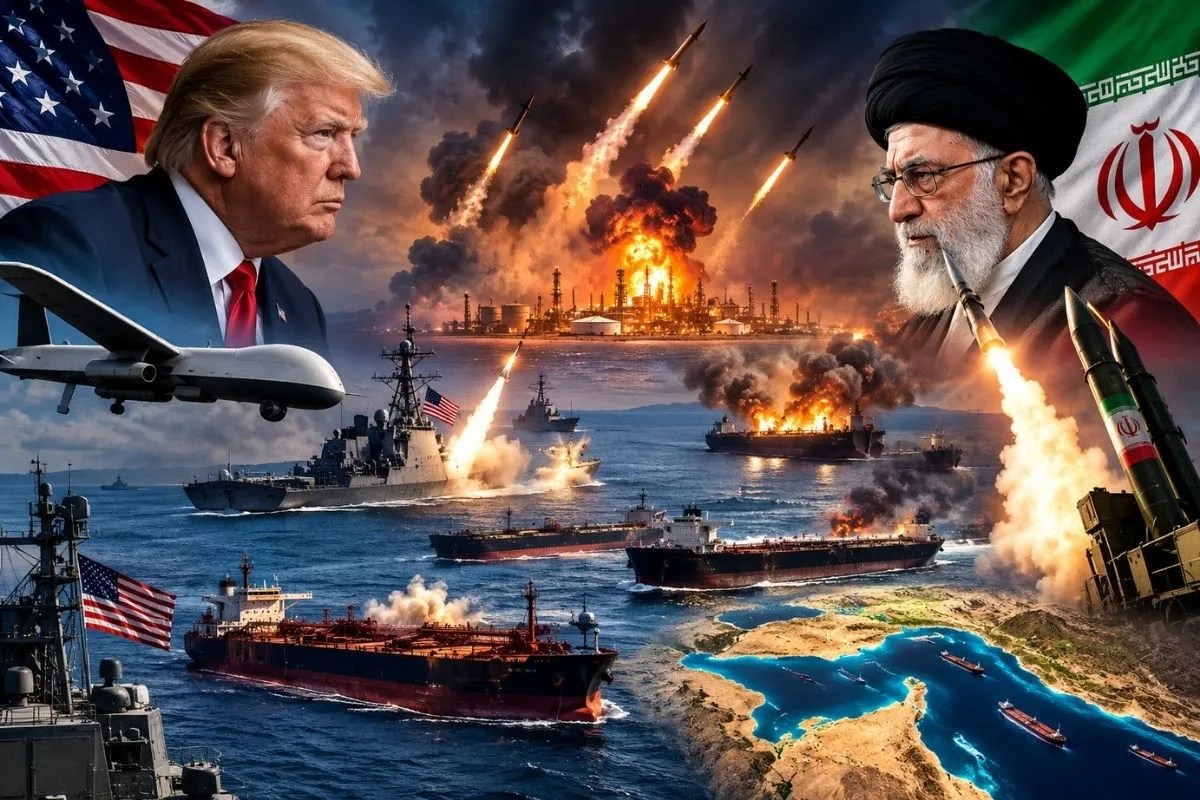
The sea does not care about treaties. It does not care about the stroke of a pen in a sterile conference room in Geneva, nor does it care about the frantic red-phone calls pinging between Washington and Tehran. The water simply rises and falls, salt-bitten and indifferent, squeezing through a throat of blue so narrow that you can watch the tankers crawl from shore to shore like beetles across a sidewalk.
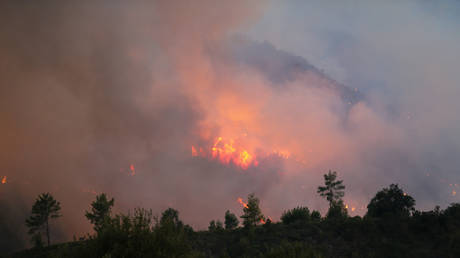
That throat is the Strait of Hormuz. Recently making waves recently: The Sky Above Antalya Turned the Color of a Bruise And Then the Evacuations Began.
Right now, that throat is bruised.
Meet Tariq. He is a fictional dockworker, but his calloused hands belong to ten thousand real men who wake up before dawn in the ports of Bandar Abbas and Fujairah. Tariq does not think in geopolitical strategy. He thinks in diesel fumes, the roar of massive cranes, and the steady rhythm of steel cables shifting massive cargo. When he looks out at the Persian Gulf, he does not see a body of water. He sees a lifeline. Or, lately, a noose. Further information into this topic are detailed by The Washington Post.
For weeks, the air has tasted differently. It is not just the heavy, humid heat of the Gulf, thick enough to chew. It is the invisible static of impending violence. Missiles do not fall out of a clear sky without warning; they cast long shadows before they strike. And those shadows have stretched across the water, touching every single home from the narrow alleys of Muscat to the gleaming high-rises of Dubai.
To understand why a flashpoint thousands of miles away can make the price of a loaf of bread spike in a quiet European village, you have to look at a map. You have to squint at a tiny, critical pinch point where roughly a fifth of the world's petroleum supply squeezes through a channel barely twenty-one miles wide at its narrowest point.
Imagine a single-lane bridge over a deep canyon, and imagine that bridge is the only way out of a burning city. Now imagine that the people guarding the bridge are currently pointing loaded rifles at each other.
That is the Strait of Hormuz today.
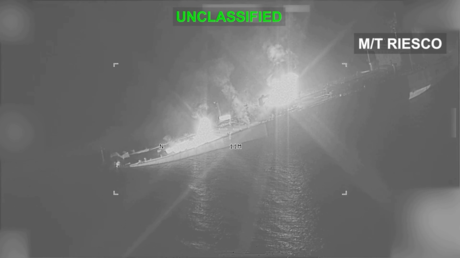
When the drums of war beat between America and Iran, the first casualty is never a soldier. It is certainty. The moment the first retaliatory strike echoes across the Persian Gulf, marine insurance rates skyrocket into the stratosphere. Captains of massive supertankers—vessels longer than football fields, carrying millions of barrels of crude—receive urgent encrypted messages from their corporate offices. Turn around. Drop anchor. Wait.
And so, the lifeblood of the global economy clots.
History has a cruel way of repeating its worst choreography. We have seen this dance before. We saw it in the tanker wars of the 1980s, when rust and shrapnel tore through the hulls of ships carrying the world’s energy. We saw it in the creeping escalation of sanctions, proxies, and shadow wars that turned the Middle East into a tinderbox waiting for a stray match. But today, the technology of destruction has outpaced our capacity for restraint. Hypersonic rhetoric is matched by precision-guided hardware.
Consider what happens when a single missile arcs over the Persian Gulf. It is not just an explosion of steel and fire. It is a shockwave that travels outward in concentric circles.
Circle one is the immediate vicinity: the sailors on watch, the fishermen whose wooden dhows are dwarfed by naval destroyers, the families in coastal towns who hear the terrifying sonic boom tear the night sky apart.
Circle two is the regional market: ports shutting down, flights rerouted thousands of miles out of their way to avoid hostile airspace, desalination plants—upon which millions depend for drinking water—holding their breath against potential contamination or sabotage.
Circle three is global: the frantic scramble at gas pumps in Ohio, the sudden manufacturing slowdown in Seoul, the quiet panic on trading floors in London as investors dump risk and flee to safety.
We live in an age of fragile efficiency. We have optimized our world down to the exact second, cutting out buffers and redundancies to maximize profit. But efficiency is the sworn enemy of resilience. When a system is stretched to its absolute limit, it doesn't bend when a crisis hits. It shatters.
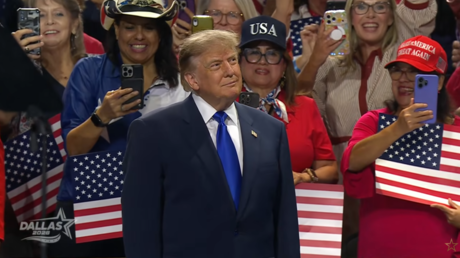
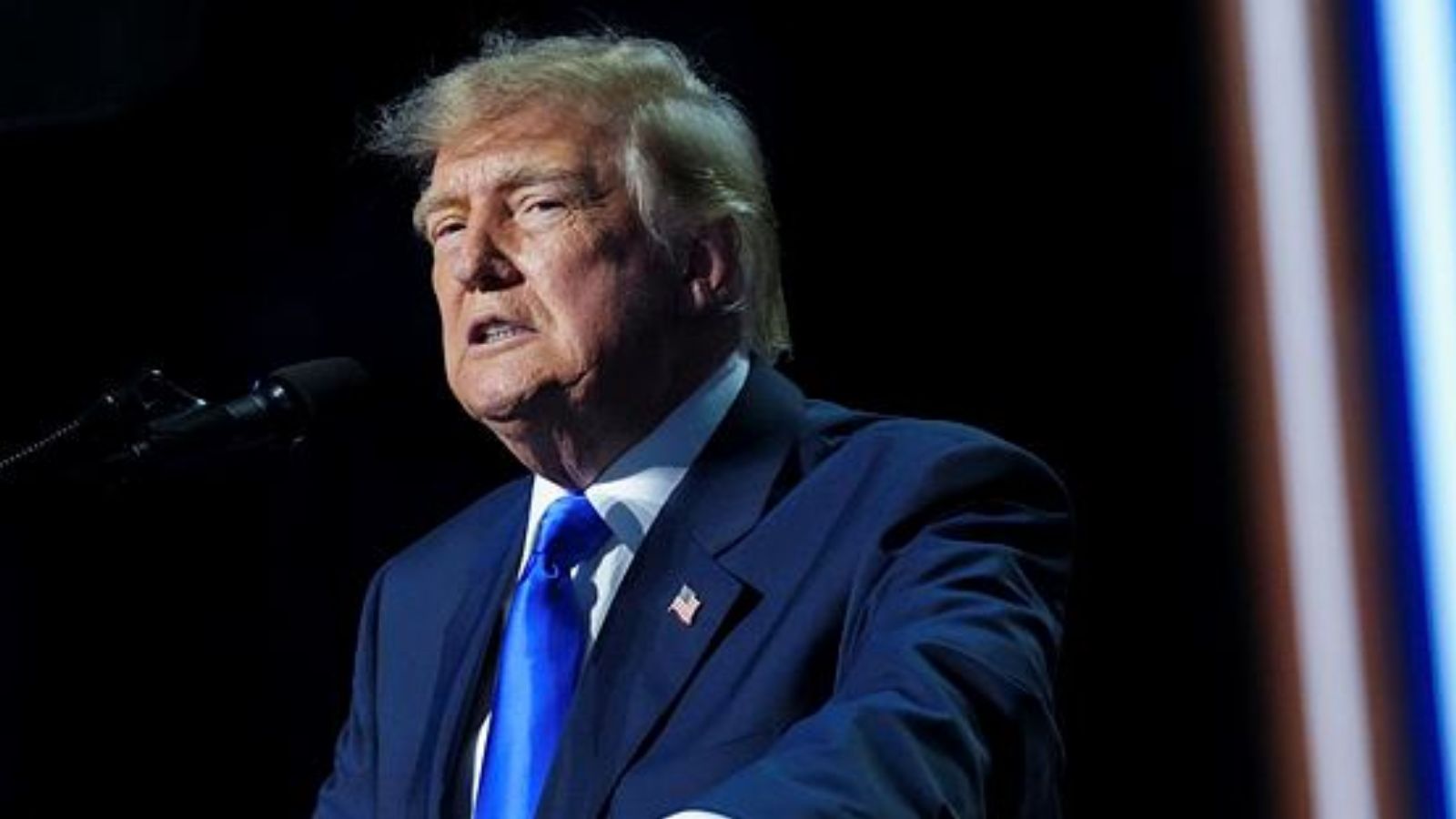
The confrontation between Washington and Tehran is often framed as a clash of ideologies, a high-stakes poker game played by men in tailored suits and generals weighed down by medals. But ideologies do not bleed. Men like Tariq bleed. Families in Tehran staring at inflation rates that devour their life savings bleed. American sailors staring out at a dark horizon, wondering if the radar blip on their screens is a routine fishing boat or an incoming anti-ship missile, bleed.
There is a profound, terrifying vulnerability in our modern reliance on these narrow maritime chokepoints. We have built an interconnected global civilization, yet we have left its most vital arteries completely exposed to the whims of geopolitical rage.
The missiles raining down from the sky over the Gulf are not just weapons. They are questions hurled into the dark, demanding an answer that neither side is prepared to give. Can deterrence hold? Can two adversaries locked in a bitter historical grudge step back from the precipice before the water runs red?
The sun sets over the Persian Gulf, painting the oil-slicked waves in brilliant shades of copper and violet. It looks peaceful from a satellite view. Serene. Beautiful.
Down on the water, Tariq cuts the engine of his skiff, listening to the gentle lapping of the tide against the hull, and waits for the next siren to split the silence.