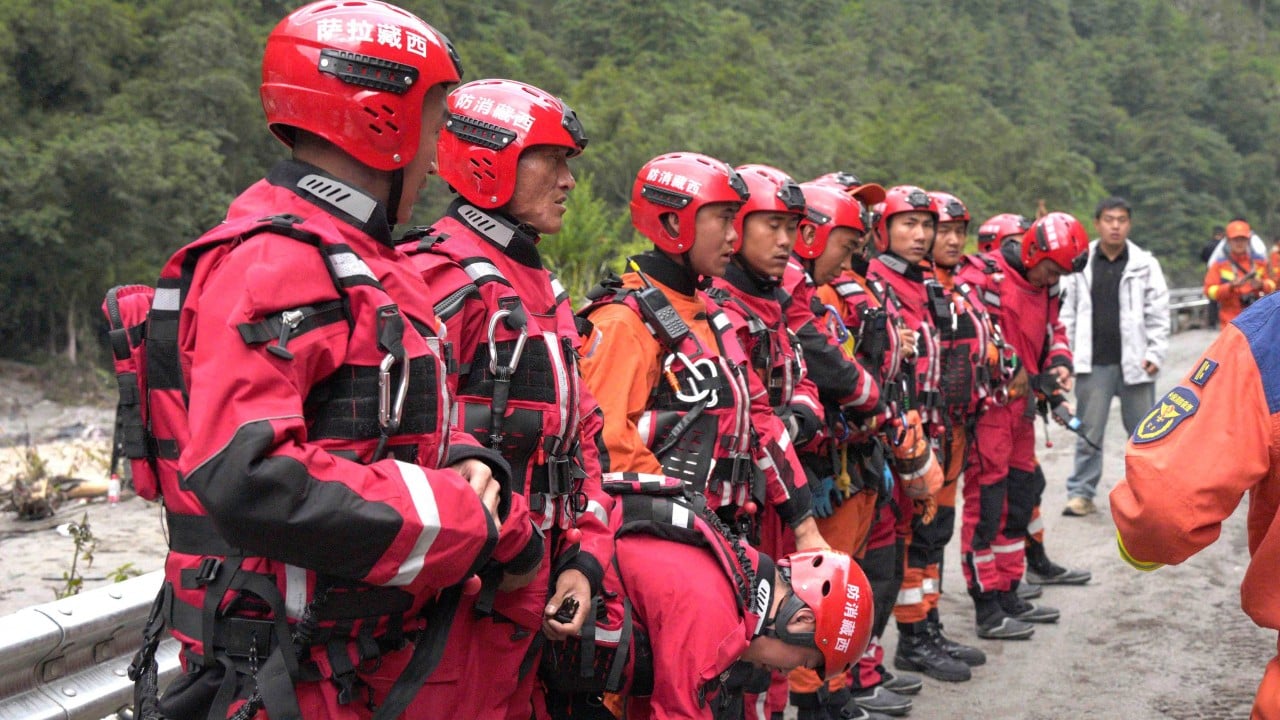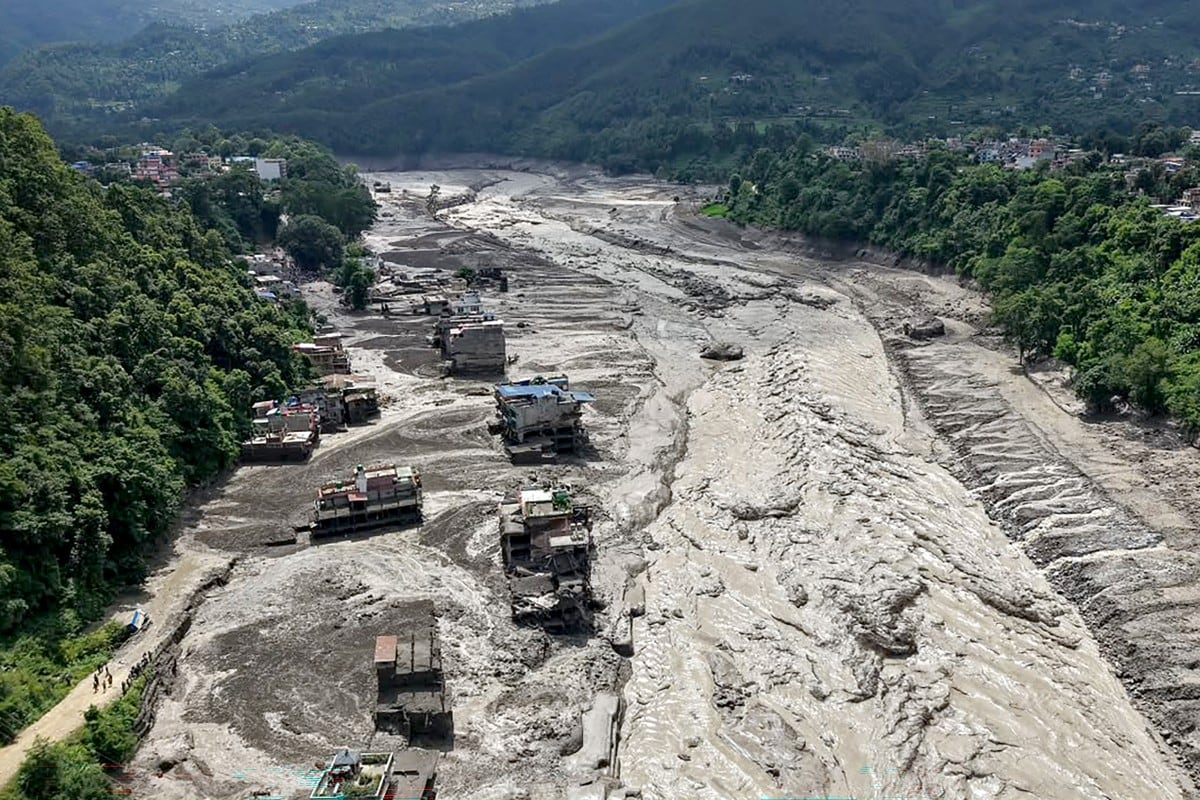
The death toll from the catastrophic flash floods sweeping through central Nepal has climbed past 540, marking one of the worst natural disasters the country has faced in recent years. Entire settlements along the Bhotekoshi and Trishuli river corridors have been heavily impacted, leaving hundreds still missing and international rescue teams racing against time.
If you are tracking the crisis, trying to reach loved ones, or wondering how regional infrastructure collapsed so quickly, here is the breakdown of what actually happened on the ground.
What Triggered the Catastrophe
Initial reports blamed local weather patterns, but geological assessments point to a far more volatile cause. According to the US Geological Survey, a sudden glacial collapse triggered massive debris flows and seismic activity near the Nepal-Tibet border. A natural barrier lake formed after debris choked the river channels, and when it failed, a wall of icy water and mud slammed downstream into Rasuwa, Dhading, Nuwakot, and surrounding districts.
Infrastructure took a direct hit. Roads, bridges, and major hydropower installations—including the Trishuli-I project—were battered by the surge. Thousands of security personnel have been deployed for search and rescue, but volatile terrain and continuous mudslides are making access nearly impossible in remote pockets.
International Rescues and the Status of Stranded Citizens
Foreign tourists caught in the torrent have added an international dimension to the rescue efforts. The Nepal Tourism Board confirmed that over 120 foreign nationals have been pulled to safety, including 85 Indian tourists, alongside citizens from South Korea, China, and other nations.
India's Ministry of External Affairs has been coordinating closely with local authorities. While dozens of trapped Indian nationals working on regional infrastructure projects or traveling through the area have been evacuated safely—with some already flying back to New Delhi—hundreds of others remain uncontactable. Officials note that roughly 400 Indian citizens on the Chinese side of the border are safe, but evacuation logistics remain complicated. India has also dispatched initial batches of humanitarian assistance and disaster relief supplies, containing essential medicines and emergency gear.
The Looming Threat of Secondary Floods
The danger hasn't passed. Authorities have issued urgent high-alert warnings following reports of rising water levels and fresh breaches in barrier lakes across the border in Tibet. China issued a Level-IV emergency alert after millions of cubic metres of water accumulated behind newly formed debris blockages.
If these natural dams give way completely, a secondary wave of water could surge down the river basins, threatening rescue workers and vulnerable riverside communities who are already dealing with total devastation.
If you need emergency assistance or are trying to locate missing family members, utilize the official helpline numbers set up by the Indian Embassy in Kathmandu or local emergency services immediately. Stay clear of unstable riverbanks in the affected zones as secondary alerts remain active.