Thousands fly to the Himalayas every year seeking inner peace, meditation retreats, and ancient wisdom. They book boutique eco-lodges in river valleys, hire local guides through glossy international wellness apps, and chase an idealized image of detachment from modern corporate stress. Then climate change shifts the monsoon patterns, rivers swell beyond historical boundaries, and an unexpected natural disaster traps unprepared travelers miles from any functional rescue infrastructure.
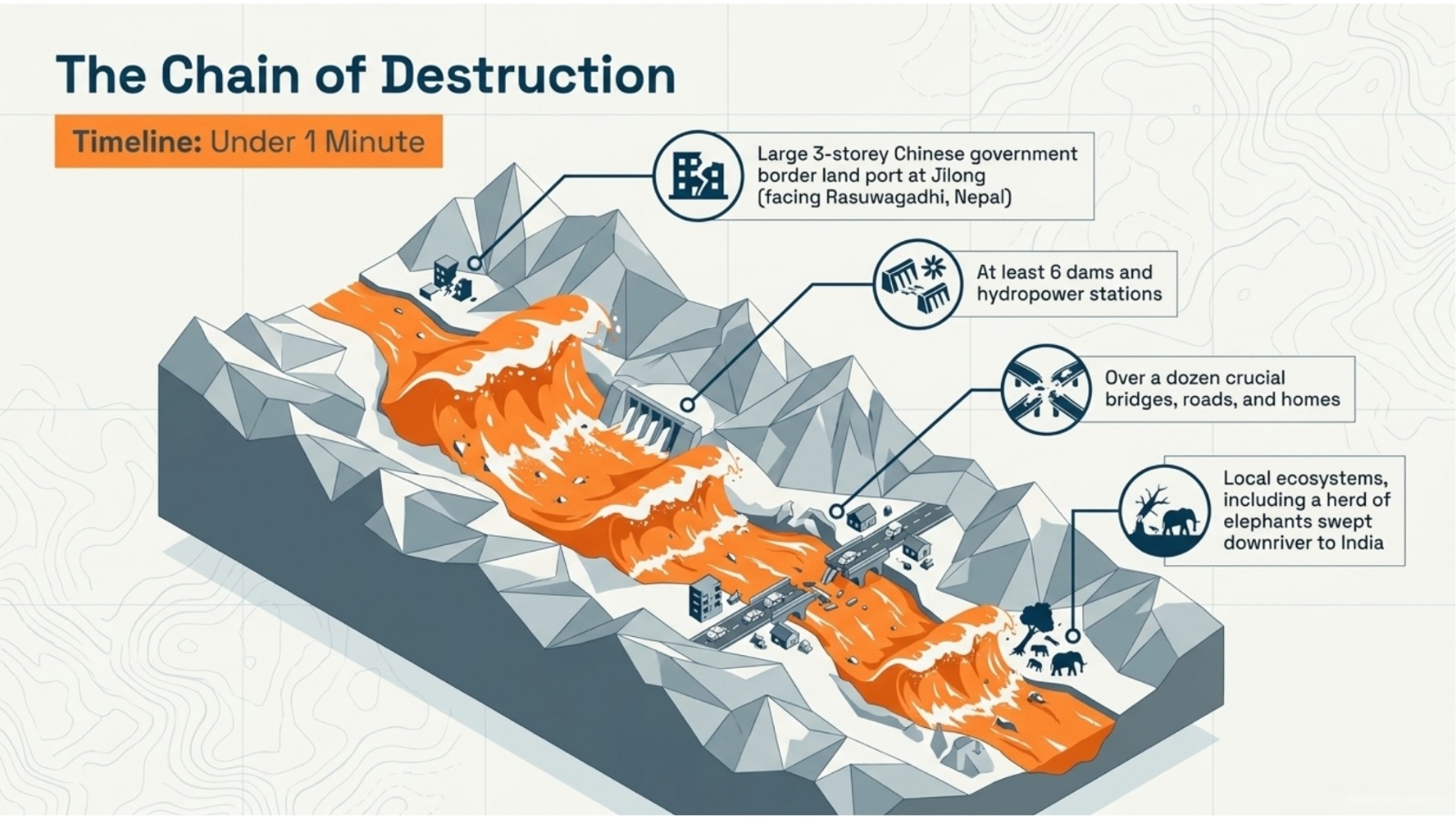
When unprecedented cloudbursts trigger catastrophic flash floods and landslides across Nepal, the romanticized illusion of the Himalayan spiritual journey shatters instantly against the hard, unyielding mechanics of climate vulnerability and emergency mismanagement. Building on this theme, you can also read: The Architecture of Ecological Stewardship: Analyzing the Tetiaroa Conservation Model.
The Western wellness industry sells a sanitized version of South Asia. Brochures portray rural valleys as timeless, eternal sanctuaries untouched by industrial realities. This marketing completely ignores infrastructure vulnerabilities. Rivers that carve through popular trekking regions like Annapurna and Langtang are subject to sudden glacial lake outburst floods and severe monsoonal swelling.
Tourists arrive expecting pristine isolation. That exact isolation becomes their primary hazard when communications fail, bridges wash out, and rescue helicopters cannot pierce the thick, storm-driven cloud cover. Experts at The Points Guy have also weighed in on this matter.
Local operators often face an impossible economic bind. Tourism represents a massive portion of the national economy. Telling travelers to stay home during peak monsoon months means financial ruin for family-run guesthouses, porters, and transport unions. Consequently, risk is routinely downplayed. Operators assure anxious clients that standard afternoon rains are normal, failing to emphasize that precipitation intensity has spiked dramatically over the past decade due to shifting global weather systems.
The Infrastructure Illusion
Modern travelers rely heavily on smartphones, offline maps, and the comforting belief that global satellite networks can summon help anywhere on Earth. In the deep river gorges of Nepal, that belief is a dangerous fiction. Steep topography blocks signals. Local cellular towers are often the first pieces of infrastructure destroyed by sliding mud and raging water currents.
Consider a hypothetical scenario played out across multiple valleys recently. A group of yoga practitioners is staying at a riverside lodge three days away from the nearest paved road. Heavy rains begin on a Tuesday evening. By Wednesday morning, the suspension bridge connecting their trail to the main exit route is gone, sheared away by a wall of muddy timber and boulders.
Their travel insurance provider, reached via a satellite messenger device, promises evacuation. Yet local aviation authorities ground all domestic flights and rescue choppers due to zero visibility and extreme wind shear. The luxury retreat transforms overnight into a survival situation governed entirely by geography, local knowledge, and basic provisions.
Insurance companies frequently market global rescue packages as a universal safety net. The fine print tells a different story. Many policies exclude high-altitude natural disasters or refuse to cover regions officially categorized as restricted or hazardous during peak monsoon windows. Travelers buy these policies assuming they purchase absolute security, only to discover during a crisis that bureaucratic loopholes leave them entirely on their own.
The Human Cost Behind the Retreat
Foreign tourists frequently fail to reckon with the disproportionate burden placed on local guides and porters during extreme weather events. While a visitor's primary loss might be a canceled flight or a ruined vacation, Nepalese workers face the destruction of their homes, their primary source of annual income, and their immediate physical safety.
Porters are often pressured by clients or low-cost agencies to push through dangerous weather conditions to keep itineraries on schedule. The power dynamic between a wealthy foreign traveler paying thousands of dollars for a spiritual awakening and a local worker trying to feed his family creates severe safety compromises. When a flood hits, the local population absorbs the brunt of the catastrophe. They are the ones digging through mudslides, securing displaced families, and bearing the psychological trauma of lost infrastructure.
The romantic gaze of the spiritual seeker often objectifies the local population, viewing them as wise sages or cheerful helpers rather than vulnerable human beings facing escalating climate threats. This dynamic prevents honest conversations about travel ethics during a period of ecological breakdown.
Rethinking Himalayan Travel Safety
If tourism in Nepal is to survive the ongoing climate crisis, the entire industry must undergo a radical operational overhaul. Ignoring environmental realities to protect marketing narratives is no longer viable.
Mandatory Risk Transparency
Agencies must provide clients with realistic assessments of seasonal hazards. Hiding the dangers of monsoon travel to secure bookings exposes tourists to lethal risks and overwhelms local rescue services that possess limited resources.
Infrastructure Hardening
Guesthouses and lodges along popular trekking routes need strict building codes enforced by regional authorities. Constructing permanent structures on active floodplains or directly adjacent to volatile riverbanks must be prohibited.
Direct Support Networks
Travelers must ensure that a significant portion of their expenditures goes directly into community-managed safety funds rather than relying solely on foreign-owned booking platforms that siphon profits away from the valleys they exploit.
The mountains do not care about personal transformations, yoga lineages, or bucket-list goals. They operate according to geological and meteorological laws that demand profound respect and meticulous preparation. Until the wellness tourism sector aligns its marketing with the harsh realities of environmental collapse, more journeys seeking peace will end in the muddy chaos of preventable tragedy.