When a massive wall of water, ice, and mud tore down Himalayan river valleys last week, it didn't just sweep away homes and bridges. It wiped out roughly ten percent of Nepal's entire electricity generation capacity in a matter of hours.
For years, Kathmandu has marketed itself as the clean-energy battery of South Asia. Backed by heavyweights like India's Adani Group, NHPC, and GMR, the plan was simple: dam the country's roaring rivers, power domestic industries, and ship excess green energy straight into India's coal-heavy grid.
That grand ambition just ran straight into a very harsh reality.
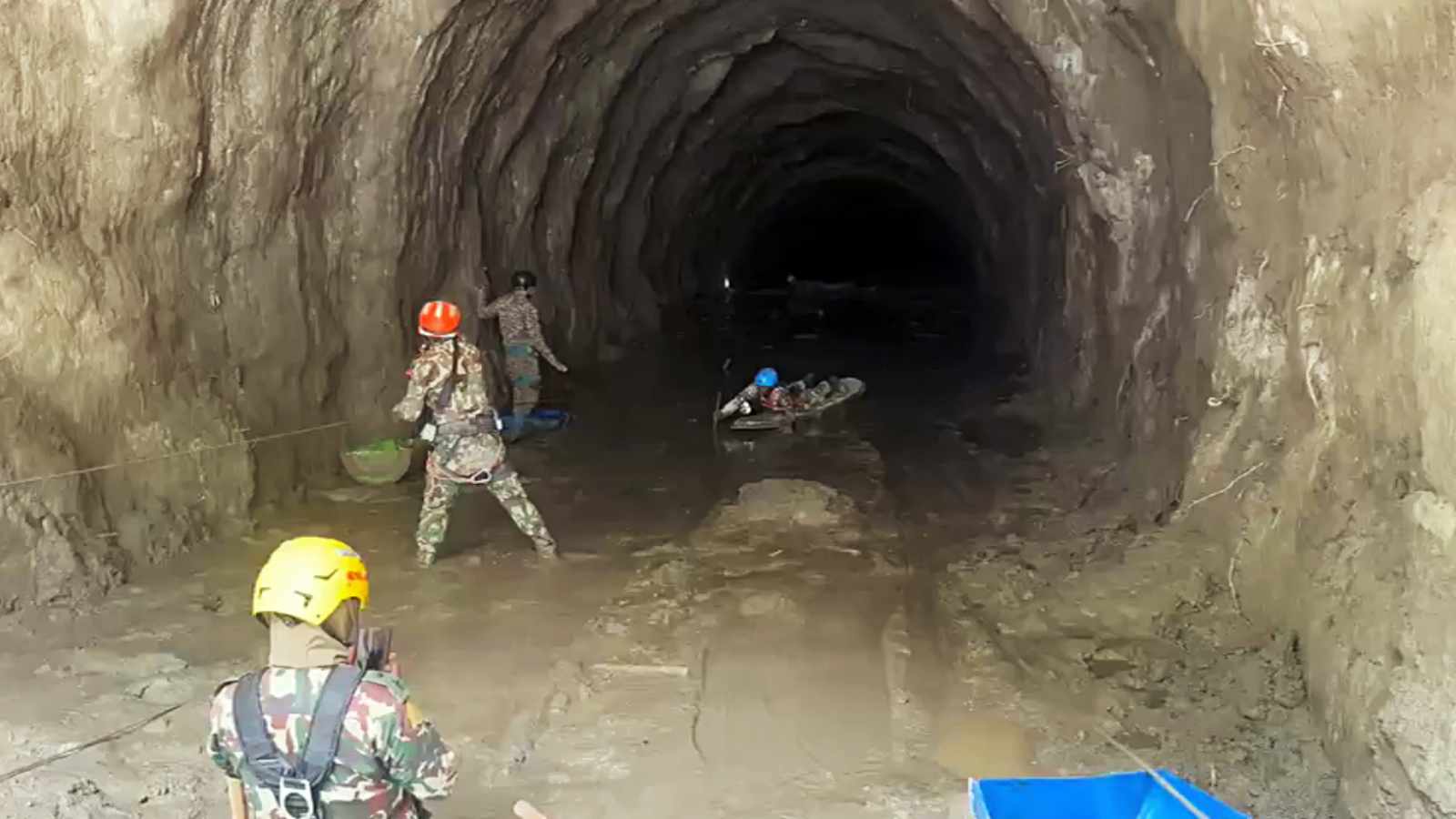
Catastrophic flash floods—triggered by glacier instability along the border with China—ravaged Bagmati province, hitting eleven different hydropower projects currently operating or under construction. Nearly 900 people linked to these vulnerable plant sites went missing as torrents flooded massive access tunnels.
Instead of exporting power to regional neighbors, Nepal has been forced to slam the brakes on exports and buy electricity from India just to keep its own lights on.
The Flawed Bet on Vulnerable River Valleys
You can't talk about Nepal's energy strategy without looking at the geography. The country is basically vertical. Its steep river corridors offer incredible kinetic potential, making run-of-river hydropower the obvious choice for a nation lacking fossil fuel reserves.
Yet those exact same riverbeds are high-risk hazard zones.
As global temperatures rise, the Hindu Kush Himalayan region is losing ice at an alarming rate. Glaciers are thinning, snowlines are retreating, and permafrost is degrading. This environmental unraveling creates unstable slopes and massive glacial lakes prone to sudden, catastrophic outbursts.
Critics have pointed out that planners have spent decades ignoring the warning signs. According to Anjal Prakash, an author with the Intergovernmental Panel on Climate Change, the mountains have been sending warnings for years. Builders kept pouring concrete anyway.
Historical hydrology is completely broken. Energy investors typically look at decades of past water flow data to calculate structural risk. But in a warming world, past data tells you almost nothing about tomorrow's weather. When a disaster sends over 50 million cubic meters of extra water surging down a valley—carrying boulders and debris that completely overwhelm physical defenses—standard risk models become useless.
The Export Crunch and Regional Fallout
The crisis extends far beyond a local humanitarian tragedy. It exposes a major structural flaw in South Asia's transition away from fossil fuels.
India's grid desperately needs clean energy imports to meet surging demand without scaling up domestic coal burning. Nepal's export revenue had been climbing fast, growing by an average of 75 percent over the past decade and accounting for nearly a tenth of the nation's total export earnings.
Now, recovery will take a very long time. Energy ministry officials note that comprehensive post-disaster assessments are only just beginning. Major transport links—including dozens of kilometers of highways and critical bridges—were obliterated, making it brutally difficult to move heavy machinery into remote gorges to clear blocked tunnels and wrecked turbines.
Some experts argue Nepal had no realistic alternative. With limited wind and solar potential and zero domestic coal or gas, rushing water was basically their only ticket to economic development. But building massive, centralized infrastructure in fragile, shifting mountain terrain creates a dangerous "force multiplier" when things go wrong. Large dams and project sites can trap debris, alter natural channels, and worsen the devastation downstream.
Where Do We Go From Here?
Rebuilding cannot mean simply putting things back exactly where they were.
If Nepal wants to salvage its renewable energy ambitions, planners have to completely overhaul how infrastructure is designed in high-altitude environments. That means moving away from fragile river corridors where possible, investing heavily in early-warning systems that give workers actual time to escape underground tunnels, and diversifying the national grid with decentralized solar options.
Otherwise, the very projects meant to secure Nepal's financial future will remain sitting ducks in the path of a changing climate.