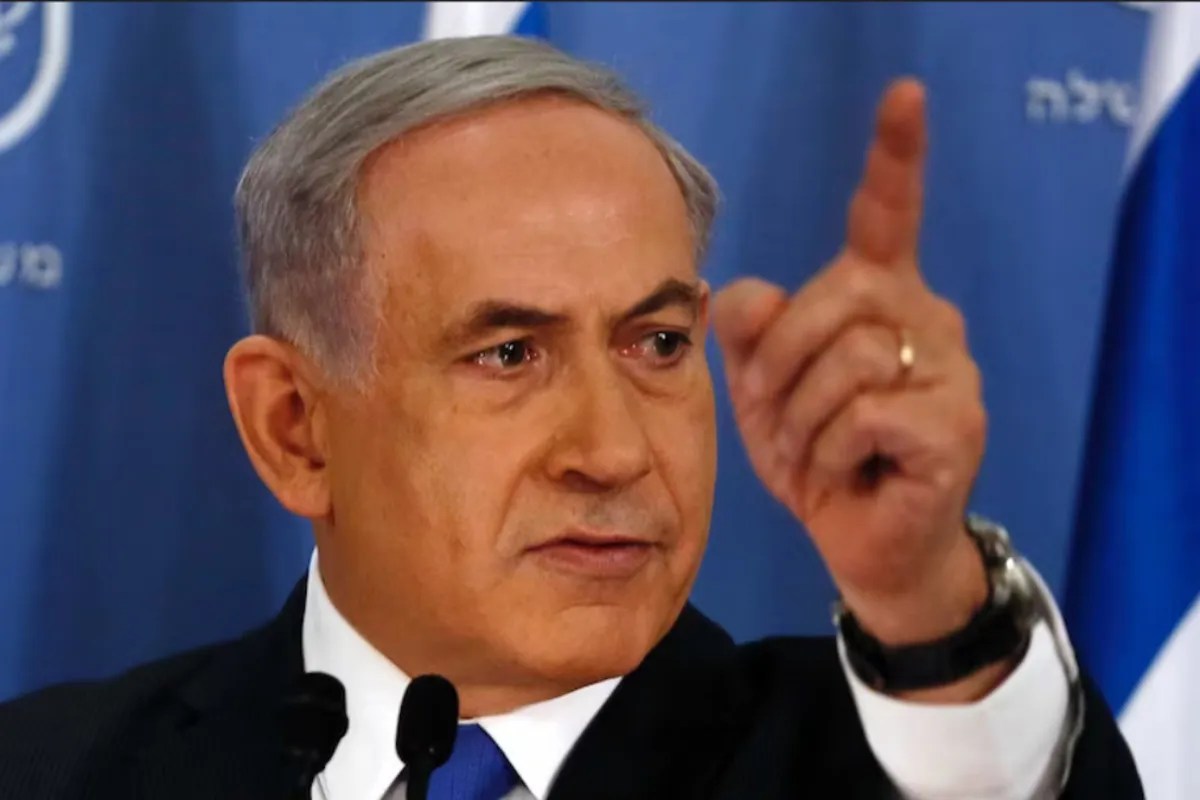
Benjamin Netanyahu faces a political landscape that grows more fractured by the week, yet his core message remains unyielding. The Israeli Prime Minister recently reiterated a fundamental doctrine of his administration. Donald Trump is a trusted friend, but national survival dictates independent action.
This stance cuts through the diplomatic noise of Washington and Jerusalem. It underscores a strategic reality that transcends personal political alliances. When existential security is on the line, external partnerships take a backseat to unilateral defense imperatives.
To understand why this friction matters now, we have to look past the campaign handshakes and public praise. We need to examine the mechanics of military autonomy, the shifting sands of American political support, and the historical precedents that govern how Israel approaches its enemies.
The Illusion of Absolute Alliance
Diplomacy thrives on public theater. Leaders exchange warm pleasantries, praise shared values, and project a unified front to the international community. Beneath that veneer, interests diverge.
Israel operates under a doctrine formulated decades ago. No foreign power can dictate the parameters of its survival. While American military aid and intelligence-sharing remain critical pillars of the state's security apparatus, total reliance is viewed internally as an unacceptable vulnerability.
When Netanyahu emphasizes that Israel will do what is necessary for its own defense, he is not merely signaling resolve to his domestic base. He is drawing a perimeter around Israeli sovereignty. Past administrations in Washington have frequently urged restraint during moments of high regional tension. More often than not, those pleas have collided directly with the operational timelines dictated by Israel's military leadership.
The Washington Calculus
American presidents view the Middle East through a wide-angle lens. Global stability, domestic inflation, energy prices, and great power competition with nations like China and Russia dictate the rhythm of White House decision-making.
Jerusalem views the map through a microscope. A few miles of contested territory, a newly dug cross-border tunnel, or the procurement of enriched uranium by a hostile neighbor represent immediate, non-negotiable threats.
This asymmetry creates permanent structural tension. A leader in Washington can afford to prioritize long-term diplomatic processes or strategic patience. A leader in Jerusalem operating under the immediate shadow of rocket fire or proxy warfare does not have the luxury of time.
The Trump Factor and Strategic Ambiguity
The return of Donald Trump to the American political conversation introduces a unique set of variables. During his presidency, Trump delivered historic victories for Netanyahu's government, including the relocation of the U.S. embassy to Jerusalem and the brokering of the Abraham Accords.
Yet, the relationship is transactional, defined by strong personalities rather than institutional predictability. Trump values strength, decisiveness, and self-reliance. Paradoxically, Netanyahu's declaration that Israel will act independently aligns precisely with the foreign policy instincts of the former U.S. president.
Trump has long expressed skepticism regarding foreign entanglements and endless overseas commitments. By signaling that Israel does not expect American boots on the ground and is prepared to shoulder the full operational burden of its security, Netanyahu speaks a language Washington understands.
The Limits of Friendship
Friendship in geopolitics has an expiration date when vital national interests clash. Consider the historical precedents of friction between allied states. Even during the height of the Cold War, intelligence sharing and military coordination did not prevent unilateral strikes when one nation perceived an imminent threat that the other sought to delay or contain.
Netanyahu's public framing acknowledges this friction openly. By stating that friendship with Trump does not equate to a blank check of operational subordination, he manages expectations on both sides of the Atlantic.
- Intelligence independence: Israel maintains its own deep cover networks across the region, minimizing surprise.
- Doctrinal autonomy: The Begin Doctrine remains active, ensuring preventative strikes against hostile nuclear programs regardless of international pressure.
- Domestic political shielding: Standing up to foreign pressure plays well among voters who view vulnerability as a fatal flaw.
The Cost of Autonomy
Acting alone carries a heavy price tag. Modern warfare is extraordinarily expensive, consuming advanced munitions, intelligence assets, and financial capital at an unprecedented rate.
Israel's economy, while technologically advanced and resilient, absorbs significant shockwaves during prolonged conflicts. Defense spending crowds out other domestic investments. International isolation grows whenever military operations result in heavy civilian casualties or widespread infrastructure destruction in neighboring territories.
Critics argue that unyielding unilateralism risks turning strategic victories into long-term diplomatic defeats. Isolating traditional allies over tactical decisions can lead to diplomatic backlash at the United Nations, arms embargoes from secondary partners, and a erosion of the moral legitimacy required to sustain prolonged campaigns.
Yet, from the perspective of the security establishment in Tel Aviv, those are manageable secondary risks. The primary risk is national extinction. In that calculus, a bruised diplomatic standing is infinitely preferable to a successful existential strike by a determined adversary.
The Domestic Imperative
Netanyahu's political survival is inextricably linked to his image as the ultimate guarantor of national security. Every speech emphasizing independence and resolve serves a dual purpose. It deters external enemies while shoring up a fragile domestic coalition.
The Israeli public remains deeply scarred by historical security failures. Trust in diplomatic guardrails was severely tested by decades of shifting regional dynamics. When the Prime Minister tells the public that Israel stands alone if necessary, he taps into a deep cultural ethos of self-reliance forged in the aftermath of the Holocaust and subsequent wars of survival.
This posture leaves little room for compromise. Domestic political opponents may argue over economic policy or judicial reform, but on the core question of military self-determination, the consensus remains solid.
Navigating the Next Phase
As regional proxy networks evolve and advanced missile technology spreads across borders, the margin for error shrinks. Warning times are measured in minutes, not hours.
In this hyper-compressed operational environment, waiting for international consensus is a luxury no Israeli government can afford. Netanyahu's message is a clear warning to friend and foe alike. Alliances are valuable, but the final responsibility for survival rests entirely within the borders of the state.
The conversation between Washington and Jerusalem will continue to navigate this delicate balance of mutual dependency and fierce independence. As long as the regional threat matrix remains volatile, that friction will define the modern Middle East.