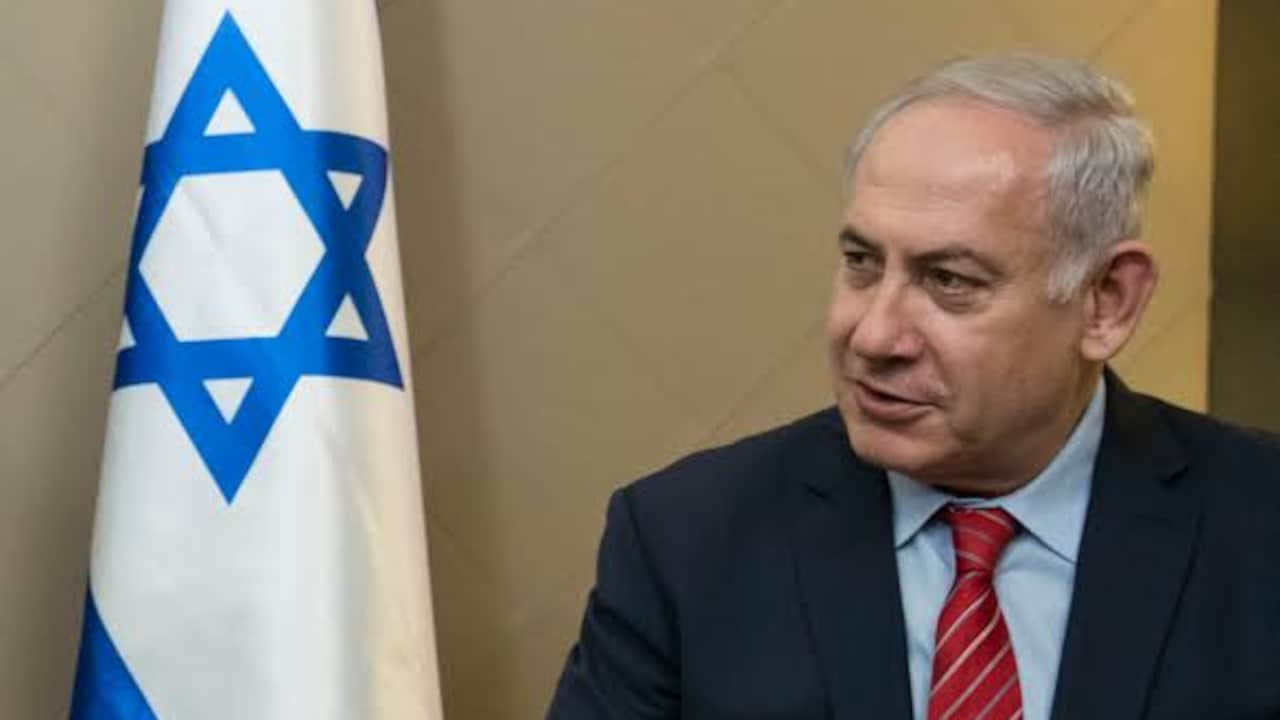
When street protests turn into clashes and curfews, outside politicians love to hand out diagnoses from thousands of miles away. That's basically what happened after the mid-October 2026 unrest in France, when Israeli Prime Minister Benjamin Netanyahu claimed France was dealing with an "invasion of extremist Islam".
A sharp soundbite? Sure. An accurate read of what actually hit French streets? Not even close.
The October 17 and 18 demonstrations started around economic strain—high living costs, fuel prices, purchasing power, and public services—drawing students, working people, and Yellow Vest activists before violent flashpoints broke out in spots. Labeling the whole episode an Islamist invasion flattens a messy domestic crisis into a single ideological story.
Why Netanyahu Blamed France Protests on Extremism
Netanyahu didn't stop at calling the unrest an invasion of extremist Islam. Speaking around October 20 and 21, 2026, he claimed he had warned French President Emmanuel Macron after October 7 that failing to wipe out Hamas in Gaza would bring similar violence to Paris, adding that he told French leaders to "fight back" rather than pursue "appeasement".
Look closely at what that framing does. It links domestic French street unrest directly to Hamas and regional Middle East conflict. Yet reporting on the October 17 mobilization shows demonstrators were largely rallying over affordability, student pressures, and day-to-day economic frustration—even as some protesters waved Palestinian flags and riots erupted afterward.
I've watched foreign leaders do this across plenty of crises. When a country has a rough weekend of riots, external actors reach for whatever narrative fits their own domestic politics or diplomatic disputes. Netanyahu had already drawn pushback from London in August 2026 after calling Britain an "Islamic republic," a pattern of blunt rhetoric aimed at European capitals.
Still, dismissing Netanyahu's words entirely misses why they resonated with certain audiences. Security anxieties in France are real. People remember past attacks, suburb-versus-center tensions, and nights when police lines looked stretched thin. When a leader says authorities were caught off guard, critics inside France often nod along even if they reject the broader "invasion" label.
What Actually Happened on the Streets of France
The unrest wasn't a neat script. It was a mix of mass grievances, opportunistic violence, and security missteps.
French authorities themselves pointed to operational failures rather than a foreign takeover. Interior Minister Laurent Nunez acknowledged mistakes and apologized for shortcomings, while the government moved toward deploying troops alongside police and overhauling crowd-control tactics after criticism that city centers were left exposed. Reports also noted intelligence gaps, overly static police positioning, and the error of not canceling planned officer leave ahead of the weekend.
Economic anger sits underneath a lot of French protest waves. When everyday expenses bite—rent, groceries, transit, fuel—students and struggling households turn out in big numbers. Once crowds swell and tempers flare, a smaller subset of agitators or rioters can hijack the optics completely.
How Fake Clips Distorted the Unrest
One of the biggest traps during fast-moving protests is believing whatever lands in your feed first. Fact-checking coverage from Le Monde highlighted a surge of misleading material around the October 17 protests, noting that the fact-checking service Vera handled 9,500 inquiries between October 1 and October 19, with nearly half—49 percent—focused on verifying violence linked to the unrest.
False claims spread fast: fabricated stories about Jewish-owned shops being targeted or weapons found on demonstrators, alongside recycled clips from Belgium and Georgia and even AI-generated images. Once fake footage goes viral, people argue about scenes that never happened in Paris or Lyon.
Macron's Pushback and the Diplomatic Clash
French leaders didn't take the criticism quietly. Macron rejected claims that France had been "invaded by hordes of migrants and Islamists" as "totally false," calling out foreign leaders who pushed misleading narratives around the unrest and blasting such remarks as "unacceptable and stupid".
From Paris's perspective, foreign commentary isn't just annoying—it inflames tensions at home. France has a large Muslim population, deep debates over secularism and integration, and rising political heat ahead of next year's presidential election. Treating every street clash as proof of an Islamist invasion lumps ordinary citizens and peaceful protesters together with violent offenders.
At the same time, Macron faces a tough balancing act. If the French government sounds too defensive, opponents accuse officials of downplaying public safety. If authorities lean hard into security crackdowns and troop deployments, civil liberties debates flare up immediately.
What Smart Readers Should Do Next
Honestly, you don't need to pick a side in a shouting match between capitals to understand what's going on. You just need better habits when headlines spike.
- Check the date and location of clips before sharing. Look for landmark storefronts, uniform patches, weather, and independent local reporting rather than viral reposts with dramatic captions.
- Separate peaceful marchers from rioters. Big protests over cost of living or labor conditions routinely include thousands of ordinary people alongside a fraction of troublemakers.
- Watch official accountability alongside political rhetoric. Pay attention to concrete administrative steps—like troop deployments, curfew rules, or policing reviews—rather than slogans from politicians scoring points abroad.
- Read across multiple newsrooms. Compare coverage from French outlets, international wire services, and regional papers so you catch both the street-level facts and the diplomatic spin.
Loud claims travel fastest when emotions run high, yet the real story in France sits in policing choices, economic pressure, and verified facts on the ground.
Netanyahu blames French unrest on invasion of extremist Islam
This video directly covers Netanyahu's remarks blaming France's unrest on extremist Islam following the October protests.