For years, the political survival of Benjamin Netanyahu has hinged on a single narrative: that the intelligence failure of October 7, 2023, was an institutional blind spot, a collective miscalculation shared equally by the entire Israeli defense establishment. But a explosive investigative report published by Haaretz, drawn from the book Hostages: 843 Days of Abandonment, threatens to tear that defense apart.
According to sources cited in the investigation, United Arab Emirates President Mohamed bin Zayed Al Nahyan (MBZ) placed a direct, 45-minute phone call to Netanyahu roughly ten days before the massacre. The message was explicit: Hamas leader Yahya Sinwar was planning a massive, terrifying operation that risked regional instability and threatened the hard-won Abraham Accords.
Netanyahu’s office has aggressively pushed back, calling the report an "absolute lie" and flatly denying that any such conversation took place during that window. Even so, the fallout has been immediate and fierce. Opposition leaders have seized on the disclosure as proof that the prime minister ignored explicit foreign warnings, failed to brief his own security chiefs, and tried to shield himself from accountability.
Inside the Direct Warning from Abu Dhabi
The details leaking out of the new investigative book paint a jarring picture of complacency at the top. The intelligence chain didn't just bubble up from local informants; it allegedly traveled from Sinwar himself through a Palestinian intermediary, reached regional intelligence networks, and landed squarely on the desk of the Emirati leadership.
Convinced that Israel wasn't grasping the gravity of the incoming threat, MBZ bypassed standard diplomatic channels. Using a secure phone line previously established for high-level coordination, the UAE president warned Netanyahu that something unprecedented was brewing in Gaza.
How did the long-serving Israeli leader respond? According to sources familiar with the exchange, Netanyahu reacted with surprising calm. He allegedly brushed off the specific threat regarding Gaza, argued that Hamas was primarily interested in maintaining local governance, and redirected the conversation toward rising tensions in the West Bank.
Crucially, Netanyahu chose not to pass this specific warning along to his top defense officials. Neither the head of the Shin Bet nor the Chief of Staff was brought into the loop regarding the Emirati leader's direct phone call. If true, this single omission short-circuited Israel's defensive architecture before the attacks claimed over 1,200 lives and plunged the Middle East into years of relentless warfare.
The Political Firestorm and the Defense Pushback
The timing of these revelations couldn't be more volatile. Israel faces a high-stakes general election, and Netanyahu's political opponents are using the report to argue he is entirely unfit to stay in office.
Former prime minister Naftali Bennett didn't mince words, publicly stating that Netanyahu bears direct, personal responsibility for the disaster. Gadi Eisenkot, a former military chief who has emerged as a formidable political rival, accused Netanyahu of hiding behind pathetic excuses and attempting to rewrite history to escape accountability.
Meanwhile, Netanyahu’s loyalists and his official spokesman maintain that the entire narrative is a politically motivated fabrication. They point out that anonymous sourcing often colors investigative journalism during campaign cycles. They argue that tying a foreign leader's alleged phone call to the operational failures of military intelligence is an unfair attempt to pin complex systemic breakdowns onto one man.
Yet, this report doesn't exist in a vacuum. Egyptian intelligence chief Abbas Kamel had also reportedly warned Netanyahu around the same timeframe about an unusual, large-scale operation being cooked up by Hamas. Layering multiple foreign warnings on top of internal signals creates a damaging pattern that Netanyahu's defense team will struggle to dismantle.
Why This Matters Moving Forward
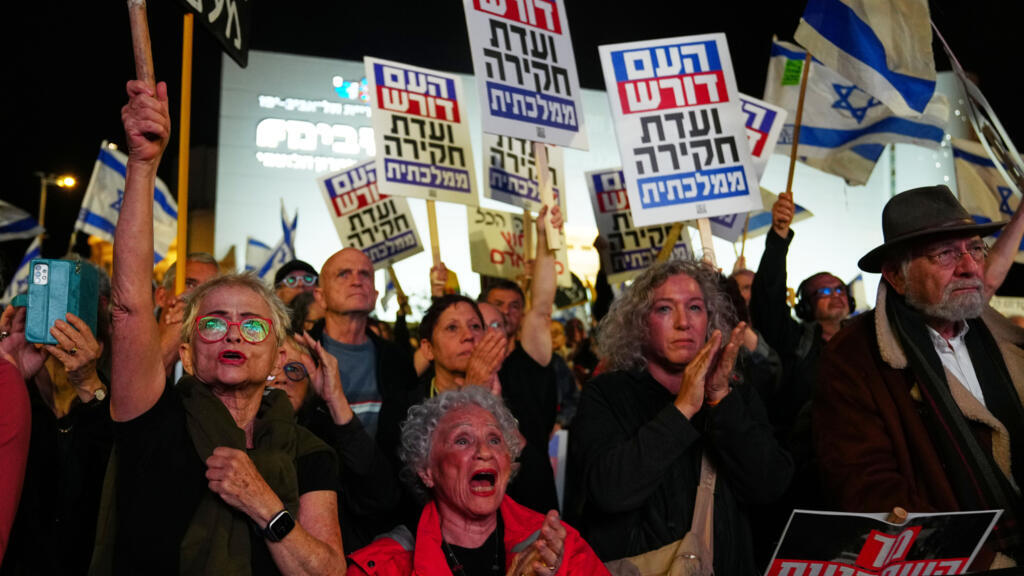
Public trust in governance and military leadership in Israel remains severely fractured in the wake of October 7. Calls for an independent state commission of inquiry have grown louder with every new book release, leak, and investigative deep dive.
If the allegations hold up under scrutiny, they dismantle the primary shield Netanyahu has used for years: the claim that nobody warned him. An explicit caution from the head of an influential Arab state, backed by separate Egyptian intelligence alerts, completely alters the baseline of what the prime minister knew and when he knew it.
As the election approaches, voters are forced to weigh these staggering allegations against Netanyahu's decades-long security credentials. Whether this report triggers a permanent political reckoning or gets absorbed into the endless polarization of modern Israeli politics depends entirely on how much concrete documentation comes to light next. The truth behind that 45-minute phone call is destined to dictate the political legacy of a leader who has defined an era.