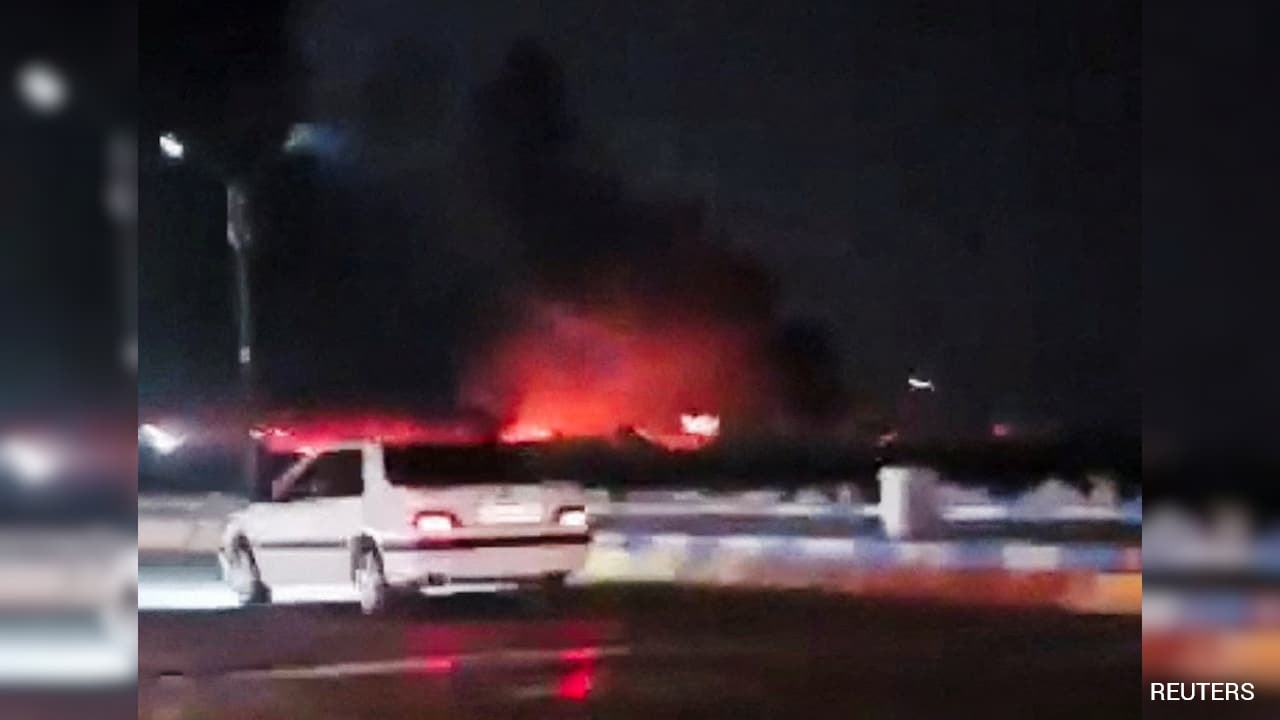
The fragile peace in the Middle East didn't just crack this week; it completely shattered. When U.S. Central Command sent precision-guided munitions tearing into Iranian territory, hitting over 80 military targets, it didn't just mark another bad day for diplomacy. It signaled the violent death of the short-lived Islamabad Memorandum of Understanding signed just weeks ago in June.
If you've been tracking this conflict since it erupted back in February—following the dramatic assassination of Ayatollah Ali Khamenei—you know the routine. Tit-for-tat strikes, tense standoffs, and a scramble by global oil markets. But this escalation is entirely different. Washington just raised the stakes by hitting an offensive volume that officials claim is up to eight times larger than anything we saw in late June.
The real driver behind this massive military flex isn't just about blowing up radar sites. It is a desperate, violent dispute over who gets to tax and control the world’s most important energy chokepoint.
The Battle for the Strait of Hormuz Goes Hot
You can't understand these latest strikes without looking at what happened over a single 24-hour period in the waters off Oman. The United States and its regional allies thought they had bypassed Iranian extortion. Oman had proposed a temporary transit corridor along its coastline, allowing international shipping to dodge the heavy fees and tolls Tehran has been trying to enforce in the Strait of Hormuz.
Iran made its position clear: pay our toll, or watch your ships burn.
Three commercial tankers tried to use the Omani route under U.S. Navy support. Within hours, they were hit by unidentified projectiles and drones. The Marshall Islands-flagged M/T Al Rekayyat—a massive liquefied natural gas tanker owned by Qatar—caught fire in its engine room. Two other vessels, the Saudi Arabia-flagged M/T Wedyan and the Liberian-flagged M/T Cyprus Prosperity, were damaged.
Qatar didn't mince words. Doha immediately summoned Iran’s deputy ambassador, holding Tehran legally and financially responsible for what it called a grave violation of international law. Iran’s state broadcaster basically admitted the motive, noting that the Qatari vessel was targeted because it ignored repeated Iranian warnings and tried to slip through the Omani route without clearing it with Tehran.
Washington’s response was swift, brutal, and aimed directly at Iran’s maritime muscle.
Dismantling the IRGC Small Boat Navy
When CENTCOM forces launched their retaliatory wave, they didn't just hit missile silos. They went after the exact tools Iran uses to terrorize commercial shipping. According to military statements, the operation hammered:
- More than 60 Islamic Revolutionary Guard Corps (IRGC) fast-attack small boats.
- Coastal radar installations and surveillance networks in Bandar Abbas and Sirik.
- Air defense systems and surface-to-air missile batteries.
- Anti-ship cruise missile launchers and drone infrastructure.
Local reports out of Iran confirm massive explosions rocked Qeshm Island, while fires broke out at the Shahid Haqqani Port in Bandar Abbas and the commercial pier at Sirik. Shrapnel rained down on port infrastructure, injuring civilians and lighting fishing boats ablaze.
This wasn't a warning shot. It was a systematic attempt to strip the IRGC of its coastal vision and its ability to launch swarming tactics against global trade.
The Economic Hammer Falling on Tehran
If the bombs didn't hurt enough, the economic retaliation will. Simultaneously with the airstrikes, the Trump administration completely revoked the general license that allowed Iran to sell its crude oil on the international market.
This license was the crown jewel of the June ceasefire. It allowed a cash-strapped Iranian regime to openly export oil and receive payments in U.S. dollars until August 21. By pulling the plug a month early and giving buyers until July 17 to wind down operations, Washington has effectively cut off Tehran's economic lifeline.
Predictably, Brent crude prices jumped more than three percent within hours of the announcement. Global markets hate instability, and right now, the entire energy supply chain looks incredibly vulnerable.
Tehran’s political elite are furious. Iranian Foreign Ministry spokesperson Abbas Araghchi and Deputy Foreign Minister Kazem Gharibabadi both lashed out, calling the revocation of the oil waivers a direct breach of the Islamabad agreement. But the U.S. stance is uncompromising: the deal was performance-based. If Iran won't guarantee freedom of navigation, it doesn't get to sell oil.
What This Means for Global Security
Let's cut through the diplomatic jargon. We are now in uncharted territory. For 37 years, Ayatollah Khamenei held the reins of power in Iran. His death in February opened a vacuum, and the current leadership is desperate to project strength to both its domestic audience and its regional proxies. Massive funeral processions for Khamenei just filled the streets of Qom and Tehran, with crowds demanding absolute revenge against the West.
The Iranian regime cannot afford to look weak right now. Sirens have already been blaring in Bahrain, home to the U.S. Navy’s Fifth Fleet, as local authorities warn residents to seek shelter from potential retaliatory missile strikes.
If you are operating businesses reliant on international shipping, or simply trying to manage investments in an unstable global economy, the next few weeks are critical. The illusion of a diplomatic settlement between Washington and Tehran is gone.
Your immediate next step shouldn't be panic; it should be risk management. If you have supply chains running through the Persian Gulf, it's time to trigger your contingency plans, look at alternative routing, and hedge against sustained higher energy costs. This conflict isn't winding down—it's resetting at a much higher, much more dangerous baseline.


