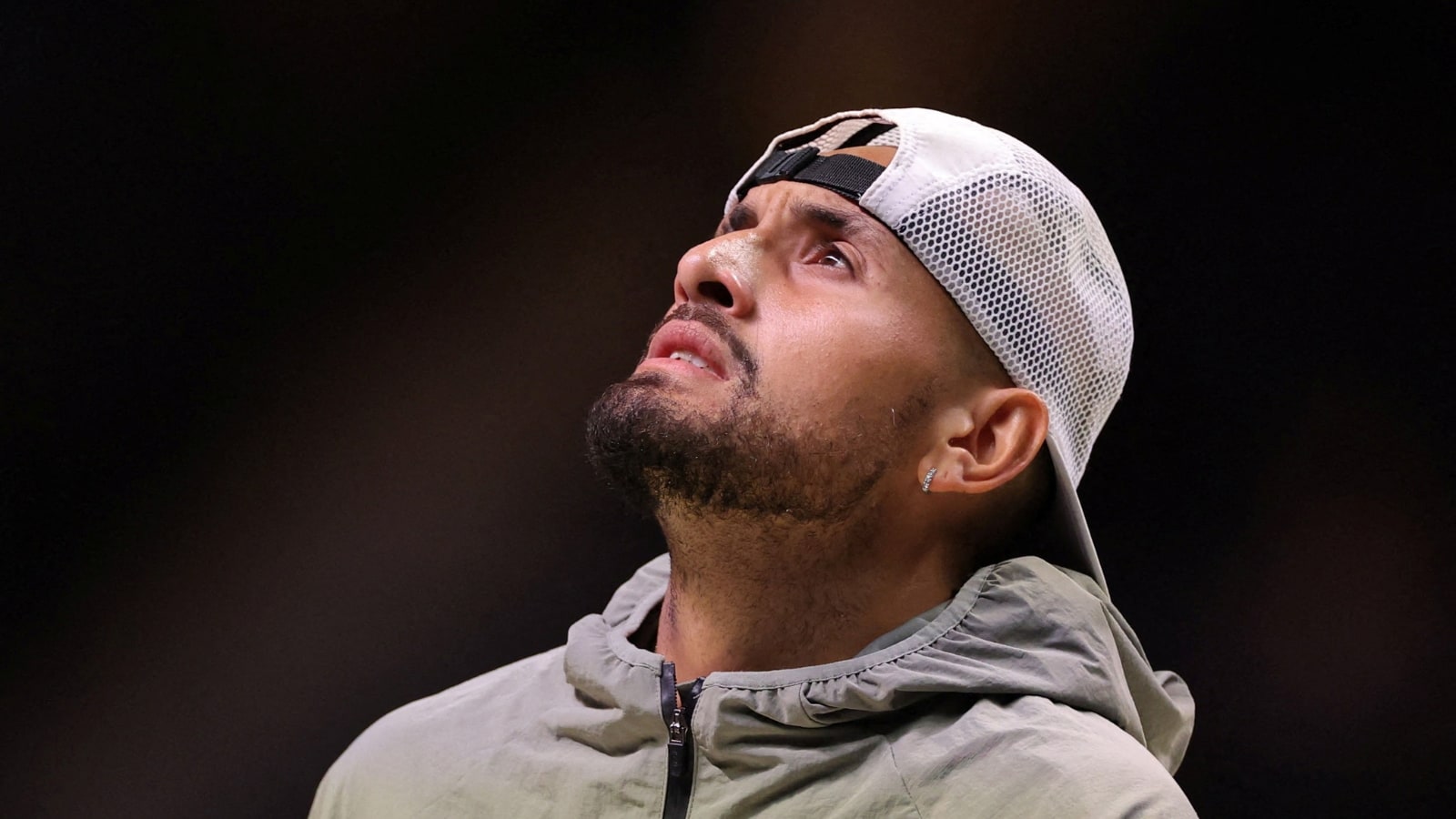
The moral panic machine is whirring again. Nick Kyrgios tested positive for benzoylecgonine, a metabolite of cocaine, at an ATP 250 event in Mallorca. The International Tennis Integrity Agency dropped the hammer with a provisional suspension, and the tennis establishment is clutching its pearls. Headlines scream about ruined role models, broken trust, and the tragic fall of a Wimbledon finalist.
Save the theatrics.
The lazy consensus across sports media treats this as a profound character failure, a shocking descent into chemical depravity by an already volatile athlete. That perspective is entirely wrong. It misreads what cocaine actually is, misunderstands how anti-doping programs classify substances of abuse, and completely ignores the brutal reality of an aging athlete staring down a forced retirement.
The Performance-Enhancement Delusion
Let us clear up the basic pharmacology first because the sports media refuses to do it. Under the World Anti-Doping Agency framework, cocaine is categorized as a "substance of abuse." That designation is critical. It explicitly means the substance is frequently consumed outside of sport in social settings, rather than engineered in a lab to shave milliseconds off a sprint time or add two miles per hour to a first serve.
Nobody takes cocaine to improve a backhand. As a performance-enhancing drug, it is an absolute disaster. It spikes your heart rate, wrecks your cardiovascular efficiency, destroys stamina, and turns fine motor control into a guessing game. If a tennis player wants to win a three-set grind in the Balearic heat, lines of a recreational stimulant are the absolute last thing they need.
When Dan Evans tested positive for cocaine back in 2017, or when various other athletes across global sports run afoul of the exact same rule, the reaction follows a predictable script. Commentators act as if the athlete were synthesizing designer steroids in a basement. It is a party drug used by stressed, isolated humans seeking an escape from psychological pressure. Treating it as a calculated doping violation is a category error designed to generate righteous clicks.
The Anatomy of an Athlete Breaking Down
Look at what actually happened to Kyrgios before pointing fingers. He is 31 years old. His body has been shredded by chronic knee and wrist injuries. He has played a microscopic fraction of matches over the last few seasons. For a decade, his entire identity was anchored to being an elite professional tennis player—a vocation he famously claimed he did not even choose.
When the body breaks down and the exit door looms, the psychological vacuum is terrifying. Imagine a scenario where your entire livelihood, social circle, and public worth vanish because cartilage and tendons give out. For an athlete like Kyrgios, who has always processed internal chaos publicly, the mental toll of feeling helpless and obsolete is an invisible injury far worse than a torn meniscus.
The ITIA rulebook dictates a mandatory provisional suspension for these findings, and under updated guidelines, out-of-competition use or substances of abuse can lead to significantly reduced penalties, especially with rehabilitation cooperation. Kyrgios will serve his time, take his medicine, and likely return. Yet the pearl-clutchers want a permanent moral exile.
Why the Outrage Machine Loves This
The real scandal isn't that an injured tennis player used a recreational substance in Spain. The real scandal is the sports industry's insistence on treating athletes as pristine, angelic automatons rather than deeply flawed human beings dealing with the wreckage of professional sports careers.
We love the bad boy narrative right up until the bad boy actually behaves like a struggling, stressed human being. Then we demand public penance, weeping apologies, and immediate moral rehabilitation. Kyrgios didn't commit a match-fixing offense. He didn't alter the integrity of a tournament outcome. He made a reckless, self-destructive personal choice during a period of profound professional grief.
Stop pretending this is about the sanctity of the sport. It's about a tired system feigning shock that athletes subjected to immense public scrutiny occasionally crack under the weight of it.