The wind in the borderlands does not whisper; it cuts. It sweeps down from jagged peaks that have watched empires rise and shatter, carrying the bitter chill of high altitudes and the heavier weight of an uneasy peace. In these remote valleys, the boundary between safety and catastrophe is not marked by fences or walls, but by the nervous heartbeat of shepherds, the watchful eyes of outpost guards, and the suffocating realization that the dark is rarely empty.
Dawn came differently on this particular morning. Before the sun had even managed to scrape the frost from the limestone ridges, the silence of the rugged terrain fractured.
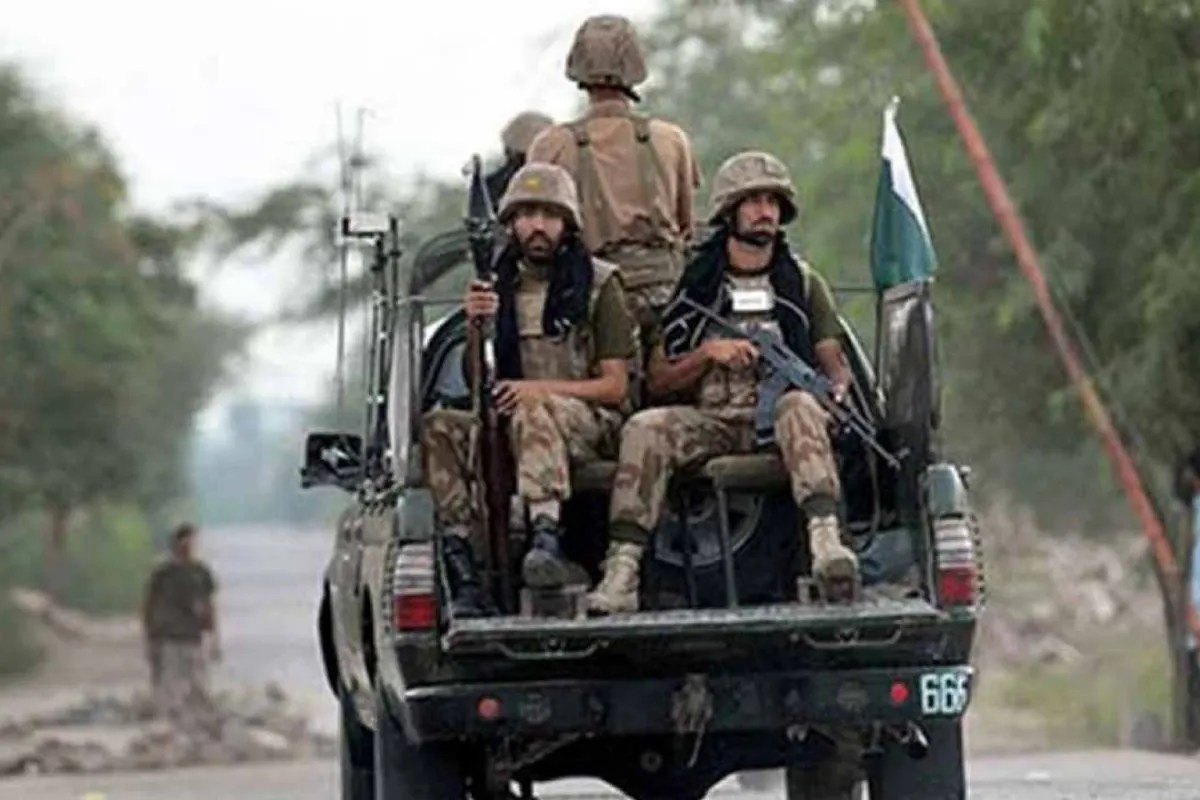
Heavy boots hit frozen shale. The sharp, metallic clatter of steel-plated gear echoed against canyon walls. The Pakistan Army’s elite units were moving, not on a routine patrol, but with the grim, calculated precision of a scalpel entering a festering wound.
To understand what happened next requires stepping away from sterile military bulletins and stepping into the raw, sensory reality of a predawn raid.
Imagine standing in a cramped stone safehouse tucked deep inside a desolate ravine. Outside, the air burns your lungs at ten thousand feet. Inside, the air is thick with the sour stench of stale tobacco, unwashed wool, and fear. Men who consider themselves untouchable are huddled around a low-burning kerosene heater. They carry weapons that represent chaos, funded by shadows, fueled by ideological venom. For months, this pocket of jagged earth served as an invisible staging ground—a sanctuary where blueprints for bloodshed were drawn in the dim flicker of a dying flame.
They thought the mountains protected them. They were wrong.
Without warning, the wooden door blew inward in a deafening concussion of splintered oak and white-hot flashbangs.
Action in close quarters is not a Hollywood dance. It is violent, chaotic, and deafening. It is the blinding strobe of tactical lights slicing through billowing smoke. It is the concussive slam of kinetic rounds against concrete and stone. In a matter of frantic, breathless minutes, the firefight erupted and concluded. When the acrid haze of cordite finally began to drift out through the shattered windows, the arithmetic of the operation became stark and irreversible.
Eight militants lay dead. Their sanctuary had been stripped of its illusions.
Yet, numbers on a page rarely capture the true human cost of such geography. Statistics are clean. War is messy, loud, and haunting.
When intelligence agencies piece together the puzzle of modern militant networks, they look at satellite imagery, intercepted radio frequencies, and movement logs. But on the ground, the reality is far more visceral. The cell neutralized in this operation was not an isolated knot of desperate men; it was a tentacle of a much larger, insidious organism that feeds on instability. Every safehouse destroyed represents dozens of civilian lives saved from future blasts in crowded bazaars, schools, and city streets hundreds of miles away from these freezing peaks.
Consider what happens next. The operation ends, but the echoes remain.
For the villagers living in the foothills below, the distant rattle of gunfire is a familiar, terrifying metronome. They do not care about geopolitical strategies or tactical doctrines. They care about whether their children can walk to school without fear. They care about whether the mountains will ever stop breeding ghosts. When the military sweeps through and dismantles a stronghold, the immediate reaction is a collective, trembling exhale. Relief, yes—but a fragile relief, born from the knowledge that another hideout will likely sprout elsewhere in the vast, ungovernable expanses of the frontier.
This is the eternal paradox of counterterrorism in high-risk zones. Eradicating a threat at the source requires immense bravery from the soldiers who kick down doors in the dead of night, knowing every shadow could conceal a tripwire. But it also requires an unyielding, generational commitment to deny these extremists the oxygen of local sympathy, financial backing, and ideological refuge.
As the sun finally cleared the eastern ridge, casting long, sharp shadows across the blood-stained stones of the ruined compound, the soldiers packed their gear and moved out into the wind. The mountains swallowed their footsteps, returning the landscape to its ancient, chilling quiet.
The threat is diminished, but the horizon remains vast and unforgiving.
Somewhere out there in the freezing dark, another wind is rising, carrying the whispers of an unbroken conflict. And down in the valley, the world waits to see who will wake up first.