The phone on the nightstand did not ring; it shrieked.
At 2:14 AM, the digital push notifications sent across Bahrain carried a message stripped of all diplomatic polite phrasing. The government instructed every citizen and resident to move immediately to shelter. Above the high-rise towers of Manama and across the quiet coastal villages, emergency sirens cut through the heavy midnight humidity.
Iran had launched a direct strike against targets in Bahrain.
In seconds, the quiet rhythm of an ordinary weeknight dissolved into frantic preparation. Parents rushed to grab sleeping children from their beds. Elevator shafts echoed with the hasty footsteps of families descending toward underground parking garages. Cars lined up at fuel stations under the pale flicker of fluorescent lights.
The Midnight Corridor
When regional conflicts spill across borders, abstract geopolitical friction transforms into immediate personal reality. For years, analysts spoke in measured tones about proxy power, naval deterrence, and strategic choke points across the Persian Gulf. But when long-range munitions travel across open waters, those technical terms mean nothing to a family huddled in a hallway away from exterior glass.
Bahrain, an island nation sitting at a critical intersection of global commerce and regional defense, has long balanced on a delicate tightrope. The sound of air defense systems engaging targets overhead served as a sudden, visceral reminder of how fragile that balance remains.
Consider the mechanics of such an alert. Emergency authorities do not broadcast mass evacuation orders lightly. Doing so risks immediate economic paralysis and widespread public alarm. When the notification arrives on millions of screens simultaneously, it signals that radar tracking has crossed a definitive line from potential threat to imminent impact.
Shadows Across the Gulf
To understand the weight of this escalation, one must look at the geography of the Gulf itself. The distance across the water is short. Flight times for ballistic missiles or low-flying drones leave defense batteries with windows measured in minutes, sometimes seconds.
The immediate domestic reaction across Bahrain followed a precise, practiced pattern:
- Civil defense networks activated underground shelters and designated emergency quarters across all governorates.
- Security forces deployed to secure critical infrastructure, communications hubs, and energy facilities.
- Public health networks placed regional hospitals on high alert, preparing trauma wards for potential civilian casualties.
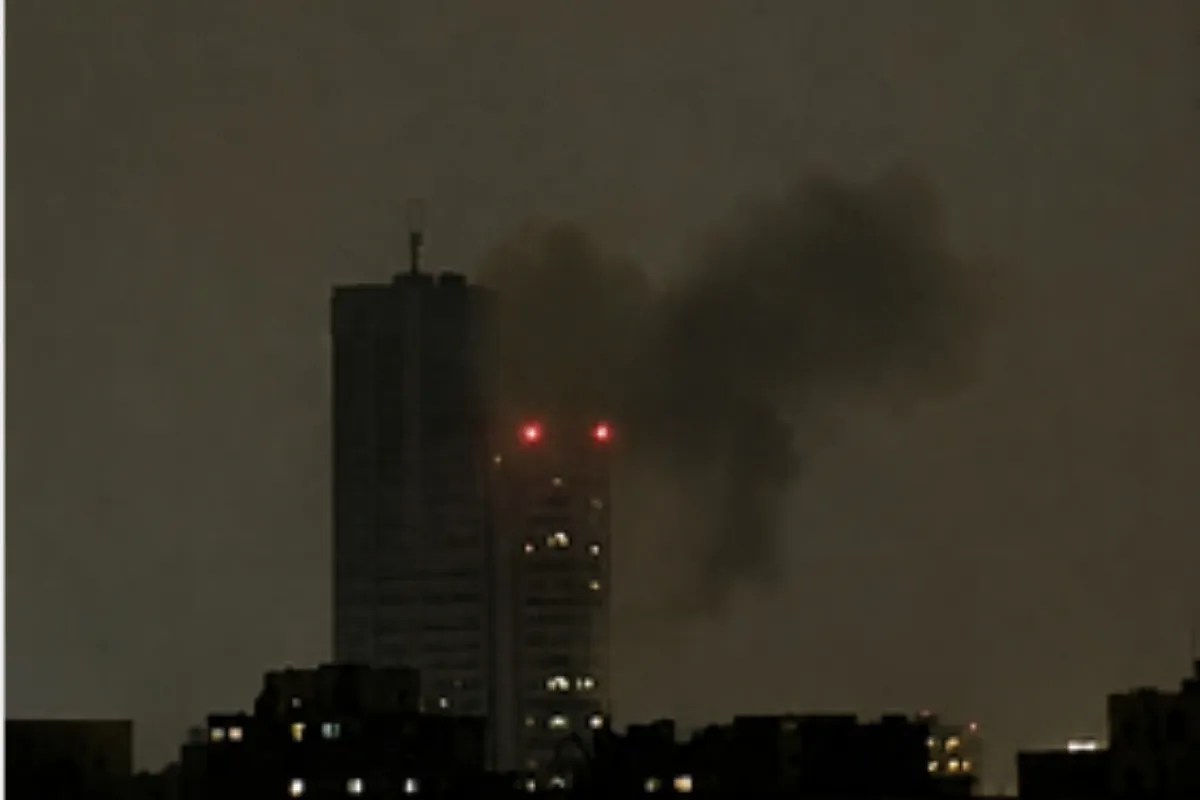
The physical damage from night strikes can often be repaired within weeks. Concrete can be poured again; shattered glass can be swept away. The deeper structural shift occurs in the psychological expectations of daily life. When a city learns that its skyline can become a target while its residents sleep, the basic contract of urban normalcy changes overnight.
Beyond the Official Communiqués
As dawn broke across the coast, the skies grew silent, but the streets remained unnaturally clear. State broadcasts repeated safety advisories, urging residents to remain vigilant and rely exclusively on verified government bulletins rather than speculative social media feeds.
The political ripple effects of this midnight strike will extend far beyond the immediate region. International energy markets reacted instantly to news of open hostilities over the strategic waters, while diplomatic missions across the world began urgent consultations.
The true test of the days ahead will not only be measured in military interception rates or government press briefings. It will be seen in how millions of ordinary people regain their footing after being reminded, in the absolute dark of night, just how thin the line between stability and crisis really is.
The sirens eventually quieted over the capital, leaving behind a heavy silence and a region altered irrevocably before sunrise.