We live at the mercy of quiet rooms. Thousands of miles away from the salt-slicked decks of aircraft carriers and the sterile hum of command bunkers, history often pivots on a quiet telephone call or a single sentence typed into a glowing screen.
Consider what happens next: the heavy machinery of state pauses, and the breath catches in the throat of an entire region.
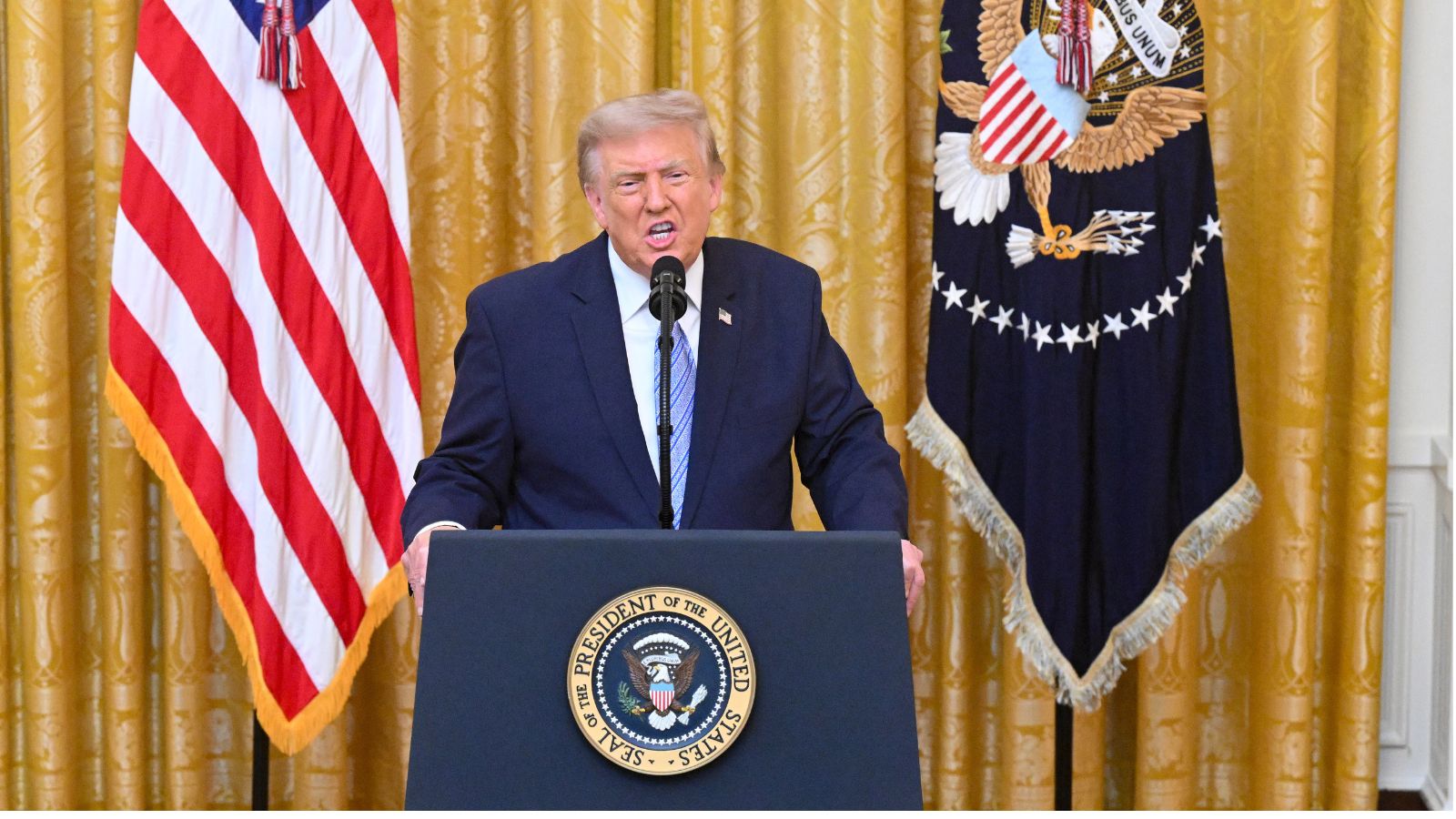
Over the weekend, the air across the Middle East grew thick with an invisible, trembling weight. According to US President Donald Trump, American forces were completely locked and loaded, holding at levels of military power not witnessed since the global conflagrations of the 1940s. A massive, crushing aerial campaign was hours away from tearing across Iranian energy infrastructure and strategic military nodes. It would have been the largest offensive strike executed by the United States in decades, a cataclysm designed to break the stalemate over the vital Strait of Hormuz and fundamentally alter the security architecture of the Persian Gulf.
Then, the finger lifted from the trigger.
The decision to halt the operation came not from a sudden shortage of ordnance, but from an urgent diplomatic chorus rising from capitals that had the most to lose. Saudi Arabia, the United Arab Emirates, Qatar, and even channels tied to Tehran itself flooded Washington with frantic appeals. They did not want the sky to catch fire. They knew that an attack of that magnitude, no matter how precise its initial targeting, would invite a chaotic cascade of retaliation. Missiles do not care about economic forecasts, and retaliatory strikes rarely stay neatly contained within borders.
When Saudi Crown Prince Mohammed bin Salman spoke with Trump, the message was stark and practical. The unpredictable fallout of total war threatens everything from global oil supplies to the fragile stability of neighboring states. A regional official noted that fresh proposals mediated through countries like Oman offered an alternative exit ramp: an immediate, complete reopening of the critical Strait of Hormuz—the narrow maritime chokepoint carrying a massive share of the world's oil—paired with renewed efforts to address Iran's nuclear ambitions.
Negotiations are set to resume, shifting the battlefield from the stratosphere back to the conference table. Oil markets reacted instantly, sliding sharply as traders breathed a collective sigh of relief at the prospect of de-escalation. Yet, the underlying tension remains palpable. Tehran’s official posture fluctuates between diplomatic engagement and fierce defiance, with state media dismissing outside claims of weakness while diplomats quietly hash out the parameters of a lasting accord.
The machinery of war has only paused, not disappeared. The warships remain stationed on the horizon, and the air defense batteries across the Gulf stay primed. Diplomacy is a delicate, fragile vessel navigating a sea of deep-seated historical animosity. For now, the largest strike since World War II rests in the balance, waiting to see whether words can achieve what raw, unbridled force ultimately chose to withhold