Altitude is a fragile illusion. At thirty-seven thousand feet, humanity relies entirely on a thin sheet of reinforced aluminum, the hum of turbine engines, and the quiet assumption that the two strangers locked inside the cockpit door want to see tomorrow just as badly as the people do in row thirty-two.
Then the door flies open. And the illusion ends.
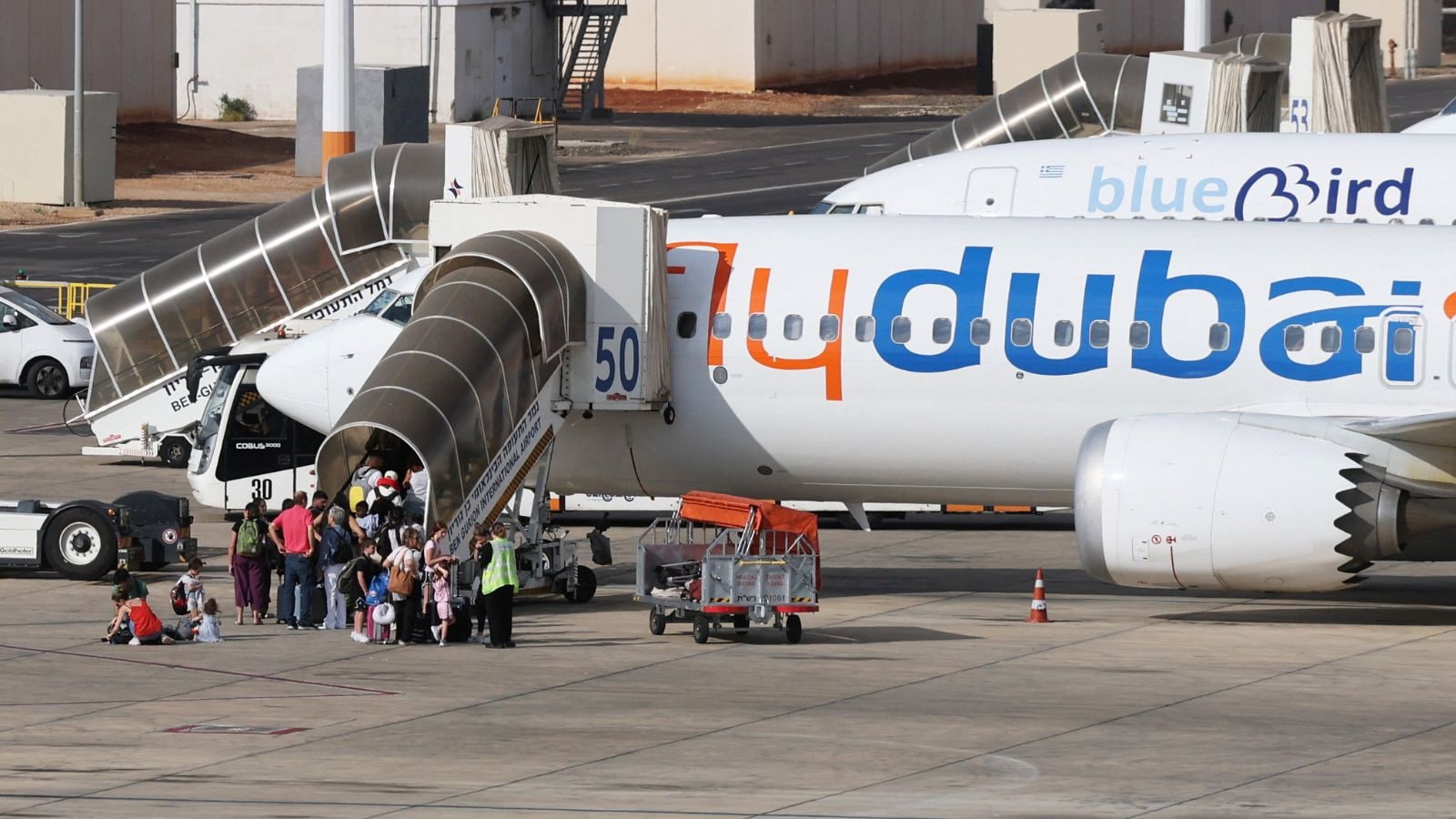
On a routine Flydubai flight from Dubai bound for Tel Aviv, the sky turned into a theater of raw, unfiltered panic. For Yasmin Abukasis, waiting anxiously at Ben Gurion Airport, the hours began with a sickening knot of dread. She was waiting for her daughter, Miriam, who was flying home ahead of a family memorial service—a somber anchor for a mother who had already buried a son lost in battle. The arrival board flickered. Delays mounted. Whispers rolled through the terminal.
Then came the phone call.
"Mom, you have no idea what we went through," Miriam whispered, her voice fractured by adrenaline and survival.
Up front, the flight had unspooled into absolute chaos. Passengers heard the screams first—sharp, violent, and echoing through the galley. Blood stained the bulkhead. According to horrified accounts relayed by passengers and their families, a violent struggle had erupted inside the flight deck. A knife flashed. The captain was slashed, and the aircraft, caught in a sudden, brutal power vacuum, began to pitch and roll wildly.
The plane lost control.
For ten agonizing, endless minutes, the Boeing 737 became a falling elevator in a void. Suitcases broke free from overhead bins. Oxygen masks dropped like sterile white fruit. Grown men and women gripped hands, shouting ancient prayers into the rushing wind of the cabin. Miriam looked down at her phone, gripped by the terror of unfinished business, whispering words of desperate resolve to a mother waiting thousands of miles away.
Consider what happens when ordinary people are forced to become heroes.
There was no training manual for what happened next. But human instinct, refined by sheer desperation, took over. Off-duty pilots traveling as passengers, a handful of brave travelers, and quick-thinking medical personnel didn't wait for permission. They surged toward the flight deck, breaching the chaos to neutralize the threat and restrain the attacker. In the cockpit, amidst the blood and broken instruments, reserve hands grabbed the yoke. They wrestled the plunging machine back onto an artificial horizon, stabilizing the descent before the catastrophic ground could reach up and meet them.
The emergency squawk went out. The aircraft veered, making an unscheduled, heart-stopping emergency landing in Saudi Arabia.
On the tarmac at Tabuk Airport, sirens wailed. Ambulances lined the runway. Passengers stepped off the aircraft into a surreal geopolitical limbo, shaking, weeping, and staring at their hands. They were alive. But the psychological altitude sickness of that realization lingered heavily in the desert air.
Back at Ben Gurion, Yasmin clutched her phone, her body wracked with goosebumps. She had already tasted the bitter draft of unimaginable loss. To come so agonizingly close to losing her daughter on a Tuesday afternoon flight felt like a cruel cosmic joke. Yet, standing in the terminal, watching the final updates roll in, her overwhelming emotion wasn't anger or shock.
It was pure, trembling gratitude.
The flight eventually made its way back home, welcomed by cheers and the heavy, emotional embrace of families who realized just how thin the margin is between an ordinary Tuesday and the end of the world. But the silence remains in the clouds above the Middle East—a stark reminder of the fragile trust we hand over to total strangers every time we lift our feet off the ground.