Midnight in Sha Tin is usually a quiet negotiation between concrete and wind. The towers of the public housing estates stand like dark monoliths against the Hong Kong sky, holding thousands of lives inside their cellular grids. Behind those thin exterior walls, people are sleeping, cooking, arguing in whispers, dreaming ordinary dreams.
Then the smell changes.
It is never a dramatic roar at first. It starts as something thin and acrid, curling under a apartment door. A sharp scent of melting plastic. A sudden, unexplained heat in the hallway.
For a family of four living within the sprawling density of Sha Tin, that ordinary night fractured in seconds. Flames do not care about square footage. They do not care about the long years spent waiting for a public housing allocation, the cramped optimization of furniture, the framed photographs on the wall, or the quiet domestic rhythms that make a box in the sky feel like a home.
Smoke fills the lungs before the mind can even catalog what is happening. Panic is a physical weight. It presses down on the chest, blinding and disorienting.
When the fire broke out, the apartment transformed. What was once a sanctuary became a trap. In high-density vertical communities, a single spark carries catastrophic geometry. The corridors narrow. The elevators become death traps. Every second counts down in gray smoke and suffocating heat.
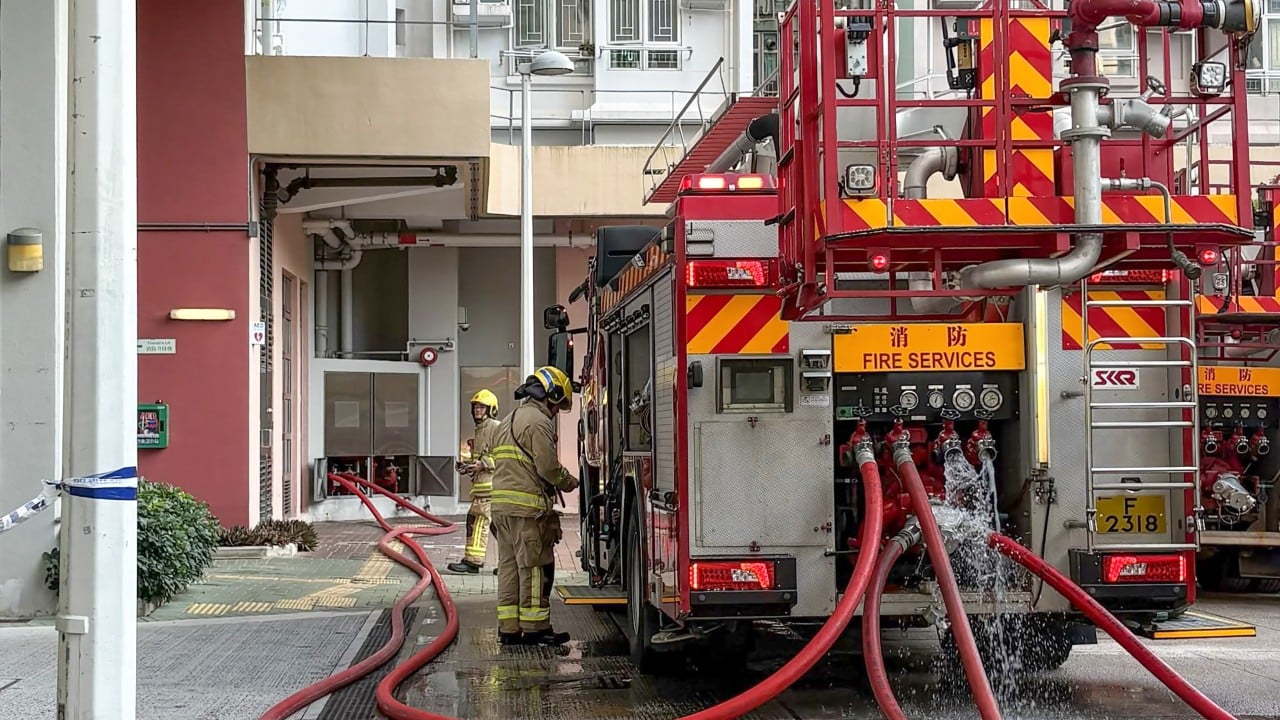
Emergency services arrived with the familiar, frantic wail that residents of the city know too well. Red trucks choked the narrow access roads. Firefighters moved with practiced, desperate efficiency, hacking through smoke, dragging heavy lines up stairwells, searching for human coordinates in the dark.
Four bodies were pulled from that heat. A family. Parents and children whose names would later appear in brief, sterile news bulletins as statistics, as an incident report, as a case number.
They were rushed to the hospital. Smoke inhalation. Burns. The invisible terror of carbon monoxide lingering in the blood. As of now, they fight for their recovery behind sterile ward curtains, far from the charred remains of everything they owned.
We talk endlessly about housing infrastructure in this city. We debate square meters, land reclamation, housing supply, and waiting lists. We measure our lives in real estate prices that defy gravity. But we rarely talk about the vulnerability baked into our vertical survival.
Consider what it means to live stacked one upon another. Our homes are miracles of engineering, yet they are fragile ecosystems. A faulty appliance, an overloaded extension cord, a stray ember—and the collective density that defines urban life turns into a shared hazard.
When you visit a public housing flat, you notice the clever use of space. Every inch is claimed. Shoes line the tiny entryways. Storage boxes are stacked high. Security grates guard windows. But those same security measures, meant to keep the outside world out, can inadvertently lock a family inside when the worst occurs.
The aftermath of a fire is never just about charred walls. It is about the sudden erasure of safety.
Imagine standing in a hospital corridor, wearing clothes given to you by strangers or nurses, waiting to hear if your children's lungs will heal without scarring. Imagine realizing that the kitchen table where you ate dinner just hours ago is now a heap of ash.
This is the hidden cost of our vertical existence. We build higher. We pack closer. We chase the dream of a roof over our heads in one of the most expensive places on Earth. And every so often, a midnight fire reminds us of how thin the margin is between ordinary life and total catastrophe.
The sirens have faded from Sha Tin now. The smoke has cleared from the stairwells. Cleanup crews have moved in, scrubbing soot from the concrete and hauling away blackened debris.
In the hospital room, monitors beep a steady, rhythmic measure of survival. The family breathes. Slowly. Painfully.
Outside, the towers stand tall against the dark, and another million people go to sleep, trusting the walls to hold.


