Pyongyang just changed the playbook. When Kim Jong Un oversees a combined drill featuring explosive attack drones, short-range ballistic missiles, and multi-rocket launchers all firing in unison, it is time to stop looking at North Korea through an outdated lens. This isn't just saber-rattling for domestic television. It is a direct adaptation of modern warfare tactics seen everywhere from Eastern Europe to the Middle East, customized for the Korean Peninsula.
Let's look at what actually happened during these exhibitions and live-fire demonstrations. State media reports and regional defense analysts confirmed that North Korea is heavily pivoting toward unmanned systems, artificial intelligence integration in military hardware, and synchronized swarm tactics. If you've been paying attention to how cheap loitering munitions overwhelm expensive multi-million-dollar air defense networks abroad, you'll immediately understand why military planners in Seoul, Tokyo, and Washington are deeply unsettled.
The Shift Toward Swarm Warfare
For decades, defense analysts treated North Korea's military as a massive, conventional, but technologically stagnant force reliant on aging Soviet-era inventory and sheer artillery volume. That assumption is becoming obsolete.
Recent tests showcase a dangerous shift. By combining kamikaze attack drones with short-range ballistic missiles and advanced multiple rocket launcher systems, Pyongyang is attempting to solve a specific tactical problem: how to saturate sophisticated missile defense shields like the U.S.-made Patriot or South Korea's Patriot and THAAD batteries.
Think about it from an interception standpoint. Traditional air defense systems are designed to track high-speed ballistic projectiles with predictable trajectories. When you flood the same airspace with low-altitude, loitering attack drones alongside ballistic missiles, you force defenders into an impossible economic and logistical bind. Do you fire a million-dollar interceptor at a cheap drone, or do you risk the drone taking out the radar guiding your larger defense battery? That is the exact dilemma these new swarm drills are built to exploit.
Chasing Military AI and Domestic Production
What makes this latest push different isn't just the hardware on display—it's the stated ambition. Kim Jong Un didn't just watch a parade; he called for a rapid, aggressive expansion of unmanned aeronautical technology, explicitly urging researchers to prioritize artificial intelligence in weapon development.
State media images from exhibitions at locations like the Wonsan-Kalma coastal tourist area revealed a variety of new unmanned aerial vehicles designed for reconnaissance and direct explosive impact. While foreign intelligence agencies are still verifying the exact autonomous capabilities of these systems, the intent is clear. North Korea is trying to bypass traditional industrial limitations by building asymmetric capabilities that offer maximum psychological and tactical disruption for a fraction of the cost of heavy armor or a larger navy.
The Regional Fallout and What Comes Next
Seoul's Joint Chiefs of Staff have repeatedly warned of a firm, calculated response to these provocations, pointing out that combining missile launches with drone operations violates multiple UN Security Council resolutions. Meanwhile, trilateral military exercises between the United States, South Korea, and Japan continue to ramp up in frequency and scale, creating an escalating cycle of action and reaction.
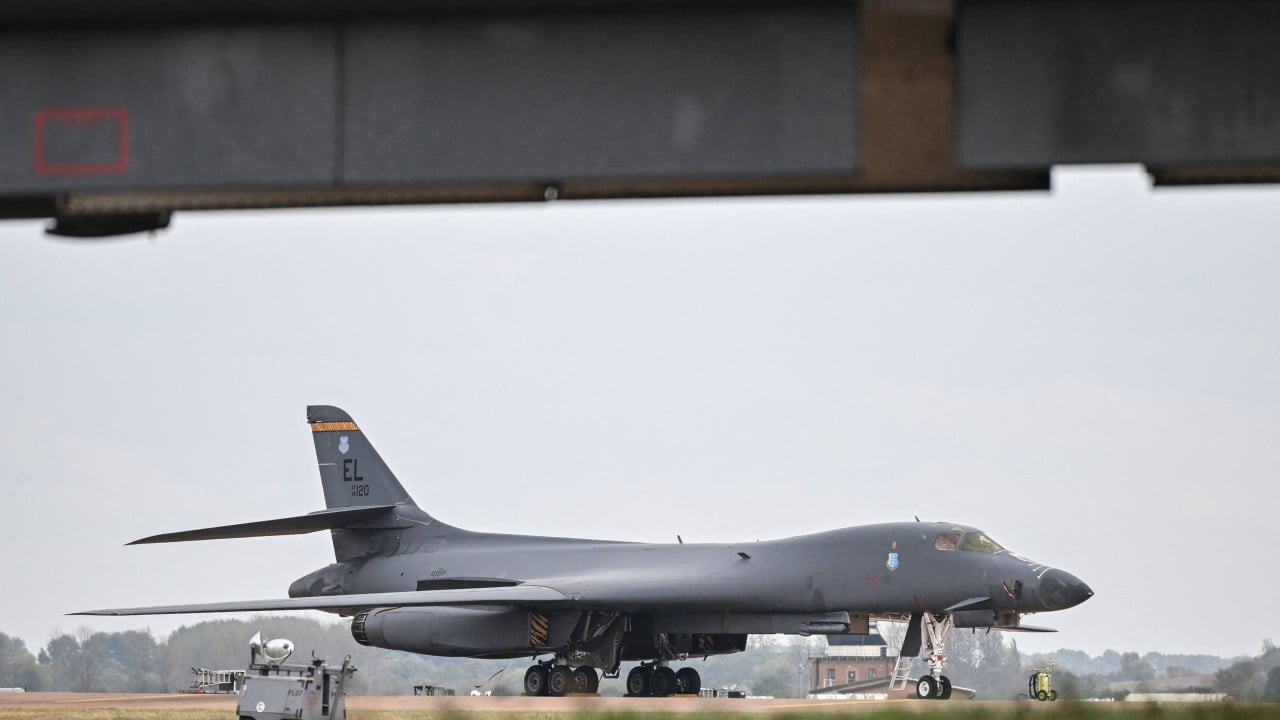
Every time allied bombers fly joint drills near the peninsula, Pyongyang responds with live-fire tests, and every time North Korea launches missile and drone swarms, the alliance tightens its defensive perimeter further.
The real danger on the Korean Peninsula isn't a sudden, unprovoked full-scale invasion. It's the creeping normalization of these high-tech tactical tests, where a miscalculated border skirmish or an overwhelmed radar screen could turn a routine drone exercise into an uncontrollable crisis.
North Korea Unveils Drone Firepower as Kim Jong Un Pushes for Military AI Dominance
This video provides visual context and news coverage of North Korea's recent military exhibitions and drone capability demonstrations.