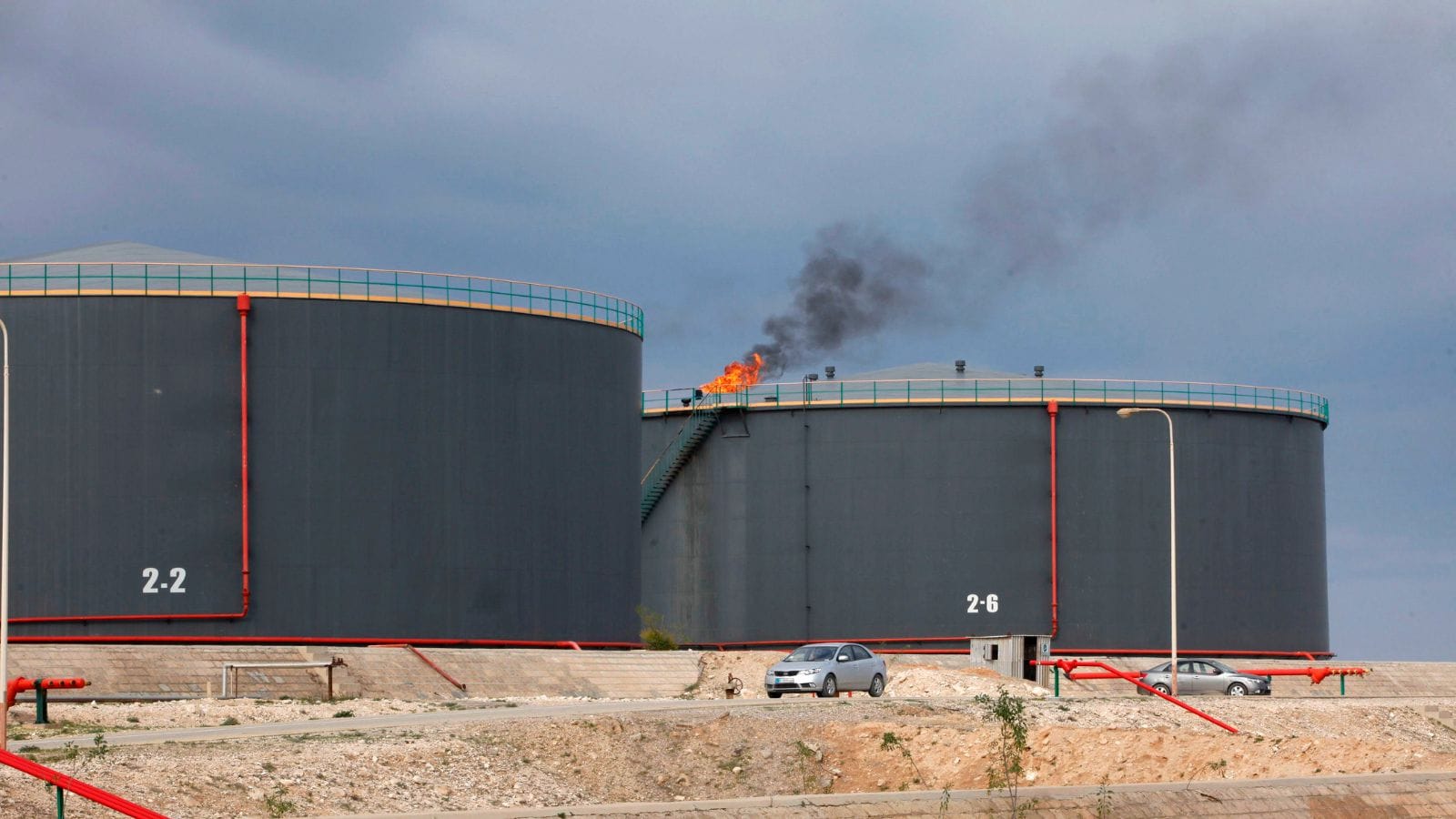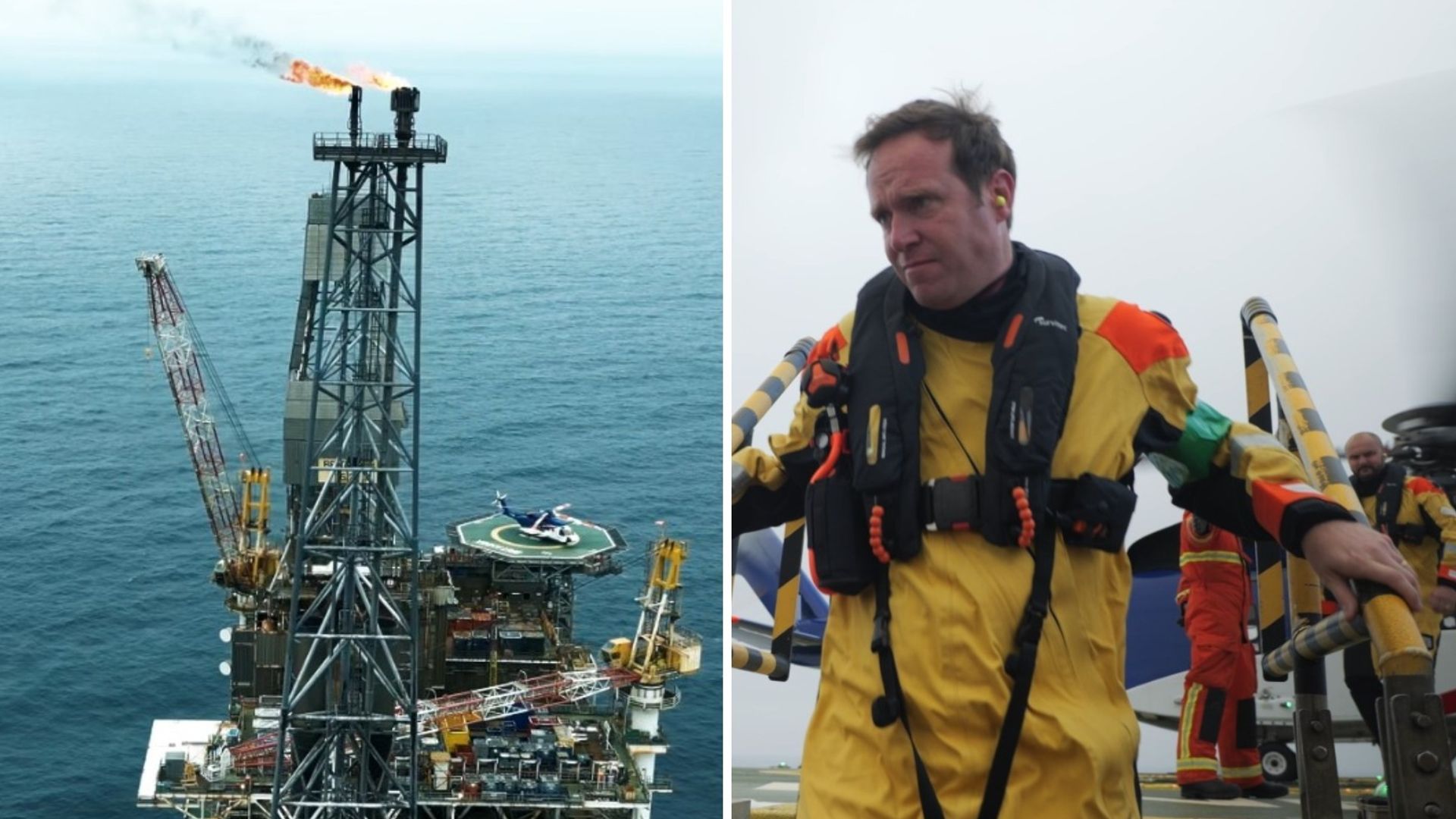
Everybody loves a good decline narrative. Journalists fly out to Aberdeen, point a camera at a rusted rig, interview a grizzled roustabout who has salt in his beard and sorrow in his voice, and declare that an entire basin is going gently into that good night. The lazy consensus says the North Sea is a ghost town waiting to happen. The narrative writes itself: the easy oil is gone, the politicians are hostile, the transition is inevitable, and the basin is a dying relic of a carbon-soaked past.
It is a comforting, neat little story for people who have never spent a Tuesday morning trying to keep a high-pressure subsea wellhead from icing up in a force nine gale.
I have watched companies burn hundreds of millions of dollars chasing the exact brand of green PR theater that politicians love, only to watch production flatline because nobody wanted to pay for basic structural maintenance. Let us strip away the sentimentality, the political grandstanding, and the apocalyptic journalism. The North Sea is not dying. It is undergoing something far more clinical. It is being priced out of its own nostalgia.
The Fallacy of the Empty Basin
The core premise of the standard lament is that we drilled everything, wrung the sponge dry, and now we are scraping the bottom of an empty barrel. The data says otherwise.
Look past the headlines about falling aggregate production curves. The UK and Norwegian continental shelves still hold billions of barrels of oil equivalent. The issue is not absolute scarcity. The issue is return on capital employed. When regulatory friction multiplies, tax rates shift mid-project like a crooked poker game, and every environmental group in Western Europe treats your environmental impact assessment as a personal insult, the hurdle rate for capital changes.
I have seen joint-venture partners pull the plug on commercially viable tie-backs not because the reservoir was dry, but because the administrative delay added thirty-six months to first oil. Time kills deals faster than dry holes.
When analysts look at falling production numbers and scream terminal decline, they are confusing a political choice with a geological reality. The basin is choked by red tape, erratic taxation, and a cultural panic that treats every new platform as an ecocide while quietly importing liquefied natural gas from halfway across the planet with twice the carbon footprint.
The Infrastructure Trap
Here is what the television documentaries never show you: the subsea spiderweb.
The North Sea is one of the most densely engineered industrial zones on earth. Thousands of kilometers of pipelines, dozens of aging platforms, compression hubs, and processing facilities crisscross the seabed. This infrastructure is worth hundreds of billions of dollars. It is also a massive financial liability if throughput drops below break-even volume.
Here is the dirty secret of mature basins. Decommissioning costs are staggering. The companies that built this empire are looking down the barrel of multi-billion-pound cleanup bills mandated by international treaties. If you walk away, you pay to plug and abandon. If you stay, you have to maintain safety-critical elements on steel that has been fighting salt water for forty years.
This creates a bizarre economic distortion. Operators are sometimes incentivized to drill marginal infill wells not because the oil is particularly lucrative, but because keeping production flowing slightly longer defers a catastrophic decommissioning liability on the balance sheet.
Imagine a scenario where a mid-tier operator spends fifty million pounds on a side-track well. On paper, the project yields a modest fifteen percent internal rate of return. But in the background, it delays a two-hundred-million-pound decommissioning tax write-off for five years. That changes the math entirely. The basin is kept on life support by financial engineering, not just fossil fuel addiction.
The Electrification Mirage
Politicians love talking about net-zero North Sea operations. They demand that platforms power their operations from shore or build massive offshore wind farms dedicated to keeping compressors running.
It sounds wonderful in a press release. It is an operational nightmare in reality.
Powering an offshore platform from an onshore grid or an intermittent wind source introduces vulnerabilities that old-school diesel turbine generators simply do not have. When a storm knocks out a transmission cable, a platform trips. When a platform trips, production stops. When production stops on a high-pressure sour gas field, the financial loss per hour makes grown executives weep.
Engineers prioritize reliability above all else. Reliability means self-contained power generation on the deck, burning a fraction of the gas the platform pulls out of the earth. Forcing platforms onto a fragile electrical grid to appease urban voters who think electricity comes from a wall socket is a brilliant way to accelerate abandonment.
We are imposing structural handicaps on domestic producers while continuing to consume the exact same volume of hydrocarbons from jurisdictions with zero environmental standards and zero fiscal transparency.
The Talent Drain and Institutional Amnesia
The real crisis in the North Sea is not oil prices or taxation. It is human capital.
For the past decade, we have systematically told an entire generation of engineers, geologists, and subsea technicians that their chosen field is dirty, shameful, and temporary. Universities have rebranded petroleum engineering departments out of existence to appease nervous donors. Corporate recruiters struggle to find bright young minds willing to stake a career on an industry that the government treats like a political punching bag every time energy prices spike.
I have sat in boardrooms where senior management scratched their heads over project delays, completely blind to the fact that their engineering teams are half-staffed with contractors who change employers every six months because nobody wants long-term exposure to a demonized sector.
You cannot run high-consequence industrial operations with a rotating cast of transient consultants. You need institutional memory. You need engineers who know the quirks of a specific reservoir's sand production profile because they have worked that asset for fifteen years. When you lose that, you lose safety, efficiency, and predictability.
What Actually Happens Next
The North Sea will not vanish in a dramatic puff of political smoke. Instead, it is undergoing a quiet migration of ownership.
The supermajors are selling their mature assets to private-equity-backed minnows or agile independents who specialize in squeeze-play asset management. These new players do not care about corporate ESG ratings or greenwashing campaigns. They care about cash flow, mechanical integrity, and squeezing every last drop of margin out of brownfield sites.
At the same time, the basin is pivoting toward carbon capture and storage (CCS) and hydrogen pilot projects. But let us be brutally honest about that transition: CCS is a cost center, not a profit center. It is an industrial waste disposal business subsidized by taxpayers and carbon credits. It does not fund itself the way a gushing oil well does. Pretending that we can instantly swap out a multi-billion-dollar oil and gas cash cow for a nascent carbon burial service without a massive economic contraction is economic illiteracy.
Stop listening to the moralizing pundits who treat the North Sea as a theological battleground. It is an industrial basin governed by the cold, unforgiving laws of physics, capital allocation, and supply chains. If the math stops working, the taps turn off, no matter how many speeches politicians give in Westminster or Oslo.
If you want energy security, stop punishing the people who know how to keep the lights on. If you want a transition, fund the infrastructure instead of taxing the seed corn. Until then, every platform mothballed early is just another monument to magical thinking.