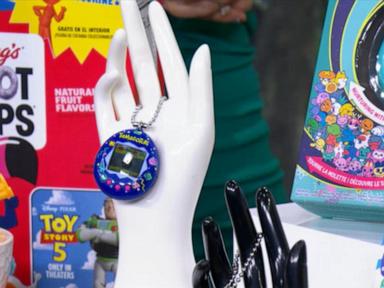
Millennials are buying back their childhoods, but not for the reasons you think.
The recent surge in 90s toy re-releases—from Tamagotchis and Furby revamps to plastic Polly Pocket compacts and Poochie stamps—isn't just a random twist of cultural fate. It is a highly engineered, multi-billion-dollar corporate strategy. Toy manufacturing giants are systematically raiding their intellectual property vaults to combat a terrifying reality. Children are abandoning physical toys earlier than ever before in favor of digital screens. By targeting nostalgic adults who now have disposable income and children of their own, the toy industry has found a lucrative survival mechanism.
This isn't a temporary trend. It is a fundamental shift in how consumer goods are marketed, manufactured, and sold.
The Death of Play and the Birth of Safe Bets
Toy companies are panicking. The traditional toy market faces a phenomenon industry insiders call KGOY, or "Kids Getting Older Younger." Twenty years ago, a child might play with action figures or fashion dolls until age ten or eleven. Today, that window slams shut around age six or seven, when smartphones and tablets take over.
To survive, corporate boardrooms stopped looking at what kids want. They started looking at what their parents used to love.
Developing a brand-new toy line from scratch is an incredibly risky financial gamble. It requires millions of dollars in market research, prototyping, tool-and-die manufacturing, and high-stakes advertising campaigns. If the toy flops, the losses are catastrophic.
Nostalgia eliminates that risk. When a company revives a powerhouse brand from 1995, the foundational marketing is already done. The consumer awareness is baked into the culture. The adult buyer instantly recognizes the silhouette of a vintage vehicle or the digital chirp of a virtual pet. For private equity firms and public toy companies answerable to Wall Street shareholders, a 90s reissue is a predictable, low-risk revenue generator.
Capitalizing on Kidult Culture
The toy industry created a new demographic to salvage its bottom line. They call them kidults. These are adults aged 18 to 44 who buy toys, games, and collectibles for themselves.
This group is now the single largest driver of growth in the entire toy sector. They do not buy toys to play with them. They buy them for emotional regulation, office desk decor, or investment flipping on secondary digital marketplaces.
Take the resurgence of trading card games and micro-collectibles. In the 1990s, these items were bought with crumpled allowance money at corner convenience stores. Today, those same brands are packaged in premium "collector editions" with high-end finishes, targeting adults willing to drop eighty dollars on a single purchase. The manufacturers know that the brain releases dopamine when exposed to familiar sights and sounds from a person's formative years. The corporate strategy is simple. Monetize that comfort.
The Material Reality of the Plastic Economy
To understand how deep this strategy goes, look at the supply chain. Manufacturing a toy requires massive upfront tooling costs. Metal molds for injection-molded plastic can cost upwards of one hundred thousand dollars per piece.
When a company digs up old toy lines, they often reuse original mold specifications or digital design files archived decades ago. Even when they update the internals—like replacing cheap 90s microchips with modern, low-power Bluetooth processors—the physical form factor remains identical. This saves millions in development costs.
- The Margin Advantage: Old designs mean shorter development cycles, reducing the time-to-market from 18 months down to six.
- The Scale Benefit: Factories already set up for basic plastic assembly can churn out retro shapes without upgrading to complex, new assembly mechanisms.
- The Retail Hook: Big-box retailers allocate shelf space based on historical sales data. A brand with twenty years of historical data gets the prime eye-level shelves automatically.
The Dark Side of the Retromania Cycle
This reliance on past triumphs has a severe downside. It creates an industry-wide stagnation.
When major manufacturers dedicate thirty to forty percent of their annual production budgets to legacy brands, independent toy inventors get squeezed out. Original, weird, or risky ideas rarely make it past the greenlight committee anymore. The shelves of modern toy stores look less like a showcase of current human creativity and more like a curated museum gift shop of the late twentieth century.
There is also an environmental irony at play. The original 1990s toy boom coincided with a massive rise in the use of cheap, non-recyclable plastics like polyvinyl chloride (PVC). Modern reissues frequently use the exact same materials to maintain that specific, heavy, retro feel in the hand. Millions of tons of petroleum-based plastic are being pumped into the global economy not to enrich the lives of developing children, but to sit statically on shelves in adult home offices.
How Platforms Weaponize Memory
The final piece of the corporate resurrection puzzle is the algorithmic amplification provided by modern social media.
A brand doesn't just reappear on a shelf. It is systematically seeded across video platforms through "unboxing" culture and vintage aesthetic trends. Companies pay adult influencers to react emotionally to opening packages that mimic the exact cardboard design of 1998.
This creates a self-reinforcing loop. The algorithm spots the engagement, pushes the retro content to millions of users who grew up in that era, and drives immediate e-commerce conversions. It is a frictionless pipeline from a fleeting childhood memory to a digital credit card transaction. The consumer believes they are participating in a organic cultural revival. In reality, they are responding precisely to a highly calibrated corporate prompt.
The toy shelf of the future is already here, and it looks exactly like the toy shelf of your past. The industry has realized that while childhood is fleeting, the desire to buy it back lasts forever.