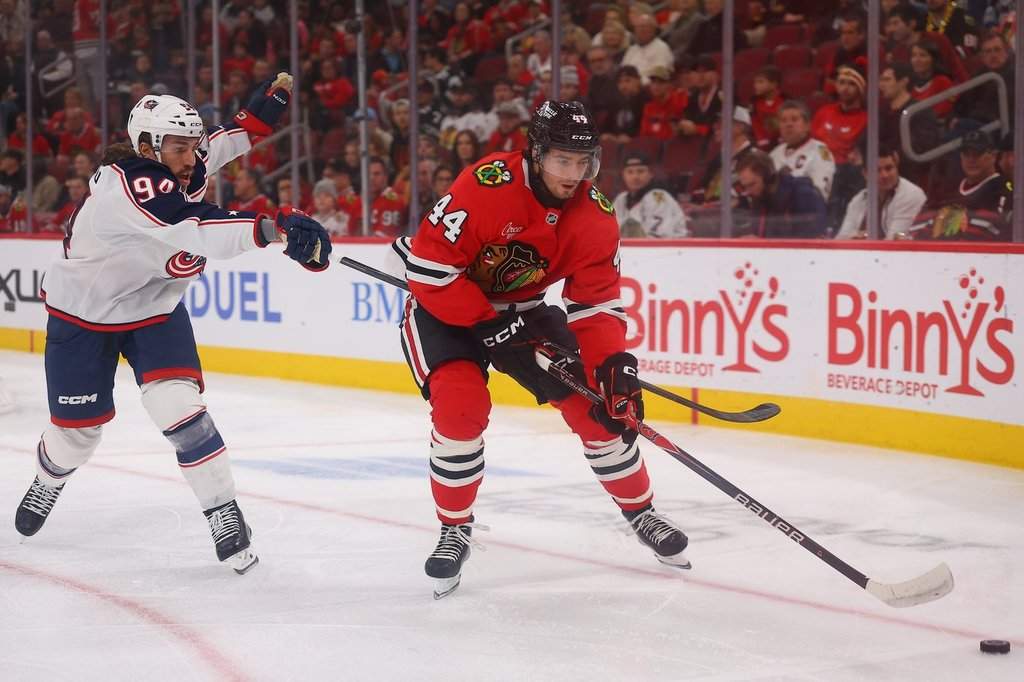
A red card does not merely remove one player from a football match; it alters the geometry of passing lanes, multiplies the metabolic cost of pressing, and exposes every flaw in a manager's positional system. When a side already struggling for structural coherence goes down to ten men against an organized, high-tempo opponent like Liverpool, the scoreboard rarely reflects bad luck alone. It reflects a compounding failure of spatial control, transition discipline, and tactical sequencing.
Using the scenario implied by a heavy defeat for a ten-man Manchester United side under Mauricio Pochettino against Liverpool as a structural case study, this analysis breaks down why numerical deficits spiral into lopsided scorelines and how managers attempt to stabilize a collapsing match state. Because no verified match record or live statistical feed is supplied here, specific scorelines, exact minute-by-minute events, and player-level match stats are outside established fact. The focus here is on the underlying tactical mechanisms, resource constraints, and structural trade-offs that govern these encounters.
The Structural Anatomy of a Ten-Man Collapse
Football matches are governed by space and time. A team with eleven players can usually cover the width of the pitch while maintaining compact vertical distances between lines. Losing one player removes a node from the defensive network, forcing teammates to stretch laterally or drop deeper to protect dangerous zones.
Against a high-intensity side such as Liverpool, that extra space becomes an immediate weapon. High-pressing teams rely on coordinated triggers, aggressive counter-pressing immediately after losing possession, and rapid switches of play that force opponents to shift sideways repeatedly. When a defending team has ten players, every lateral switch requires a longer sprint to close the gap. Defenders arrive half a second late, passing lanes open between midfield and defense, and high-turnover recovery becomes harder to sustain.
The Three Pillars of Numerical Deficit Failure
- Spatial Overextension: When one player is missing, maintaining a compact block requires horizontal stretching or deeper retreats. Stretching widens gaps between full-backs and center-backs; retreating invites sustained pressure inside the penalty box and reduces outlet options upfield.
- Metabolic Asymmetry: A ten-man side spends more energy chasing the ball and covering open zones while holding the ball less often. Fatigue degrades decision-making first, leading to rushed clearances, mistimed tackles, and poor body orientation under pressure.
- Transition Vulnerability: Without a spare outlet in central or wide areas, clearing the ball often results in immediate turnover. The attacking side wins second balls higher up the pitch and launches waves of attacks before the depleted defense can reset its shape.
A practical illustration shows how quickly these three pillars interact. Suppose a team sets up in a mid-block and loses a central midfielder or wide defender to a sending-off. If the remaining midfielders try to press aggressively to hide the numerical gap, they leave behind large pockets of space for quick vertical passes. If they drop into a low block instead, their attackers become isolated, forcing long balls that return possession straight to the opponent. Neither choice solves the deficit; each shifts the strain to a different part of the pitch.
Why Managerial Systems Face Acute Strain Early in a Tenure
New managerial appointments often promise clear identity and high-intensity football, yet early-stage implementation carries built-in fragility. Building a cohesive pressing trap, synchronized rotation patterns, and calm build-up habits under pressure takes repetition across training weeks and live matches.
When an adverse event such as an early red card strikes during a turbulent start, the manager faces a stark clash between ideal philosophy and immediate survival. Pressing high with ten men requires extreme coordination and fitness. Dropping deep into a compact low block protects the goal mouth in the short term, yet it may conflict with squad habits built around aggressive forward movement or high lines.
In operational terms, early-tenure instability creates a mismatch between tactical intent and execution capacity. Players are still learning exact spacing cues—when to step up, when to tuck inside, and how to cover a teammate's forward run. Under the stress of a numerical disadvantage and relentless opposition attacks, minor hesitations turn into major structural breakdowns.
What Happens When a Team Goes Down to Ten Men Against a High Press
Observers often ask whether a ten-man team should sit deep or keep pressing, why heavy defeats snowball after a red card, and how a manager can stop the bleeding mid-game. The tactical logic behind each of these questions points to clear trade-offs rather than simple rules.
Sitting deep reduces immediate space behind the back line, yet it concedes territorial control and places enormous concentration demands on defenders facing repeated crosses, cutbacks, and box entries. Pressing high can disrupt an opponent's rhythm, yet missing just one press trigger with ten men leaves wide-open lanes for diagonal balls or third-man runs.
Heavy scorelines often snowball because defensive fatigue compounds tactical error. Early in a numerical disadvantage, adrenaline and organization can keep a deficit manageable. Later in the half or match, tired legs shorten sprints, slow recovery runs, and turn half-chances into high-value shots.
Stabilizing a match mid-game requires clear role simplification. Managers typically shift from fluid positional rotations to fixed zonal responsibilities, sacrifice a forward or attacking midfielder to reinforce central lanes, and instruct wide players to prioritize touchline coverage over high pressing. Yet simplifying roles also reduces attacking threat, making it difficult to relieve pressure through sustained possession.
The Cost Function of Tactical Adjustments
Every tactical adjustment carries an opportunity cost. A manager operating a man down does not find a costless fix; they reallocate scarce resources—space, stamina, and personnel—across competing priorities.
- Protecting Central Lanes vs. Defending the Flanks: Narrowing the midfield block protects the penalty area from through-balls, but it leaves full-backs isolated against wingers and overlapping runners.
- Preserving Counter-Attacking Threat vs. Adding Defensive Numbers: Keeping a fast forward high can pin back an opponent's center-backs, yet leaving one fewer body in midfield makes surviving sustained possession spells much harder.
- Maintaining Pressing Intensity vs. Conserving Energy: Aggressive pursuit can force hurried opponent passes in the short term, but it accelerates exhaustion and increases late-game vulnerability.
Consider a classic mid-match dilemma. Down to ten men and trailing by a goal, a manager wants an equalizer without conceding a second. Pushing extra players forward increases goal threat slightly, but it exposes wide channels and central pockets to rapid counter-attacks. A heavy defeat often follows when a depleted side refuses to concede territory, gets caught in transition, and concedes multiple goals in quick succession.
Distinguishing Known Mechanics from Educated Hypotheses
Rigorous match analysis requires separating established tactical principles from unverified claims about a specific fixture. Without a verified match report, official lineups, event timelines, or tracking metrics for this specific encounter, any claim about exact goals, cards, substitutions, or individual errors would be speculation rather than fact.
What can be stated with high confidence are the structural mechanisms of ten-man football against a high-intensity side. Numerical inferiority reduces passing options in possession and increases ground coverage out of possession. High-pressing teams thrive on verticality, counter-pressing, and sustained territorial pressure, which punish disorganized or fatigued defensive blocks.
What remains a hypothesis in the absence of match data is how specific tactical choices played out in that exact game. One plausible hypothesis is that early numerical loss forced an uncomfortable compromise between a compact block and high-line habits, opening spaces between midfield and defense. Another is that accumulated fatigue and transition turnovers drove a second-half scoring surge. Treating these as testable hypotheses—to be checked against actual match events and shot maps—keeps the analysis honest.
Strategic Limitations and No Silver Bullets
Even the clearest tactical framework has limits. No formation, substitution pattern, or defensive drill eliminates the math of being a player down against an elite attacking unit.
First, structural discipline cannot fully offset severe physical fatigue over ninety minutes. Even well-drilled blocks bend when defending dozens of entries and sprinting across wide spaces repeatedly. Second, squad profile constrains options: a team lacking pace in central defense or composure under pressure faces steeper penalties when forced to defend deep. Third, match context—scoreline, time remaining, and psychological momentum—often overrides textbook planning. Players chasing a game or reeling from an early setback may abandon structure in search of a quick response, creating the exact openings a ruthless opponent exploits.
Tactical Playbook for Managing Numerical Disadvantage
When a team goes down to ten men early against a high-pressing opponent, the immediate strategic priority is compartmentalized containment rather than attempting to win the territorial battle.
- Lock a Compact Mid-to-Low Block Immediately: Collapse horizontal distances between the back four and midfield line so central passing lanes stay closed, forcing the opponent to play around the outside rather than through the middle.
- Assign Clear Lateral Hand-Offs: Define exact rules for when a central midfielder steps out to a wide channel and how the remaining midfielders shift across to cover the vacated central space.
- Eliminate Risky Build-Up Through Tight Central Zones: When clearing or progressing the ball, favor high-percentage outlets—such as long balls toward an isolated target or safe touchline clearances—over tight passes that invite high-turnover counter-attacks.
- Manage Energy Through Staggered Sub-Unit Effort: Avoid full-team sprints on dead ends; coordinate short bursts of pressure when the ball enters designated trap zones, then recover shape as a unit.
- Use Fresh Legs to Protect High-Strain Zones: Bring on substitutes specifically for wide defensive corridors and central screening roles where sprinting demand is highest, preserving structural integrity through the final stretch.