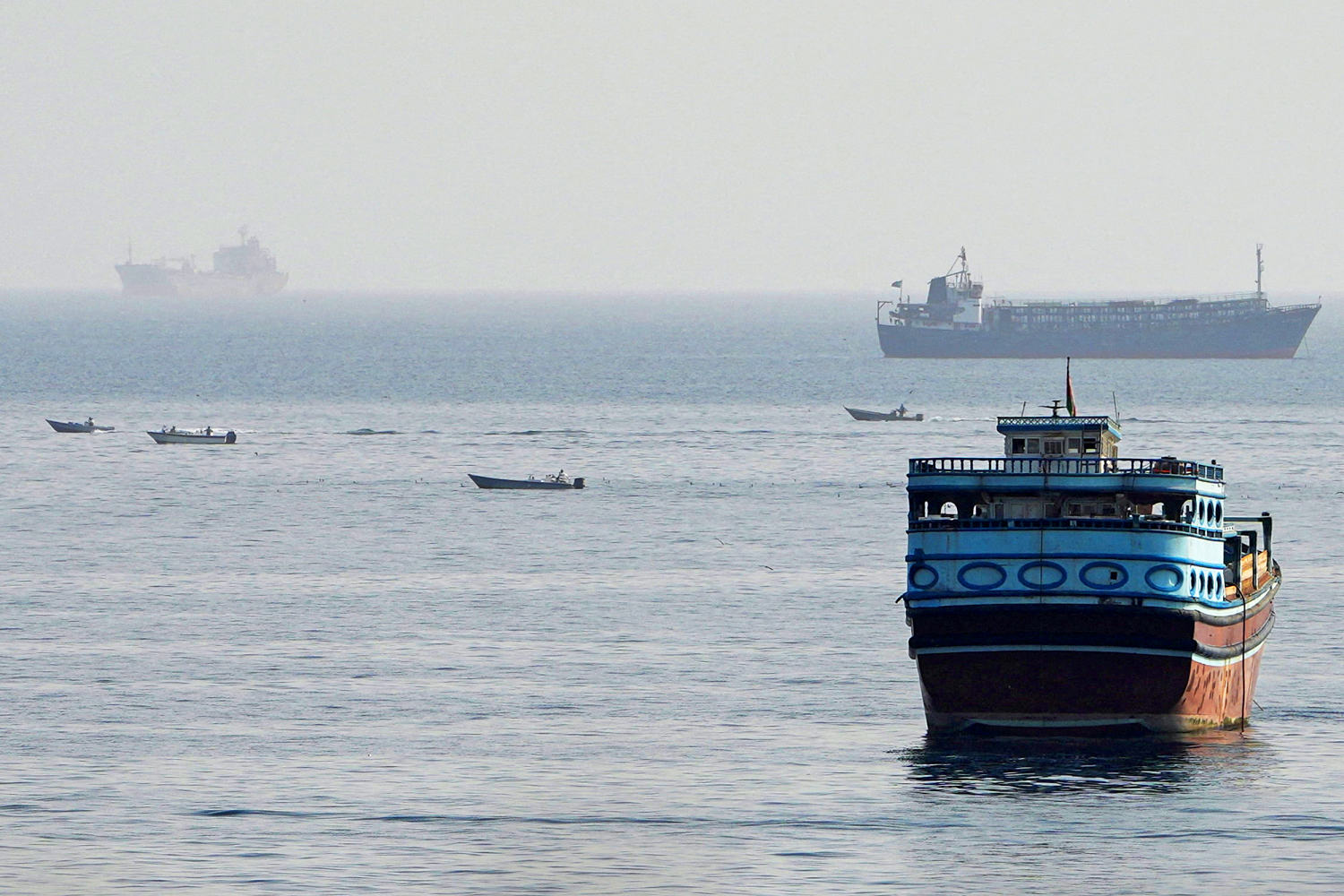
Everyone is watching the negotiations between Tehran and Muscat, expecting a quick fix for global energy markets. Washington officials keep signaling that an agreement over the Strait of Hormuz is right around the corner. But Tehran is making one thing crystal clear: an upcoming traffic arrangement with Oman does not mean the crucial waterway is going back to normal.
If you think a signature on a regional document will instantly flood the market with oil again, you are missing the entire game. Iran is treating the choke point as its ultimate strategic card, and they aren't about to hand it back for free.
The Reality Behind the Oman Talks
Iran and Oman have been hammering out a provisional framework regarding shipping lanes. The talks focus on establishing a new geographical route where a significant portion of commercial traffic would pass through Iranian territorial waters. On paper, a joint maritime coordination center sounds like a breakthrough.
Washington anticipates that normal oil traffic will resume as soon as this understanding is finalized. That is wishful thinking.
Iranian Foreign Minister Abbas Araqchi stated bluntly that while an agreement on a new route is very close, reopening the waterway depends on entirely different conditions. Tehran wants concrete actions from the United States, including compensation, an end to port blockades, and relief from heavy economic sanctions. Until those demands are met, any localized shipping agreement remains just a temporary band-aid on a much deeper geopolitical fracture.
Why the Old Rules Are Dead
Before the conflict kicked off in late February, a standard traffic separation scheme kept crude moving smoothly through the narrow passage. Tehran has already written off that old system. They consider previous maritime arrangements obsolete.
By pushing commercial vessels through specific corridors under their watchful eye, Iranian leadership aims to institutionalize a permanent shift in regional power dynamics. It is about sovereignty and leverage, not just marine logistics.
Meanwhile, physical risks haven't vanished. Recent incidents, such as missile strikes targeting tankers linked to state energy companies in the region, prove that the waterway remains a combat zone. Cargo insurers aren't going to lower rates or send vessels rushing back just because two neighboring countries signed a provisional paper. The threat profile is too high.
What Washington and the Markets Keep Missing
Traders are desperate for lower fuel prices, leading to wild swings in oil futures every time a diplomat mentions progress. But energy markets are pricing in a resolution that doesn't exist yet.
The United States insists that international waters must remain free from tolls, approvals, or transit restrictions. Iran, on the other hand, has floated the idea of service fees and strict navigational oversight. This fundamental clash over who actually controls the transit lanes is why a bilateral deal with Oman cannot magically restore prewar shipping volumes.
If you are tracking global supply chains, stop waiting for a single headline about an Oman accord to signal the all-clear. Watch how the White House responds to Iranian demands on sanctions and port blockades. That is the real bottleneck. Until those broader terms are settled, the waterway stays locked in limbo, regardless of what the regional transit agreements say on paper.

/cdn.vox-cdn.com/uploads/chorus_asset/file/22155007/doc_ock.jpg)