We live in a world addicted to micro-moments. A single hand gesture captured on a shaky mobile device, a cropped frame, a five-second loop designed for maximum indignation. The commentariat loses its collective mind, moral purity is demanded on demand, and a geopolitical flashpoint is reduced to an etiquette class for diplomats.
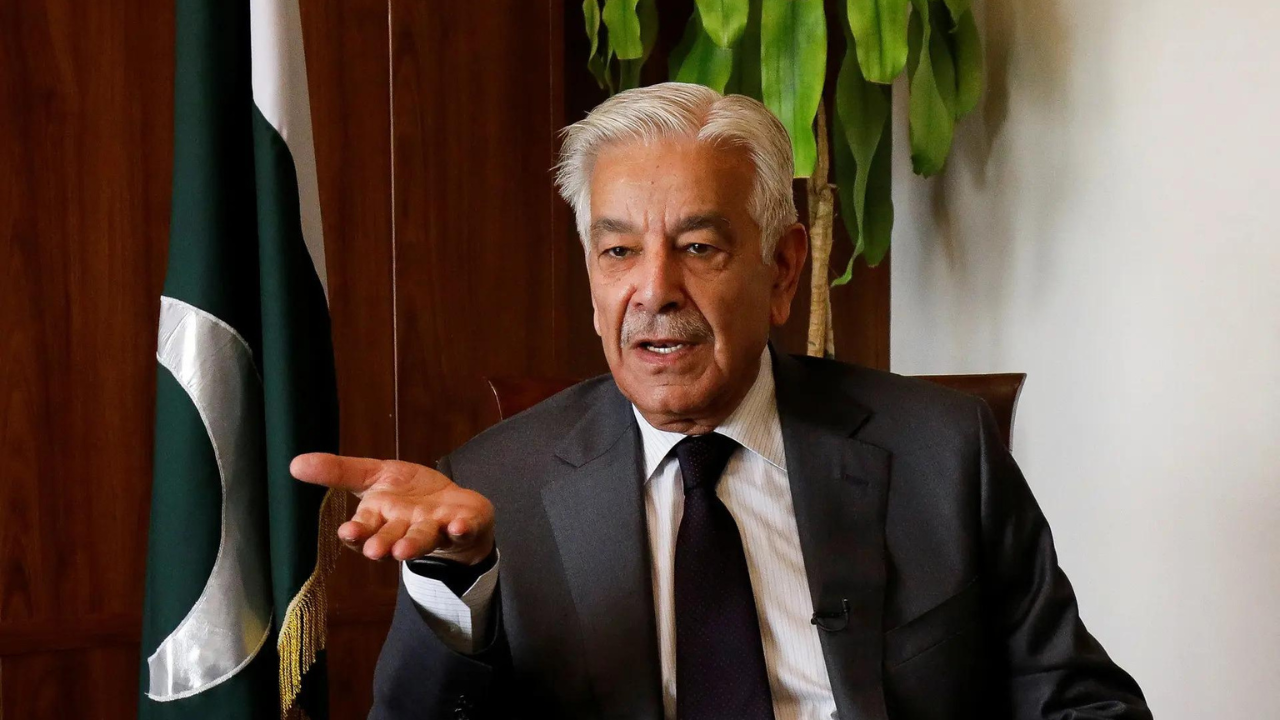
Forget the viral pearl-clutching. Look past the breathless headlines screaming about throat-cut gestures and diplomatic protocol violations. What happened between the Pakistani minister and the Afghan journalist is a symptom of a deeper rot in modern discourse: the complete inability to separate physical theatricality from actual statecraft.
Everyone is arguing about whether the minister crossed a line. Everyone is missing the fact that the entire framing of the incident is a distraction from how regional power actually operates.
The Performance of Outrage
Let us look at the lazy consensus. The narrative pushed across mainstream feeds is straightforward: a visiting dignitary lost his cool, made a violent gesture toward a reporter asking a hard question, and committed an unforgivable diplomatic blunder. The outrage machine demands an apology, a censure, or a resignation.
It is a comfortable narrative because it requires zero cognitive effort. It casts the politician as the crude villain and the journalist as the noble truth-teller standing up for press freedom.
Reality is far more cynical and far less cinematic.
I have spent years watching regional players negotiate behind closed doors, and I can tell you that ministers do not care about your Twitter threads. When state interests are on the line, physical gesticulations matter less than zero. The journalist got their soundbite, the internet got its dopamine hit of righteous anger, and the actual policy discussions remained entirely insulated from the digital circus.
By hyper-ventilating over body language, we validate a shallow form of media consumption that rewards provocation over policy. We train reporters to fish for reactions rather than substance, and we train officials to perform defensive theater instead of engaging in tough negotiations.
The Mechanics of Cross-Border Friction
To understand why this incident generated such intense friction, you have to look past the optics and examine the structural realities governing Islamabad and Kabul.
The relationship between Pakistan and Afghanistan is not managed by polite tea ceremonies or adherence to Western standards of press decorum. It is a high-stakes, zero-sum game involving border security, insurgent sanctuaries, economic survival, and domestic political survival. When a reporter from a neighboring state under extreme political transition asks a pointed question in a foreign capital, it is rarely an innocent pursuit of facts. It is an extension of political warfare.
Imagine a scenario where a state official is constantly hounded by hostile media proxies representing a government that refuses to acknowledge bilateral security boundaries. The frustration is visceral. The gesture—ugly and undisciplined as it may have been—was a raw expression of political exhaustion.
Condemning the gesture is easy. Understanding the pressure cooker that produced it requires actual effort.
Most commentators assume that diplomacy is a refined parlor game played by men in tailored suits who never sweat or lose their temper. That is a myth peddled by Hollywood and diplomatic memoirs designed to sanitize history. Real diplomacy is gritty, transactional, and frequently hostile. Behind closed doors, insults are traded, threats are implied, and survival trumps politeness every single time.
Why the Media Framing Fails
The core fallacy of the coverage surrounding this viral incident lies in the elevation of decorum above substance.
When a journalist frames a report around a throat-cut gesture, they are deliberately steering the public away from the messy business of what those two nations are actually negotiating. It is easier to write three hundred words about hand signals than three thousand words about refugee repatriation policies, border fencing disputes, or intelligence-sharing frameworks.
This is the commercial incentive of modern news. Outrage generates clicks. Analysis generates closed tabs.
Consider the broader implications for press freedom advocates. Genuine threats to journalists in conflict zones are lethal, systemic, and terrifying. Real reporters face arbitrary detention, physical violence, and state censorship on a daily basis. Conflating a politician's crude, frustrated hand gesture with systemic suppression of the press trivializes actual danger. It turns journalism into a reality TV show where the goal is to bait a reaction and cash in on the resulting viral storm.
If we treat every offensive gesture like an existential crisis, we lose the vocabulary to describe actual tyranny when it happens.
The Uncomfortable Truth About Power
Here is the part the commentators refuse to admit: power does not care about your sensitivity.
State actors operate on leverage, deterrence, and self-interest. A Pakistani minister making a crude sign on camera does not change the Durand Line. It does not alter the economic collapse in Kabul. It does not solve the security dilemma plaguing both nations. It is temporary noise masking permanent structural conflicts.
When we spend days analyzing the micro-expressions of politicians, we participate in a collective distraction. We let governments off the hook for substantive failures by focusing entirely on their public relations blunders.
Stop demanding theatrical perfection from politicians who operate in violent, chaotic environments. Start demanding transparency on the deals being cut behind your back while you are busy retweeting a five-second video clip.
The gesture was crude. The coverage was lazy. And as long as the public rewards distraction over depth, the circus will continue.