Overnight barrages hitting energy infrastructure across eleven Ukrainian oblasts aren't isolated flare-ups anymore. They're a coordinated seasonal strategy aimed at breaking the grid right as cold weather sets in.
If you've watched the war in Ukraine through late 2026, one pattern stands out with brutal clarity. Russia keeps widening its strike map—hitting substations, generation nodes, and local utilities across multiple oblasts in single overnight waves—while pushing the pressure westward before winter temperatures lock in. That geographical spread matters. When strikes land across eleven oblasts at once, emergency crews can't simply shift spare transformers from a quiet region next door.
The core question people ask when they see headlines about overnight strikes on Ukraine's energy grid is simple: why does the system keep bending without snapping completely, and what's actually breaking right now?
How Overnight Strikes Hit Ukraine's Energy Grid Across Eleven Oblasts
Breaking news feeds usually count regions and explosions. Engineers count megawatts, voltage stability, and repair lead times.
High-voltage substations sit near the top of Russia's target list because knocking out a major step-up or step-down hub disconnects power flow even when generating plants still have capacity. A large wave hitting eleven oblasts—like the major strike pattern documented in mid-October that hit 28 substations across eleven regions—forces grid operators into rapid load-shedding just to keep frequency from dropping across the wider system.
What's changed in late 2026 isn't just the number of oblasts hit overnight. It's the mix of weapons and the timing of the follow-up pressure. Analysts at the Armed Conflict Location & Event Data project (ACLED) note that Russian forces have pushed winter strikes farther west while using faster drones and missile barrages alongside precision FPV strikes that go after repair crews and utility vehicles.
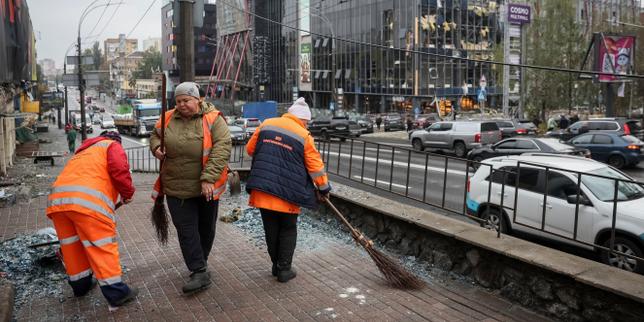
Think about what that does to recovery math. You can patch a line in hours if a crew has safe access and a spare part on a truck. You can't fix a damaged substation quickly if repair teams face drone threats on the road or if heavy equipment is scarce.
Here's a reality check on a common misconception. People often hear "eleven oblasts hit" and picture every single home in those regions going pitch-black for weeks. That's not how grid operations work in practice. Operators isolate damaged segments, reroute electricity where lines still hold, and rotate blackouts so hospitals, water pumps, and heating stations get priority. Still, rolling outages lasting hours at a time—or sudden drops affecting hundreds of thousands of people in a single oblast after heavy overnight hits—wear down families and businesses fast.
Why Winter Makes Every Strike Hit Harder
Warm-weather power cuts are an annoyance. Sub-zero power cuts are a survival problem.
Heating in Ukraine depends heavily on electricity and district heat networks that rely on electric pumps and boilers to push hot water through city pipes. Even if a boiler has fuel, a tripped substation or local outage can stall circulation before apartments cool down.
Look back at the scale of the campaign leading into late autumn 2026. A study published by Green Deal Ukraine counted 2,147 strikes on energy facilities between July 16 and October 17, 2026 alone. That kind of sustained attrition means many transformers and switching yards aren't starting fresh—they're running on prior patch jobs, rerouted loops, and tight reserves.
Let's be honest about what sounds good on paper versus what holds up in the field. Decentralized solar panels and small backup generators help homes, clinics, and shops keep basic lights or routers running. Honestly, they can't replace gigawatt-scale transmission lines and major substations when winter demand peaks across eleven oblasts at once. Micro-generation buys time and comfort; bulk high-voltage gear moves heavy industrial and city-wide power.
There's also a real limits problem with air defense. According to ACLED's November 2026 assessment, shortages of interceptor missiles and restrictions affecting Starshield satellite communications have made it tougher for Ukrainian defenders to intercept fast-moving drones and missile salvos consistently. When every interceptor counts, defenders have to make agonizing choices over which cities, power hubs, and military sites get covered first.
What Happens Next for Grid Repairs and Winter Survival
Nobody can give you a neat prediction of when the strikes will stop, and pretending otherwise would be dishonest. Data on exact equipment inventories and real-time repair rates is partly restricted for security reasons, and battlefield dynamics shift week to week.
Still, you can watch a few concrete indicators to see how well the grid is holding up after large overnight strikes:
- Speed of emergency restoration: Track whether outages in hit oblasts shift from multi-day blackouts to scheduled rotating schedules within 24 to 72 hours.
- Targeting of repair logistics: Watch reports on whether strikes hit substations alone or also target utility vehicles, rail links, and repair depots that move spare parts.
- Cross-border power imports and equipment deliveries: Pay attention to grid interconnect support from neighboring European states and deliveries of high-voltage transformers and mobile substations.
- District heating continuity: Look at municipal updates on central heating plants and water pumping stations, since cold weather turns an electricity issue into a heating emergency fast.
If you're following these updates to understand the humanitarian stakes or to prepare for winter disruptions on the ground, focus less on raw headline counts and more on those four signals. Multi-oblast overnight strikes show how hard Russia is pushing to strain the grid before deep winter—and how much daily resilience depends on the crews keeping damaged lines stitched back together under pressure.