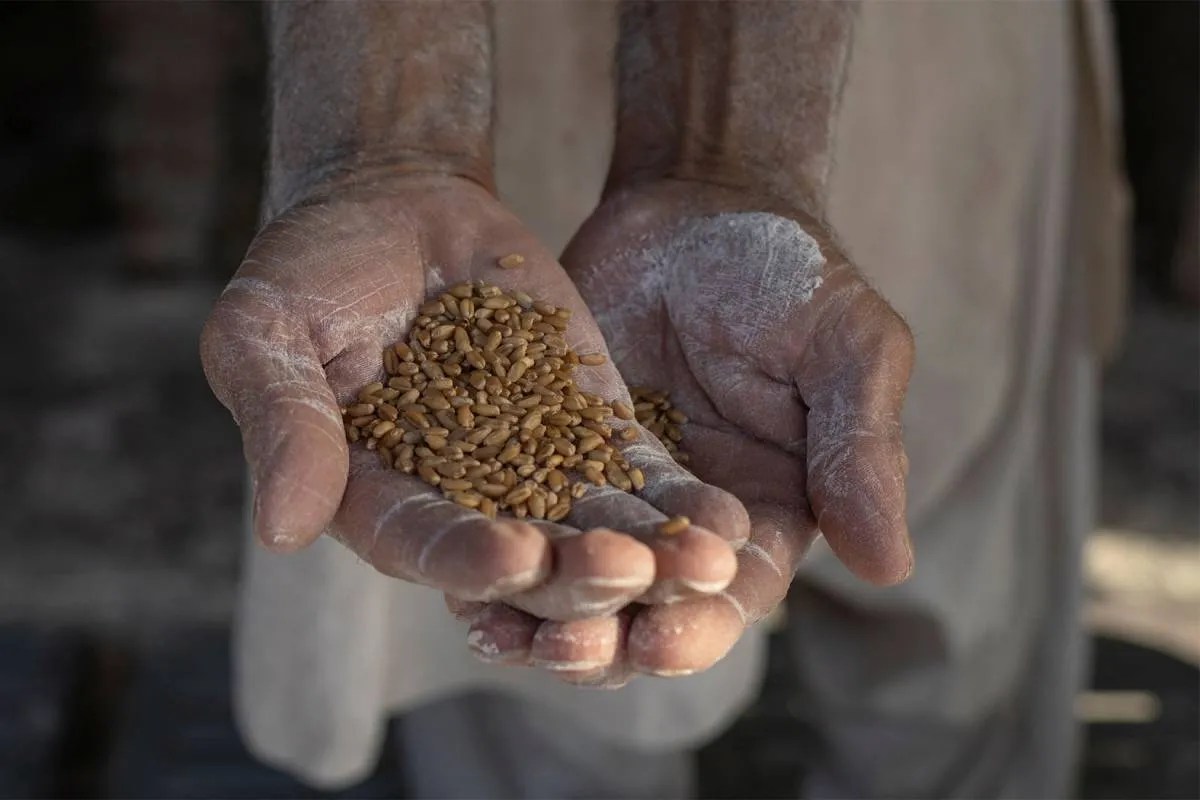
People in Rawalpindi and Islamabad are standing in long queues just to buy a basic bag of flour. This isn't a sudden natural disaster. It's a man-made mess caused by sudden bureaucratic decisions. The recent government move to cancel flour mill permits has choked the supply chain, leaving the twin cities scrambling for daily bread.
If you're wondering why a country with massive agricultural lands can't manage its wheat supply, you aren't alone. The issue isn't a lack of wheat grain. The problem stems from terrible management, sudden policy shifts, and political games between provincial departments. When the government abruptly cancels permits for local flour mills, the entire distribution system collapses overnight.
The Real Reason Behind the Cancelled Permits
The food department usually claims these sudden cancellations are part of a crackdown on hoarding and smuggling. They want people to believe they're targeting corrupt mill owners who hide wheat to manipulate prices. While hoarding definitely happens, the timing and execution of these permit cancellations suggest a different story.
Local administrations often use permit cancellations as a blunt tool to control inter-district wheat movement. Punjab provides most of the wheat for Rawalpindi and Islamabad. When the Punjab Food Department decides to tighten its grip on wheat stocks, it cancels the permits of mills supplying outer regions. They want to ensure their own local quotas look good on paper, regardless of how it impacts neighboring cities.
Mill owners argue that the sudden cancellations leave them with thousands of tons of unprocessed grain and unpaid bills. They can't grind wheat, they can't pay their workers, and they certainly can't send flour to the markets. It is a classic bureaucratic knee-jerk reaction that punishes the consumer more than the actual hoarders.
How the Twin Cities Got Caught in the Crossfire
Rawalpindi and Islamabad rely heavily on external supply chains for food security. Islamabad doesn't have vast agricultural fields. Rawalpindi has mills but depends on wheat allocations from the wider Punjab province. When the administrative machinery shuts down the permits, the supply line breaks instantly.
Market dynamics show how fragile this system is. Retailers in Commercial Market, Saddar, and various sectors of Islamabad reported a near-total stoppage of flour deliveries within forty-eight hours of the permit cancellations. Small grocery stores ran out of twenty-kilogram bags almost immediately.
What happens next is entirely predictable. As official supply dries up, the black market thrives. Private dealers begin smuggling flour across district lines under the cover of night, selling it at double the government-regulated price. The poor and middle-class families bear the brunt of this policy failure. They either spend hours waiting in lines at subsidized trucks or pay exorbitant rates to private sellers.
The Flawed Subsidy System That Breaks Every Year
The government loves to announce billions of rupees in wheat subsidies. They think throwing money at the problem fixes the structural rot. It doesn't. The subsidy tracking system is broken, and everyone in the industry knows it.
Government-subsidized wheat is supposed to go directly to designated mills, which then grind it and sell it at fixed rates to citizens. Instead, a huge portion of this subsidized wheat gets diverted. Some mills take the cheap government wheat and sell it directly to private poultry farms or private bakers at market rates. They pocket the difference without ever producing the cheap flour meant for the public.
When the government detects this leakage, their immediate response is to cancel permits across the board. They use a sledgehammer instead of a scalpel. Instead of auditing the specific corrupt actors, they freeze operations for dozens of mills, instantly triggering a massive market shortage.
Why Administrative Crackdowns Never Fix the Root Issue
Every time a flour crisis hits Pakistan, the television screens fill with images of assistant commissioners raiding mills and sealing warehouses. It looks great for political optics. It makes the public think the administration is working hard to protect them.
In reality, these raids do almost nothing to stabilize prices or supply. Sealing a mill means that mill stops producing flour. If a mill is locked up by the government, its daily output drops to zero. That means fewer bags of flour hitting the shelves the next morning.
The administration fails to understand basic market economics. You cannot fix a supply shortage by shutting down production facilities. If a mill is violating rules, fine the owners or take over the distribution of their existing stock. Shutting the gates entirely just speeds up the panic buying among citizens.
What Needs to Happen to Stabilize the Markets
The current strategy of managing food supply through administrative force is failing miserably. To prevent Rawalpindi and Islamabad from facing these regular food scares, the entire approach to wheat management needs a complete overhaul.
First, district administrations must stop interfering with the free movement of agricultural commodities. Treating district borders like international frontiers only helps smugglers and corrupt officials who demand bribes at checkpoints. Wheat should flow freely to where the demand is highest.
Second, the permit system needs to be fully digitized and transparent. Right now, getting or keeping a milling permit depends far too much on the whims of local food controllers. A transparent system would show exactly how much wheat a mill receives, how much it grinds, and where that flour is shipped. This would make it impossible for officials to cancel permits arbitrarily without clear, publicly visible evidence of wrongdoing.
Finally, the government must phase out the broken subsidy model and replace it with direct cash transfers to poor families. Instead of subsidizing the commodity, which allows millers and officials to siphon off billions, give the money directly to the citizens who need it through programs like the Benazir Income Support Programme. This allows people to buy flour at market prices, removes the incentive for smuggling, and keeps the mills running without bureaucratic interference.
If the local authorities continue down this path of sudden bans and arbitrary cancellations, the lines at the flour trucks will only grow longer. The administration needs to realize that true food security comes from consistent policy and open markets, not from administrative orders signed in a distant office. Buyers need reliable access to food, and that requires keeping the mills running, not shutting them down.