Geopolitics doesn't care about your economic crisis. Pakistan wants nothing more than to look inward, fix its bleeding economy, and stop the domestic political chaos shaking Islamabad. Instead, it finds itself trapped in a high-stakes diplomatic balancing act right on its western border. The eruption of the 2026 U.S.-Iran war didn't just destabilize the Middle East; it dragged Pakistan directly into the crossfire, turning a volatile neighbor into an unavoidable security nightmare.
If you think Islamabad can just play the neutral observer and sit this one out, you don't understand the region. Learn more on a similar topic: this related article.
Pakistan shares a jagged, 900-kilometer border with Iran. It relies on the Gulf for 90 percent of its oil. It is bound by a 2025 strategic defense pact with Saudi Arabia. When joint U.S.-Israeli airstrikes hit Iran earlier this year, the shockwaves rattled Pakistan's domestic stability instantly. Protests erupted in Karachi, sectarian fault lines tightened, and the economy took a massive hit as global oil prices surged. Islamabad tried to position itself as a master mediator, successfully brokering an initial June 17 ceasefire. But that truce has collapsed, the Strait of Hormuz is a battleground, and Pakistan's diplomatic leverage is wearing thin.
The reality is simple. Pakistan's Iran problem isn't a temporary crisis. It's a permanent structural trap. Additional journalism by Reuters explores related perspectives on the subject.
The Illusion of the Neutral Mediator
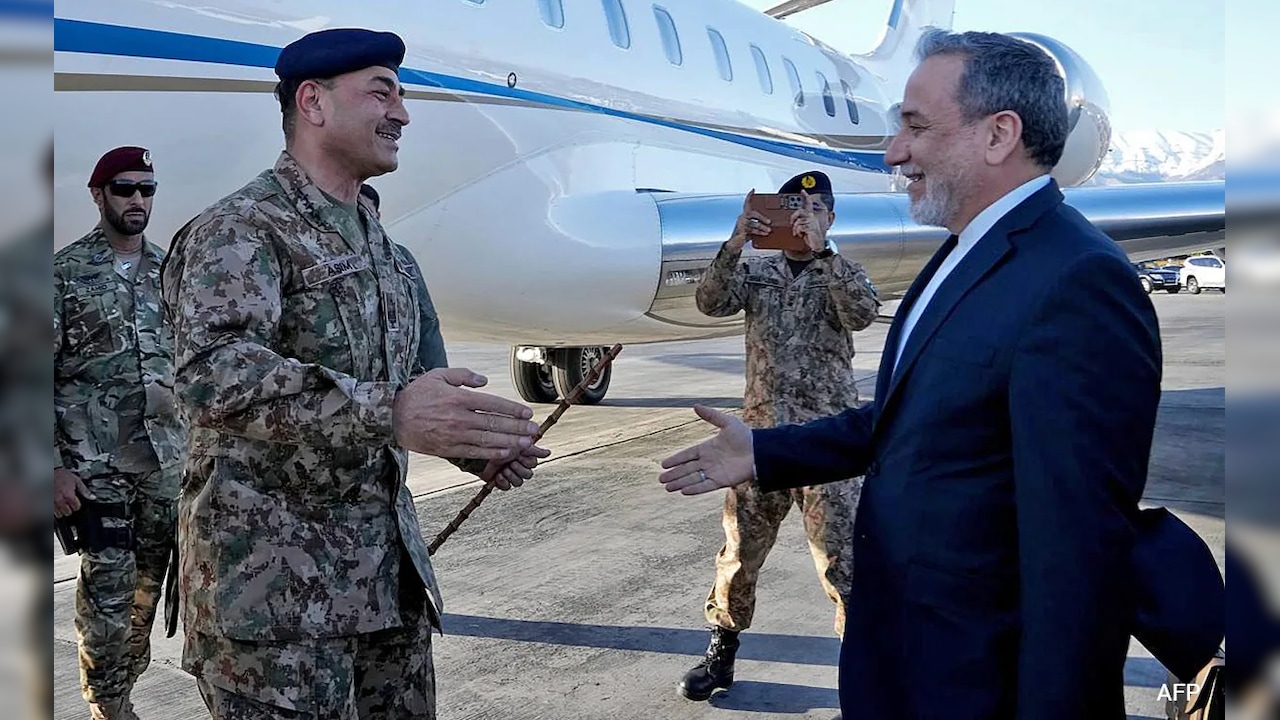
When the war broke out in late February, Pakistan's Ministry of Foreign Affairs rushed to declare official neutrality. It condemned the Western strikes on Iran while simultaneously condemning Iranian retaliatory strikes on the Gulf states. On paper, it looked like a classic diplomatic hedge. Islamabad even managed to get both Washington and Tehran to the table for the Islamabad Talks in April, aiming for a long-term memorandum of understanding.
But geography isn't the same thing as diplomatic clout.
Pakistan's mediation efforts weren't driven by deep bilateral trust; they were born out of absolute desperation. Tehran knows that Pakistan has historically carried deep baggage regarding cross-border militancy and sectarian proxies. More importantly, Iran looks at Pakistan's financial dependence on Washington and its military ties with Riyadh and sees a mediator that is anything but neutral.
The diplomatic runway ran out when the fighting resumed over control of the Strait of Hormuz. Iran used its ultimate leverage to disrupt maritime traffic, choking off the very energy supplies Pakistan needs to survive. Despite recent statements from Foreign Ministry spokesperson Tahir Andrabi insisting that peace efforts aren't dead, the truth is that Pakistan's hand is weak. You can't sustainably market yourself as a regional peace guarantor when your own backyard is structurally fragile.
The Saudi Defense Trap
What makes the Iranian dilemma so dangerous for Pakistan is the secret clock ticking in Riyadh. In September 2025, Pakistan signed a Strategic Mutual Defence Agreement with Saudi Arabia. The pact views aggression against one as aggression against both. At the time, it was praised as a major win for Pakistani-Gulf alignment. Now, it looks like a tripwire.
The situation escalated dramatically when Yemen's Iran-aligned Houthis launched missile attacks against Saudi Arabia, furious over a kingdom-led airport bombing. Suddenly, Pakistan's theoretical defense commitments became terrifyingly real.
- Troops on the Border: Pakistan has thousands of soldiers and a squadron of fighter jets actively deployed inside Saudi Arabia.
- Direct Exposure: These troops are stationed near the Saudi-Yemen border, placing them right in the line of fire if the Houthi conflict widens.
- The Mandate Dilemma: While the 2025 pact doesn't trigger an automatic military invasion of a third country, a direct, sustained attack on Saudi infrastructure forces Islamabad into a corner.
If Saudi Arabia demands direct military intervention under the terms of the pact, Pakistan faces a lose-lose choice. Refuse, and it permanently breaks its relationship with its biggest financial benefactor. Comply, and it enters a direct shooting war with Iran, turning its 900-kilometer western border into an active front line.
Domestic Fractures and Dark Fleets
The crisis isn't just external. The war has exacerbated Pakistan's internal vulnerabilities, forcing the state to take drastic measures at home. When the conflict caused immediate energy shortages, the government had to implement a mandatory four-day workweek and shut down educational institutions just to keep the lights on. The navy had to launch Operation Muhafiz-ul-Bahr just to escort commercial merchant ships and protect the country's vital sea lines.
Then there's the issue of sanctions busting. While Pakistan officially tries to stay in Washington's good graces, its ports in Karachi and Gwadar have quietly become logistics lifelines for third-country cargo bound for Iran. Opening these land routes keeps basic goods flowing into Iran, but it risks triggering secondary U.S. tariffs and banking sanctions that Pakistan's fragile economy simply cannot afford.
Worse, the internal sectarian dynamics are a tinderbox. The country's Shia population is watching the U.S.-led campaign against Iran with growing anger. Early in the conflict, mass protests outside the U.S. Consulate in Karachi turned lethal when security forces opened fire, killing ten people. Curfews in northern regions like Gilgit-Baltistan highlight how quickly a foreign war can trigger local civil unrest. Prime Minister Shehbaz Sharif has begged local religious scholars to counter divisive sectarian narratives, but words don't change the underlying tension.
The Immediate Playbook for Islamabad
Pakistan cannot wish this problem away, nor can it rely on the hope of a quick U.S.-Iran diplomatic breakthrough. To avoid being crushed by this regional meat grinder, Islamabad needs to shift from reactive damage control to a hard-nosed, survivalist strategy.
First, it must establish an explicit, back-channel red line with Tehran regarding Houthi targets. Pakistan needs to make it clear to the Iranian leadership that while Islamabad will remain neutral in the direct U.S.-Iran theater, any Houthi strike that directly casualties Pakistani troops stationed in Saudi Arabia will break that neutrality.
Second, the military needs to quietly re-station its forces inside the Saudi kingdom away from the southern border zones. Reducing direct tactical exposure to Houthi missile paths is the quickest way to prevent an accidental trigger of the 2025 defense pact.
Finally, Pakistan must strictly formalize its third-country transit trade to Iran. Allowing unvetted cargo to move from Karachi to the border invites a hammer blow from the U.S. Treasury. Implementing rigid, transparent manifests ensures that Pakistan can maintain its economic neighborliness with Tehran without giving Washington an excuse to cut off its IMF lifelines.
The luxury of choice is gone. Islamabad is tethered to Iran by geography and tied to the Gulf by treasury. Navigating the 2026 war isn't about scoring diplomatic points anymore; it's about basic state survival.
For a deeper dive into the geopolitical shifts affecting Islamabad's strategic calculations, check out this breakdown of US-Pakistan Relations and Regional Friction, which provides essential context on how the country's internal political dynamics influence its fragile foreign policy.
http://googleusercontent.com/youtube_content/1