The ground is shifting under Islamabad feet, and no amount of internet blackouts or state-sponsored messaging can cover up the cracks anymore. For decades, the narrative surrounding Pakistan-occupied Jammu and Kashmir (PoJK) was tightly controlled by the Pakistani state. It was painted as a region standing in lockstep with Islamabad. That illusion has shattered completely.
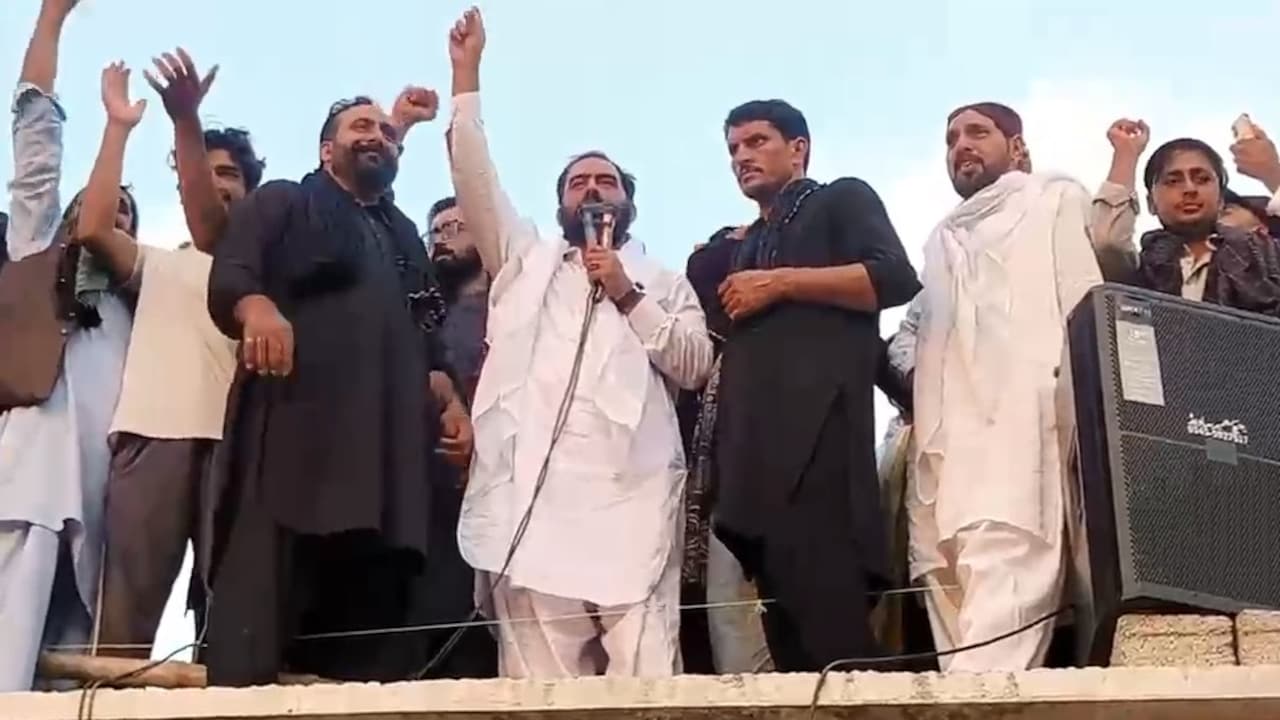
Right now, a humanitarian and political crisis is boiling over in the region. Unarmed protesters are being met with live ammunition. Entire towns are placed under severe economic and physical blockades. Prominent political activists, like Amjad Ayub Mirza, are openly screaming for international intervention and a merger with India. This is not a minor law-and-order hiccup. It is a fundamental rejection of Pakistani governance by the very people Islamabad claimed to champion.
The Myth of Solidarity Explodes
Every year, Pakistan stages orchestrated events to project a unified stance on Kashmir. But the local population is telling a completely different story. The current unrest, spearheaded by the Jammu and Kashmir Joint Awami Action Committee (JKJAAC), marks a definitive breaking point.
What started as protests over skyrocketing wheat prices, inflated electricity bills, and a lack of basic political rights has evolved into a full-blown rebellion against colonial-style administration.
Islamabad responded the only way it knows how: brute force. Over 20 people were killed in a single week during brutal police crackdowns in Rawalakot and Muzaffarabad. Local activists state the actual death toll has cleared 100, with security forces firing directly into peaceful sit-ins.
The state has even weaponized medical care. The Combined Military Hospital (CMH) in Rawalakot is under total military control. Families trying to claim the bodies of their loved ones are reportedly forced to sign documents labeling the deceased as "terrorists" before the hospital releases them. Those who show up at clinics with bullet wounds are routinely picked up and subjected to enforced disappearances.
An Economic Siege and the Second Invasion
This isn't just a political crackdown; it's an artificial famine in the making. Pakistani authorities have cut off supply lines, imposing a strict economic blockade on towns that refuse to yield. Food, medicine, and water supplies are being intentionally restricted to starve out protesters who have held dharnas for over three weeks.
Surveillance drones hover constantly over civilian gatherings while internet blackouts ensure that local voices struggle to reach the global stage.
Activists are rightly calling this the "second invasion" of Jammu and Kashmir. The first occurred on October 22, 1947, when tribal raiders backed by the Pakistani military crossed the borders. This current campaign, which intensified dramatically throughout June and July, looks and feels like an occupying army treating a civilian population as the enemy.
Why the World and India Must Pay Attention
India's Ministry of External Affairs has taken a sharp, uncompromising stance, calling out Pakistan's severe police brutality and demanding global accountability. For too long, the international community looked away, treating the region as a bilateral territorial dispute while ignoring the systematic stripping of human rights on the ground.
Amnesty International recently slammed the Pakistani government for unlawfully banning the JKJAAC and suppressing peaceful political dissent. But statements aren't enough when thousands of political workers are sitting in jail cells without trial.
The upcoming local assembly elections, scheduled for late July, are already a dead letter. The public sentiment on the ground is an overwhelming boycott. People are refusing to vote for what they openly call a puppet assembly that serves only to rubber-stamp orders from Rawalpindi.
The Real Choice Moving Forward
The old status quo is dead. The people of PoJK are no longer asking for minor subsidies on flour; they're questioning the legitimacy of the occupation itself. When local leaders openly advocate for a merger with India or the formation of a government-in-exile, the geopolitical map of South Asia faces an inevitable rewrite.
If you want to understand the reality of this crisis away from state-controlled media, watch how the global diaspora reacts. Massive protests are hitting the streets of London and other major European hubs to pressure international bodies to intervene against the economic siege.
Keep a close eye on the border regions over the coming weeks. The tension isn't going away, and the local population has made it clear they won't back down, even in the face of live ammunition.