Geopolitics rarely involves black and white fur, yet international relations often hinge on creatures that spend half their day chewing stalks. When two giant pandas boarded a flight bound for the Atlanta zoo following a high-stakes summit between Xi Jinping and Donald Trump, mainstream media outlets framed it as a charming diplomatic gesture. That framing misses the entire apparatus of modern animal diplomacy. Zoo enclosures in Western institutions are not just exhibits for curious families on weekend afternoons. They are carefully calibrated instruments of statecraft, economic negotiation, and cultural management orchestrated by Beijing.
For decades, the loan of a giant panda served as a clear indicator of diplomatic alignment. If a government received a pair of these bears, relations were thawing. If pandas were recalled or denied, tensions were rising. Over time, this transactional exchange evolved into a sophisticated commercial leasing arrangement. Zoos in the United States do not simply receive animals as gifts of goodwill. They pay millions of dollars in annual fees to the China Wildlife Conservation Association. These funds ostensibly flow back into conservation research and habitat protection in Sichuan province, but they also maintain a steady stream of revenue and soft power influence for the host nation.
The Atlanta transfer arrived at a moment when bilateral ties between Washington and Beijing faced severe structural friction. Trade tariffs, technology restrictions, and geopolitical posturing over regional security created a frosty climate. In rooms where diplomats struggled to find common ground on semiconductor supply chains or maritime boundaries, giant pandas provided a convenient diplomatic off-ramp. Announcing a panda transfer allows leaders to signal cooperation to the domestic public without making substantive concessions on core policy disagreements. It is low-risk theater with high emotional return.
Look closely at the mechanics of these agreements and the underlying financial commitments become apparent. A typical agreement requires hosting institutions to build specialized habitats costing tens of millions of dollars, complete with climate control systems, veterinary laboratories, and dedicated bamboo supply chains imported from specific regions. On top of capital expenditures, annual lease payments routinely exceed one million dollars. Furthermore, any cub born during the term of the agreement remains the property of the Chinese state, scheduled for repatriation once they reach maturity.
Critics argue that this arrangement amounts to renting wildlife to offset diplomatic deficits. Conservation biologists have occasionally questioned whether the astronomical sums spent maintaining captive breeding pairs in Western urban centers might achieve better outcomes if directed entirely toward wild habitat preservation in mountainous regions of China. Yet, the populist appeal of the animals remains unmatched. Attendance spikes immediately following the arrival of a new pair, generating vital ticket sales and merchandise revenue for the host zoos, which rely on these spikes to balance their operational budgets.
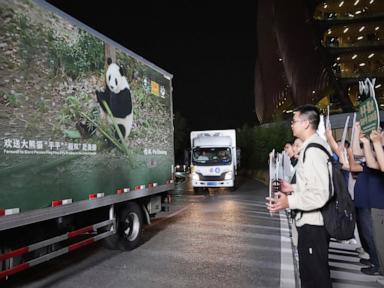
The journey from Chengdu to Atlanta involves meticulous logistical planning that mirrors the movement of high-value cargo or diplomatic personnel. Specialized crates, veterinary escorts, pressurized cargo holds, and customs clearance procedures designed to bypass typical bureaucratic delays are standard protocol. Hundreds of kilograms of fresh bamboo accompany the animals to prevent digestive distress during the transpacific flight. Every variable is accounted for, except for one: the shifting winds of political expediency.
When these bears step out of their transport crates into American holding facilities, they enter a fishbowl of public scrutiny and political symbolism. Every interaction is broadcasted, analyzed, and interpreted by pundits looking for hidden meanings in diplomatic tea leaves. Yet, the bears remain blissfully unaware of the trade wars, tariff negotiations, and geopolitical chess matches played out around their enclosures. They continue their ancient routine, indifferent to the fact that their existence in a foreign land serves as a temporary bridge across an otherwise unyielding diplomatic divide.
The plane has landed, the enclosure gates are secured, and the crowds have gathered behind the glass. The summit has concluded, press releases have faded from the headlines, and the hard work of managing competing global superpowers continues behind closed doors. Meanwhile, two bears sit quietly in the Georgia humidity, chewing on imported bamboo, bearing the quiet weight of an empire's soft power strategy.