Ink dries fast in the desert heat. Faster still are the promises written upon it.
Picture Tariq, a retired logistics officer whose knuckles still ache when the shamal winds blow from the north. For thirty years, he watched the horizon from a concrete outpost near the Strait of Hormuz, tracking the rhythmic hum of cargo ships and the sharper, more erratic signatures of regional friction. To Tariq, security was never a rhetorical exercise. Security was the thickness of a bunker wall, the reliability of a satellite uplink, and, above all, the quiet certainty that when the sirens wailed, an ally would not merely check their watch. For a different view, check out: this related article.
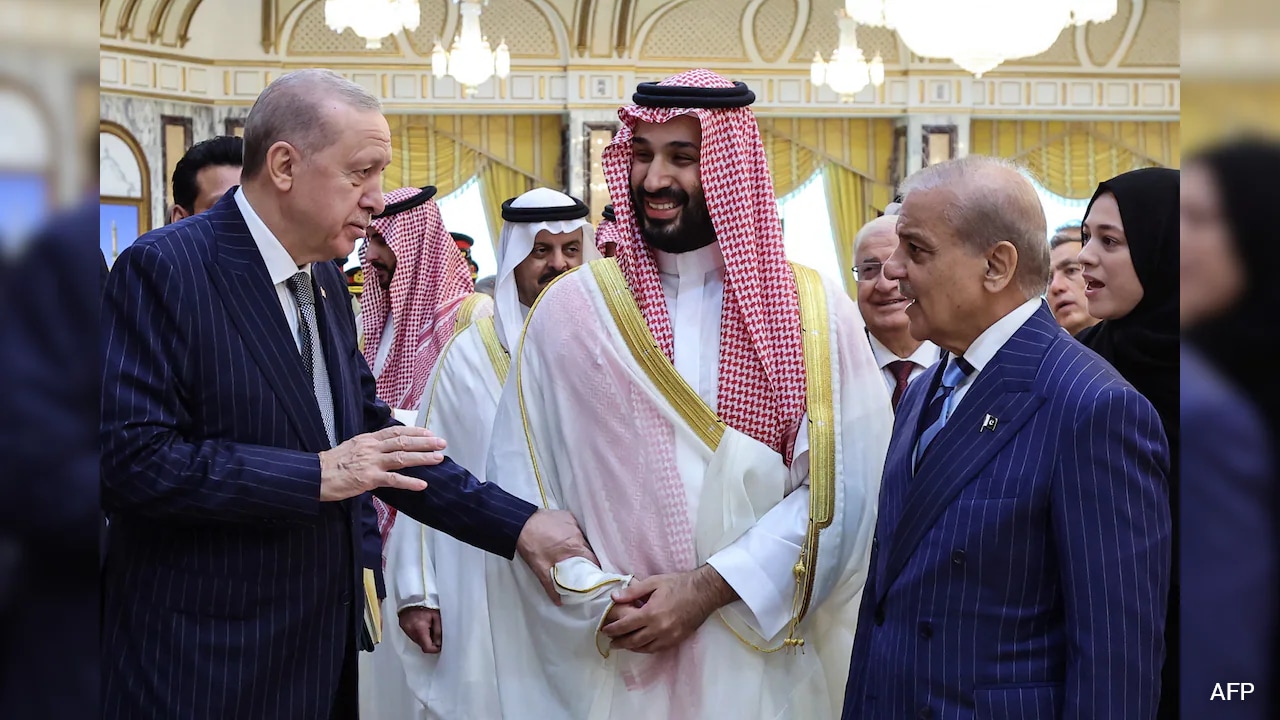
Today, Tariq looks at the Gulf's newest multilateral defense architecture and feels a cold familiar weight in his chest. Another pact. Another round of handshakes beneath crystal chandeliers. Another document promising collective deterrence across waters that carry a significant fraction of the planet's energy.
The ink is fresh. The credibility, however, is already evaporating. Related reporting on this trend has been provided by The Washington Post.
The Arithmetic of Deterrence
Deterrence is not a mood. It is a mathematical equation balanced on two variables: capability and will.
When a superpower signs a regional defense agreement, the math seems simple on paper. Combine advanced anti-missile batteries, shared radar data, and interoperable naval patrols, and you create an impenetrable dome. Except, equations in geopolitics rarely account for human hesitation.
Consider a hypothetical crisis at dawn. A barrage of unmanned aerial vehicles streaks toward a desalination plant on the Arabian Peninsula. The warning systems scream. The radar tracks the arcs. In a truly credible defense system, the response is automatic, absolute, and indifferent to political polling numbers six thousand miles away.
That is where the Gulf's new agreement stumbles.
Look closer at the text of these recent accords. They speak grandly of cooperation, consultation, and capacity-building. They do not speak of automatic triggers. They do not define an attack on one as an irrevocable attack on all in the uncompromising manner of Article 5. Instead, they offer a mosaic of vague assurances, leaving room for capitals far away to hesitate, debate, and dilute their response while the smoke still rises from the harbor.
An alliance built on strategic ambiguity is like a bridge constructed of dry pine. It looks impressive from a distance, but the moment real weight rolls across it, the wood groans and snaps.
The Ghost of Past Commitments
We have lived through this script before. Trust in international security architecture in the Middle East has suffered death by a thousand paper cuts.
For decades, regional capitals operated under a security umbrella that felt permanent until it shifted. When oil tankers were harassed, when facilities were struck by asymmetric threats, the response was often measured in stern communiques rather than decisive kinetic action. Leaders in Riyadh, Abu Dhabi, Doha, and Manama noticed. They kept score. They realized that waiting for a distant partner to decide whether a regional skirmish met the threshold of vital national interest was a dangerous gamble.
So, they began diversifying. They opened diplomatic channels with historical rivals. They purchased defense hardware from multiple continents, stitching together a patchwork defense that prioritizes sovereign autonomy over external reliance.
That context exposes the core flaw of this new defense pact. It arrives at a moment of profound regional pragmatism. The signatories are no longer wide-eyed innocents looking for a savior. They are hard-nosed realists looking at the text and asking a blunt question: When the night gets dark, will you actually answer the phone?
Right now, the agreement lacks a mechanism to answer that question with a definitive yes.
The Anatomy of Doubt
Credibility is an invisible currency. It takes decades to accumulate through blood, consistency, and steadfastness, and it can be squandered in a single afternoon of diplomatic foot-dragging.
When regional defense pacts rely heavily on declarations rather than integrated, blood-and-iron commitments, they invite testing. Adversaries are remarkably sophisticated connoisseurs of hesitation. They probe the edges of agreements, looking for the seams where political will frays. If a pact's signatories cannot agree on who commands, who pays, and who automatically retaliates, those seams become gaping wounds.
Imagine the control room during a midnight alert. Screens flash amber and red. Analysts shout coordinates. In the old days, everyone knew exactly whose finger was on the trigger. Under this new framework, officers are forced to pause and consult legal frameworks, diplomatic provisos, and escape clauses written into the fine print.
In modern warfare, a pause is fatal.
The Search for Real Ground
To fix this, the architects of the agreement would need to embrace a level of discomfort that politicians typically despise: absolute clarity.
Clarity means spelling out red lines that leave no room for diplomatic maneuvering. It means stationing troops not as symbolic tripwires, but as integrated components of a joint defense grid where an attack on a local soldier is legally indistinguishable from an attack on a foreign one. It means moving away from transactional diplomacy and toward structural integration.
Until that happens, the agreement remains what it is: a diplomatic palliative. It soothes anxieties in the short term, but it cures nothing.
Back in his coastal home, Tariq turns off the television news broadcast showing leaders shaking hands over leather-bound folders. He looks out at the dark, restless water where the tankers glide past under the starlight. He knows that peace is never preserved by the beauty of the prose on a treaty. It is preserved only when those who wish to disrupt the peace know, beyond a shadow of a doubt, that the shield is real, the sword is sharp, and the hand holding it will never let go.
The wind rattles the windowpane. Out on the horizon, the sea remains silent, waiting for an answer.