Hollywood merger battles are getting ugly. David Ellison's Paramount Skydance just filed a motion demanding that a coalition of twelve state attorneys general and the Writers Guild of America fork over a staggering $1.88 billion bond.
If you are wondering how state regulators can be held financially responsible for a corporate transaction, you are not alone. This high-stakes legal maneuver centers on the mounting costs of delayed corporate tie-ups and the controversial mechanics of ticking fees. Let's break down what is actually happening behind the headlines. If you liked this piece, you might want to read: this related article.
The Cost of Waiting in Hollywood
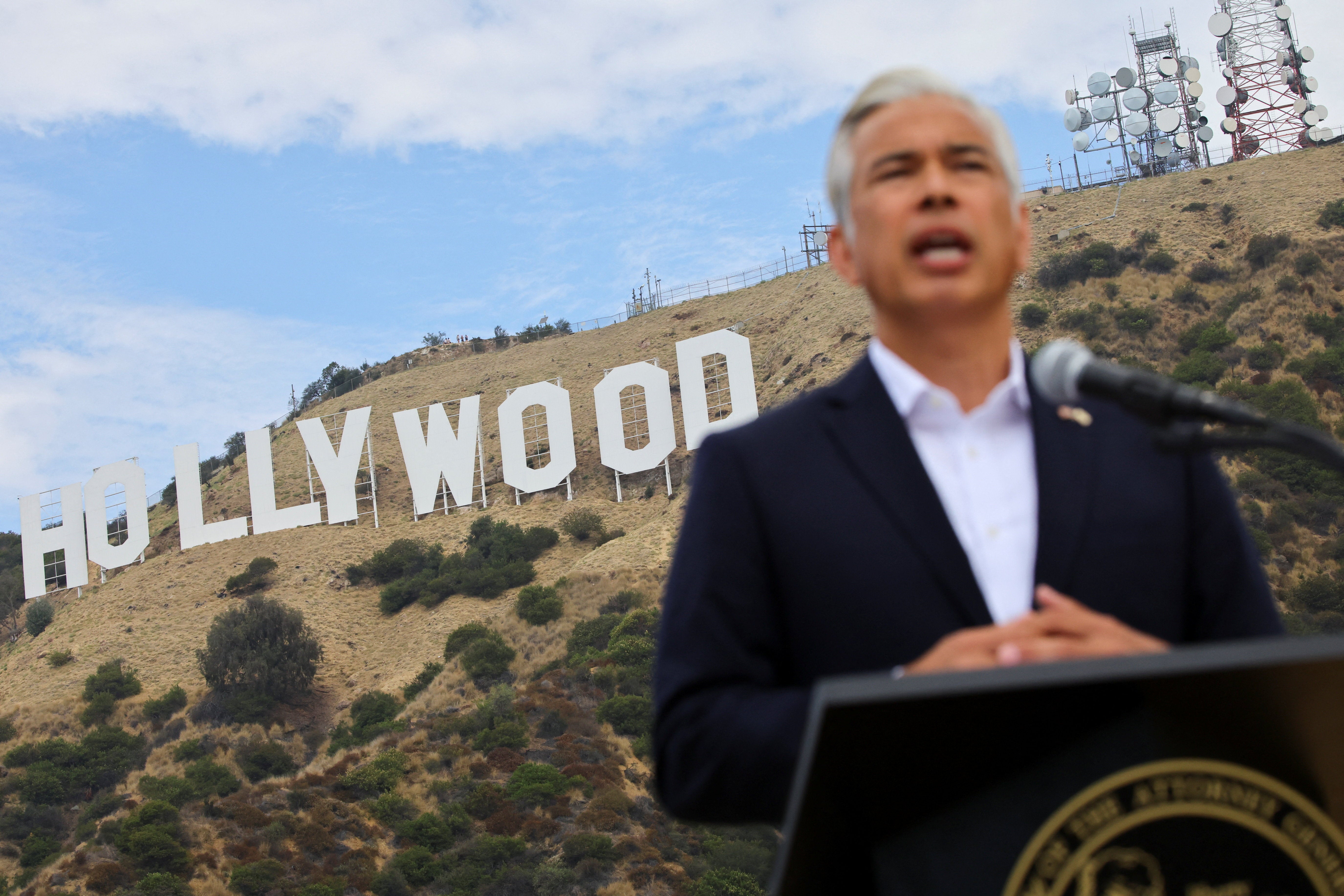
Paramount agreed to acquire Warner Bros. Discovery in an enormous $111 billion transaction. Regulatory bodies across sixty-eight global jurisdictions already gave the green light. But domestic roadblocks appeared in July when a coalition led by California Attorney General Rob Bonta filed an antitrust lawsuit to block the mega-deal. The Writers Guild of America joined the fight, arguing that combining these entertainment giants will crush competition, reduce content variety, and jeopardize industry jobs.
Instead of pushing immediately for a preliminary injunction hearing, Paramount agreed to pause the acquisition until a trial concludes. That trial is currently scheduled for March 2027. For another look on this development, see the recent coverage from Business Insider.
Here is where the financial bleeding starts. Under the original merger agreement, Paramount committed to "ticking fees" starting on September 30. These terms require Paramount to pay Warner Bros. Discovery shareholders an extra 25 cents per share every quarter that the deal remains unclosed. That amounts to roughly $650 million per quarter, alongside millions more in incremental financing costs.
By the time the court reaches a verdict in mid-2027, Paramount estimates it will have shelled out roughly $1.3 billion in unrecoverable ticking fees alone.
Why Paramount is Demanding a Bond Now
Paramount's latest legal filing in the U.S. District Court in Oakland points directly to the Clayton Antitrust Act. The company argues that federal law requires plaintiffs who secure court orders delaying a transaction to post a security bond. The logic is simple: if the plaintiffs lose their lawsuit, the defendant needs a designated source of recovery for damages caused by the delay.
Paramount wants the plaintiffs to post the $1.88 billion by September 30. If they fail to do so, Paramount aims to dissolve the court-ordered pause and push forward with closing the acquisition.
The Legal Hurdle Ahead
Getting a federal judge to agree to a billion-dollar bond against state regulators is an uphill battle. Earlier in the case, U.S. District Judge Araceli Martinez-Olguin waived the bond requirement. The rationale was that state attorneys general are public entities enforcing public interests rather than private corporate raiders.
Critics of Paramount's motion view it as an aggressive pressure tactic rather than a realistic legal expectation. Expect intense arguments during the upcoming federal court hearing as state lawyers push back against bearing the financial brunt of private contract terms.
Watch how Judge Martinez-Olguin handles the September 30 deadline. If the court denies the bond request, Paramount will keep footing the multi-million-dollar daily bill while waiting for March 2027. If the court grants it, state regulators face an unprecedented financial barrier to antitrust enforcement.