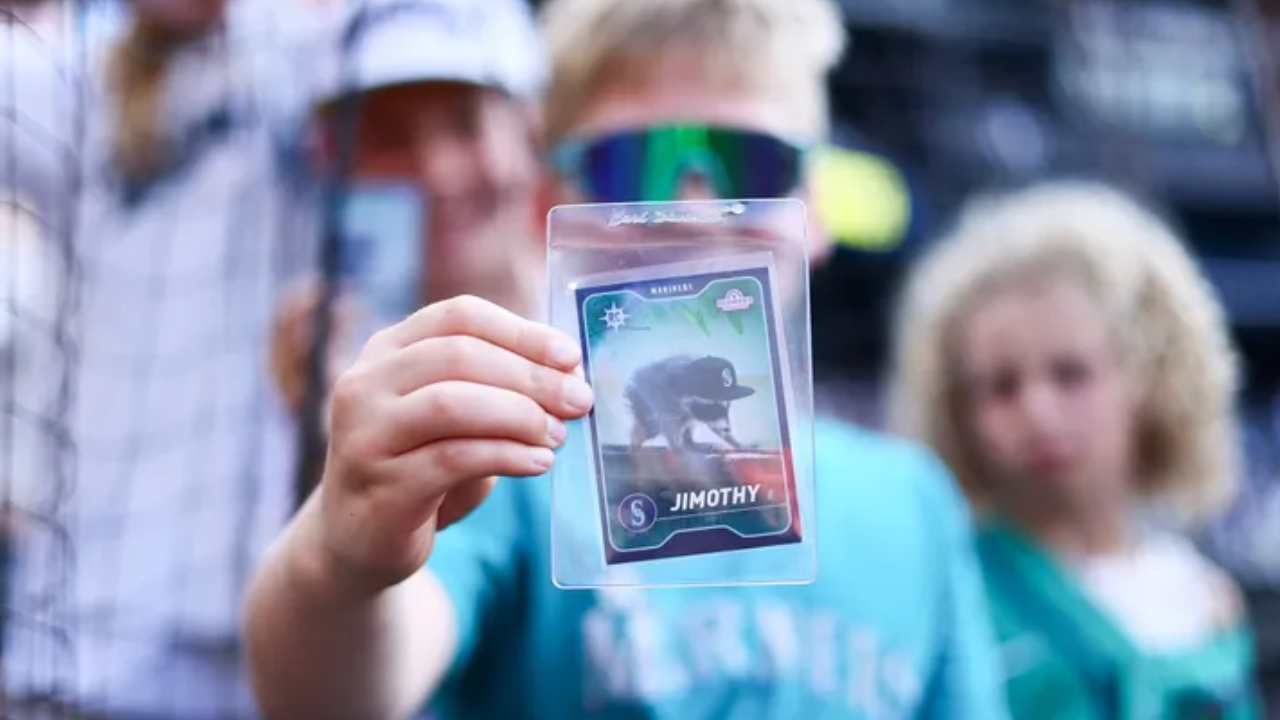
Twenty thousand, one hundred dollars. That's what a single piece of cardboard with a cartoon character on it just went for at auction.
If you aren't paying attention to the modern collectibles market, the Jimothy card auction probably sounds like peak internet absurdity. A rare Jimothy card sold for $20,100, and the proceeds are reportedly earmarked to help fund Abby's college tuition. It's a feel-good headline that instantly went viral across social media feeds. Yet most of the hot takes surrounding the sale completely miss what's actually driving these five-figure price tags.
People love to mock niche trading card booms until they see the receipts. When an item like the Jimothy card clears $20,100, casual observers immediately cry "bubble" or assume money laundering is involved. They're wrong on both counts. What happened with the Jimothy card auction is a textbook example of hyper-scarcity meeting emotionally invested communities—and it carries real financial lessons for anyone sitting on dusty boxes of memorabilia in their closet.
Why the Jimothy Card Auction Hit $20,100
To understand why someone dropped new-car money on a Jimothy card, you have to stop looking at it as a toy. In the trading card space, value isn't tied to utility. It's tied to provenance, scarcity, and narrative.
First, look at the supply side. Unlike mass-produced cards from the late 1980s and early 1990s—an era collectors call the "junk wax" period because companies printed millions of copies—truly rare modern or creator-driven cards exist in tiny print runs. When only a handful of copies exist in the wild, traditional supply-and-demand curves break down. You don't need ten thousand buyers to push a price into the stratosphere. You just need two wealthy collectors who both refuse to lose an auction.
Then there's the narrative element. Auctions don't happen in a vacuum. When a sale attaches itself to a human story—like helping pay for Abby's college education—the bidding dynamic shifts entirely. Suddenly, buyers aren't just acquiring a scarce asset for their personal vault. They're participating in a public milestone. Philanthropy and collecting have always mixed well at high-end auctions, from charity dinners to specialized online drops, because bidders feel great about stretching their budgets when the money goes toward a tangible, positive goal.
The Psychology of Viral Bidding Wars
Auction platforms thrive on momentum. Once a rare card crosses a psychological threshold—say, $5,000 or $10,000—it stops being a quiet collector transaction and becomes a news event.
That visibility pulls in spectators, content creators, and high-net-worth hobbyists who might not have even known the auction was live a week earlier. The final $20,100 hammer price reflects that compounding attention. Every bid validates the card's status as a cultural artifact rather than just another piece of printed cardstock.
The College Fund Angle Makes This Sale Different
Most viral card sales focus entirely on the buyer's ego or the seller's massive profit margin. Remember when Logan Paul wore a $5.275 million Pikachu Illustrator card into a WrestleMania ring? That was pure spectacle.
The Jimothy card auction hit a completely different nerve because of where the money is headed. Funding Abby's college tuition turns a speculative hobby transaction into a practical life milestone. With the average cost of a four-year university degree in the United States routinely exceeding $100,000 when factoring in tuition, room, and board according to data from the Education Data Initiative, a $20,100 windfall isn't pocket change. That single card covers roughly two years of in-state public tuition at many universities.
Honestly, this is the healthiest side of the collectibles boom. For years, critics argued that the hobby had been ruined by flippers and corporate grading bottlenecks. Seeing a single rare card translate directly into debt-free higher education reminds people why holding onto unique items actually matters.
What Sellers Always Miss About High-Value Cards
If watching the Jimothy card auction makes you want to dig through your childhood bedroom or check your current binder, slow down. Most people leave thousands of dollars on the table because they treat selling a rare card like listing an old blender on Facebook Marketplace.
Here's what actually separates a $200 sale from a $20,000 sale:
- Condition is everything. A microscopic crease, a whitened corner, or slightly off-center printing can slash a card's value by 80% or more. Serious buyers don't guess at condition; they rely on third-party authentication.
- Provenance sells. If a card has a backstory—where it came from, why it's rare, or what the proceeds will support—burying that context in a two-line listing description is a massive mistake.
- Venue matters. Putting a one-of-a-kind collectible on a generic local marketplace guarantees it won't find the two obsessive buyers willing to bid each other up. Specialized auction houses and high-visibility platforms exist specifically to aggregate serious capital.
The Grading Trap Most Beginners Fall Into
You'll often hear advice telling you to send every semi-rare card to PSA (Professional Sports Authenticator), BGS (Beckett Grading Services), or CGC before selling. Don't blindly follow that rule.
Grading costs money, takes weeks or months, and only pays off if the card is genuinely scarce and in near-flawless shape. If you spend $50 to grade a card that comes back a PSA 7 and sells for $45, you just paid to lose money. Always check recent completed sales—not active listing prices—before spending a dime on plastic slabs. Active eBay listings are wishful thinking; completed "Sold" listings are reality.
Are Niche Trading Cards Actually Good Investments?
Let's be brutally honest here. For every Jimothy card that sells for $20,100 and funds a college semester, there are ten thousand modern "ultra-rare" inserts that will be worth $3 in five years.
Treating trading cards like an index fund is a terrible financial strategy. Stock markets generate earnings, dividends, and economic output. Cardboard generates nostalgia and aesthetic appeal. Prices in the collectibles space swing violently based on internet trends, creator relevance, and broader economic liquidity. When interest rates rose and pandemic stimulus checks dried up after 2021, thousands of hyped sports and gaming cards lost 60% to 70% of their peak market value.
The cards that hold value—and occasionally shock the internet with five-figure results—share three traits:
- Authentic scarcity that wasn't artificially manufactured through fifty different color variants of the exact same image.
- Organic community attachment that exists outside of pure financial speculation.
- Timing and visibility that puts the item in front of the exact right audience when it finally hits the auction block.
How to Handle a Rare Collectible If You Own One
If you suspect you're sitting on an item with genuine breakout potential, stop handling it with bare hands right now. Put it in a penny sleeve and a rigid top-loader immediately.
Next, do your homework without letting emotions cloud your judgment. Search completed auction archives across eBay, Heritage Auctions, and Goldin to see what comparable items actually sold for over the last six months. Document everything you know about the item's origin, because buyers at the top end of the market scrutinize authenticity before placing five-figure bids.
Finally, if you decide to sell, pick an auction format that builds tension rather than setting a static "Buy It Now" price. Static prices cap your upside; open auctions with strong promotion let the market tell you what a piece of history—or a future college fund—is truly worth.