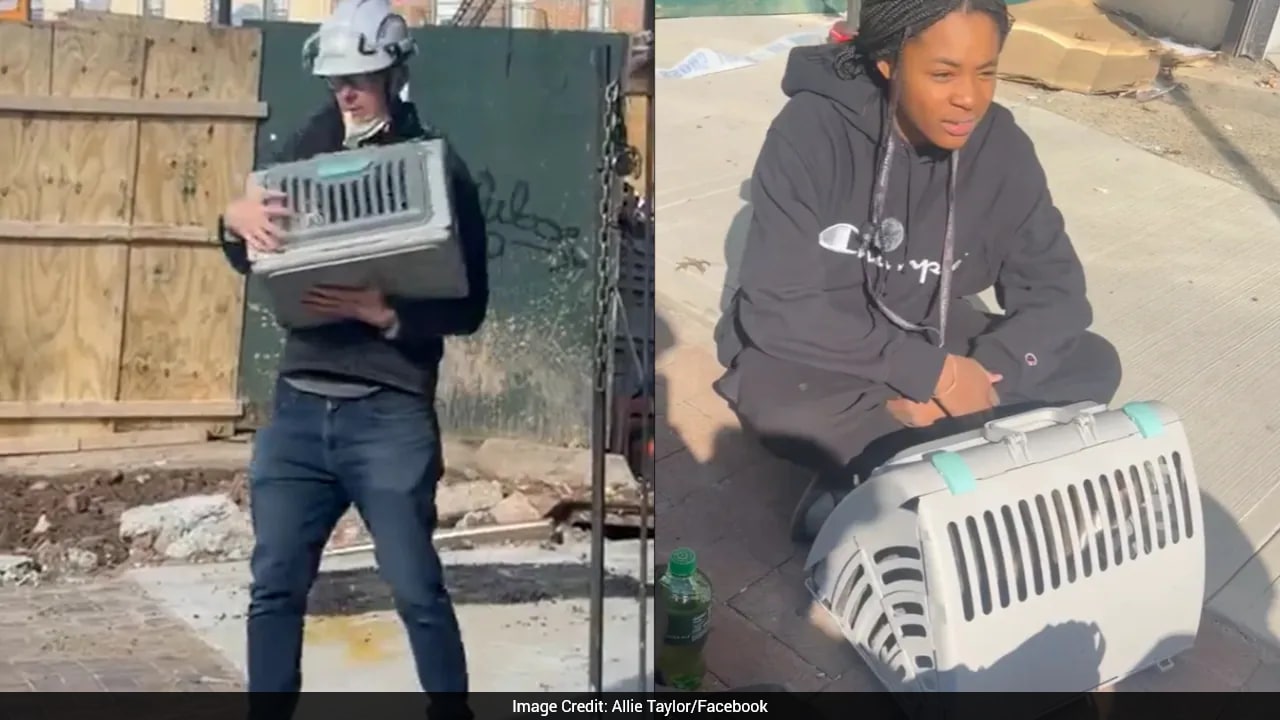
Four days under a pile of crushed brick and splintered timber sounds like a death sentence. Yet when a cat reunites with its owner four days after a Brooklyn building collapse, people always treat it like some inexplicable miracle.
It isn't magic. It's biology, pure and simple.
I've spent years working alongside urban search and rescue teams and animal welfare responders in New York City, and I see the same pattern every single time a tenement or brownstone gives way. Bystanders assume the worst within the first twelve hours, while experienced handlers are just getting their traps set. If you live in an older borough building with pets, understanding how cats actually behave during structural emergencies can be the difference between a tragic loss and a joyful reunion.
Why Cats Outlast Structural Disasters
Most people project human panic onto their pets. When a ceiling caves in or a foundation shifts, humans scream and run toward the nearest exit. Cats do the exact opposite.
They drop low. They find the tightest, darkest void available and wedge themselves inside.
During a structural collapse in dense urban neighborhoods like Brooklyn, falling joists, plaster, and masonry rarely pancake flat without leaving air pockets. These void spaces—often just six to ten inches wide—are fatal traps for larger animals or people, but they're built-in bunkers for an average ten-pound domestic cat.
The Physics of Small Spaces
A cat's collarbone isn't rigidly attached to the rest of its skeleton. It floats, connected only by muscle. Because of this anatomical quirk, anywhere a cat's head can fit, the rest of its body can usually follow.
When heavy debris shifts, a cat instinctively presses against load-bearing walls, beneath cast-iron bathtubs, or inside heavy wooden cabinetry. Those exact spots are what structural engineers call "survivable voids." While concrete dust fills the open air, the stagnant pockets beneath fallen furniture stay remarkably breathable for days.
Metabolic Shutdown Mode
Once trapped, a frightened cat doesn't burn energy pacing around or crying out. They enter a state of extreme behavioral shutdown.
Their heart rate slows down. They stop vocalizing completely—which is the primary reason owners walk right past them during initial searches. Calling your cat's name into a rubble pile almost never works during the first 48 to 72 hours. Even if your cat hears you clearly, their survival instinct overrides their bond with you. Making noise alerts predators, and to a terrified cat, a collapsing building feels like an active attack.
The Four-Day Timeline of a Rubble Rescue
Four days is a very specific threshold in urban animal rescue. It's not a random number.
Day one is pure chaos. Heavy machinery is moving, fire department crews from the FDNY are shoring up unstable walls, and ambient noise is deafening. Any surviving cat is frozen stiff in whatever crevice it found during the initial crash.
By day two, dehydration sets in. A healthy adult cat can survive roughly three to four days without water, depending on ambient temperature and dust levels. Their kidneys are remarkably efficient at concentrating urine, a trait inherited directly from their desert-dwelling ancestors, Felis lybica. Still, the clock is ticking loudly by the forty-eight-hour mark.
Day three is when human search crews usually scale back active demolition and shift to stabilization. The vibrations stop. The shouting dies down.
Day four is when hunger and thirst finally overpower fear. The silence of the rubble pile convinces the cat that the immediate threat has passed, prompting it to crawl toward the perimeter where rescue workers or owners are waiting. That's why the four-day mark shows up so consistently in real-world Brooklyn collapse recoveries.
What Rescue Teams Actually Do Differently
If you ever find yourself standing outside a cordoned-off block in Brooklyn waiting for news about a missing pet, your first instinct will be to beg firefighters to let you dig. Don't.
Unstable masonry kills rescuers fast, and shifting one beam can collapse the exact void keeping your cat alive. Instead, organizations like the ASPCA and local NYC trap-neuter-return (TNR) specialists use specific, low-tech protocols that actually work.
- Scent-lure perimeter traps. Rescuers place humane box traps along the safest outer edges of the debris zone, baited with pungent foods like warmed sardines or mackerel in oil—never dry kibble, which doesn't carry a scent through heavy dust.
- Dirty laundry anchors. Placing an unwashed shirt or pillowcase that smells strongly of the owner inside or directly beside a humane trap gives a disoriented animal a familiar sensory target.
- Late-night thermal and acoustic sweeps. Between 2:00 AM and 4:00 AM, when city traffic drops to a whisper, handlers use directional microphones and thermal imaging cameras to detect faint movement or body heat near surface crevices.
- Zero-call zones. Experienced volunteers enforce strict silence around trap sites because human voices often push a panicked indoor cat deeper into the wreckage.
How Brooklyn Pet Owners Can Prep Today
Living in older New York architecture—whether it's a pre-war walk-up in Crown Heights, a timber-frame house in Greenpoint, or a brick rowhouse in Park Slope—comes with inherent structural risks. Adjacent construction, aging foundations, and gas leaks happen without warning.
You can't prevent a building failure, but you can stack the odds in your pet's favor before anything goes wrong.
Ditch the Breakaway Collar Myth for Microchips
Breakaway collars are great for safety, which means they're terrible for identification during a collapse. A cat squeezing through jagged drywall and exposed nails will lose a breakaway collar in ten seconds flat.
Get your cat microchipped and verify that your phone number is active in the registry database right now. When an exhausted, dust-covered cat is pulled from debris four days after an incident, a microchip scanner at a local shelter or emergency vet clinic is the only guaranteed ticket home.
Map Your Apartment's Safe Zones
Walk through your apartment today and look at where your cat hides during thunderstorms or vacuuming sessions. That's the exact spot they'll run to if the ceiling starts falling.
If their favorite hiding spot is under a flimsy particle-board bed frame, block it off. Encourage them to use sturdy, enclosed spaces near interior load-bearing walls or heavy solid-wood furniture. Keep a rigid, hard-sided plastic carrier—never a collapsible fabric bag—stored near your front door so emergency responders can grab it if they need to evacuate your pets while you're at work.
Put a Pet Alert Sticker on Your Entry Door
First responders don't know you have two cats hiding under your dresser unless you tell them. Place a clear, weather-resistant pet rescue decal at eye level on your apartment door and front window listing the exact number and species of animals inside.
Keep the information current. Update it if you adopt another pet or move out, because firefighters rely on accurate counts when deciding how much risk to take during secondary sweeps.
The Medical Reality After a Collapse Reunion
Getting your cat back alive after four days in the rubble is only half the battle. Owners often make the mistake of taking their pet straight home, giving them a huge bowl of food and water, and letting them sleep it off.
That can be fatal.
Four days of inhaling pulverized plaster, fiberglass insulation, and concrete dust causes severe chemical irritation in feline airways. Even if your cat looks completely fine on the outside, delayed pulmonary edema can set in hours after rescue.
- Go straight to an emergency veterinarian. Skip your regular vet if there's a wait and head directly to a 24-hour critical care facility for chest radiographs and oxygen support.
- Restrict food and water intake initially. Giving a severely dehydrated animal unlimited water all at once triggers vomiting and dangerous electrolyte shifts; vets need to administer controlled intravenous fluids first.
- Flush eyes and paws professionally. Alkaline dust from concrete and drywall causes corneal ulcers and chemical burns on paw pads if it isn't thoroughly irrigated with sterile saline.
If you live in an older building, check your cat's microchip registration tonight, swap out any fabric carriers for hard-shell plastic ones, and tape an updated pet count notice to your front door before you go to bed.