Viral clips of Chinese onlookers cheering Donald Trump's motorcade in Shenzhen exploded across social media, and almost everyone immediately spun the footage to fit their own politics. One side claimed hundreds of thousands of Chinese citizens lined the streets in spontaneous adoration while Western media hid the tapes. The other side dismissed the entire scene as staged state theater or fake AI generation.
Both takes miss what actually happened on the ground in southern China on November 18, 2026.
When U.S. President Donald Trump arrived in Shenzhen for the 33rd APEC Economic Leaders' Meeting—becoming the first sitting American president to visit the tech hub—he offered street-level observers a rare, unscripted visual. Riding inside his armored presidential limousine, known as "The Beast," on his way to the APEC welcome dinner, Trump leaned toward the glass to take in the neon-lit skyline and waved back at the crowds gathered behind security barricades.
It was a striking moment. It was also widely misunderstood.
What Actually Happened on the Streets of Shenzhen
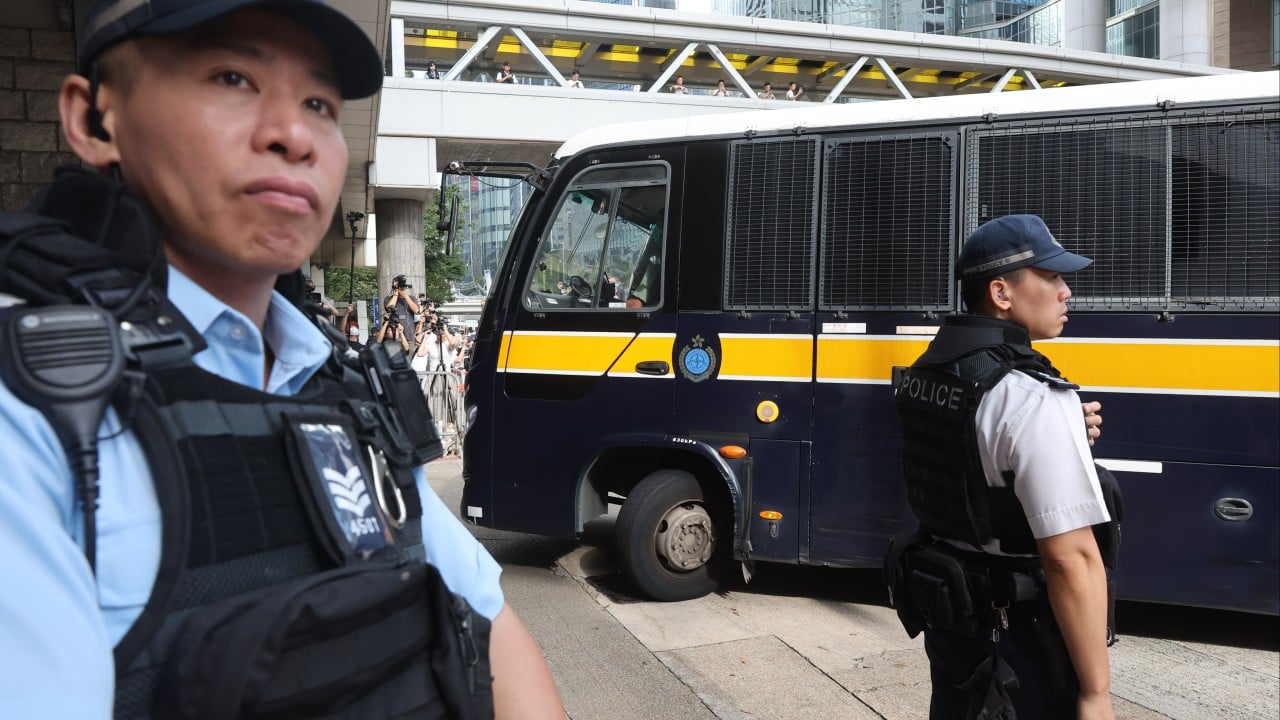
Let's separate verified reporting from internet fiction. Reporters on the ground from outlets including the South China Morning Post, CNA, Sing Tao, and the Associated Press documented crowds waiting along the motorcade route and outside The Langham, Shenzhen, where Trump stayed during the summit.
As the black Cadillac glided down Shenzhen's avenues on Wednesday evening, onlookers held up smartphones, cheered, and filmed. Trump looked out through the heavy window glass at the towering skyscrapers and raised a hand to wave. Within hours, a related hashtag on Weibo—China's massive microblogging platform—racked up roughly 22 million views.
Here is where the viral rumor mill went off the rails:
- The crowd size was exaggerated. Social media accounts claimed "hundreds of thousands" of people flooded the streets. No credible newsroom or independent observer reported numbers anywhere near that scale. Crowds gathered at specific checkpoints and near his hotel, not across the entire metropolis.
- Mainstream media didn't bury it. Claims that legacy outlets refused to air the footage are demonstrably false. Major international outlets published both video and written dispatches covering the street scenes the very next morning.
- The cheering wasn't an endorsement of U.S. tariffs. Treating a crowd waving at a motorcade like a political poll is a classic rookie mistake when reading Chinese public behavior.
If you've ever watched how major diplomatic visits play out in mainland Chinese cities, you know the vibe on the sidewalk is way more complicated than simple ideological support.
Why Chinese Onlookers Turned Out to See Trump
To understand why Shenzhen residents stood behind barricades in the November evening air, you have to understand Trump's unique celebrity status inside China.
In Chinese internet culture, Trump isn't viewed solely through the lens of trade wars, semiconductor restrictions, or geopolitical rivalry. He has a long-running nickname online—"Chuan Jianguo," or "Trump the Nation Builder"—a tongue-in-cheek meme suggesting his unpredictable policies inadvertently accelerate China's own self-reliance. Beyond the memes, his background as a billionaire real estate developer and television personality makes him a larger-than-life spectacle.
Seeing a sitting U.S. president in person is rare anywhere. Seeing one in Shenzhen—a city that didn't even exist as a modern metropolis fifty years ago—carries extra weight.
The Novelty Factor in a Historic Visit
Beijing, Shanghai, and Hangzhou have all hosted U.S. presidents before. Shenzhen hadn't. When Air Force One touched down and Chinese President Xi Jinping broke decades of diplomatic protocol by personally greeting Trump on the airport tarmac, locals immediately knew they were watching history.
For ordinary residents out for an evening walk or commuting past Futian District, catching a glimpse of "The Beast" wasn't a political rally. It was a once-in-a-lifetime brush with global power. People cheered because waving at a passing head of state—and getting a wave back through bulletproof glass—makes for an unbeatable video clip on Douyin or WeChat.
The Langham Hotel Turned Tourist Attraction
The aftermath proves how much of this was driven by curiosity and pop-culture fascination rather than partisan politics. In the days following the November 18–19 summit, The Langham, Shenzhen turned into an unexpected domestic tourist hotspot.
According to local reporting, Chinese visitors began flocking to the five-star property just to snap photos outside the entrance where Trump's motorcade pulled up. Some travelers even booked stays in the hotel's presidential suite where he was believed to have stayed. That isn't the behavior of an angry mob or a state-scripted crowd—it's classic celebrity tourism.
How Trump Reacted to Shenzhen's Skyline
While onlookers were busy filming Trump, Trump was clearly impressed by what he saw outside his window.
During his ride to the APEC welcome dinner, the president spent noticeable time peering out at Shenzhen's illuminated towers. Back in Washington at a White House press conference on November 20, he brought up the city unprompted—and he didn't hold back on the praise.
"It's clean. It's immaculate. It's been built in a short period of time," Trump told reporters, pointing out that Shenzhen had transformed from a modest fishing village into a futuristic urban center within a few decades.
He immediately used Shenzhen as a foil to criticize urban management in several U.S. cities, contrasting the Guangdong tech hub's smooth roadways and spotless streets against potholes and grime back home. He even went so far as to print out a photo of Shenzhen to show off during a dinner back in the States.
For a former real estate developer obsessed with gleaming towers, clean infrastructure, and big builds, Shenzhen's skyline hit every aesthetic button he cares about. And for Beijing, having an American president publicly praise China's flagship Special Economic Zone as "immaculate" was a soft-power win that cost them nothing.
Why This Visual Moment Mattered for APEC 2026
Diplomacy isn't just closed-door communiqués. Optics drive momentum, especially when high-stakes talks are on the line.
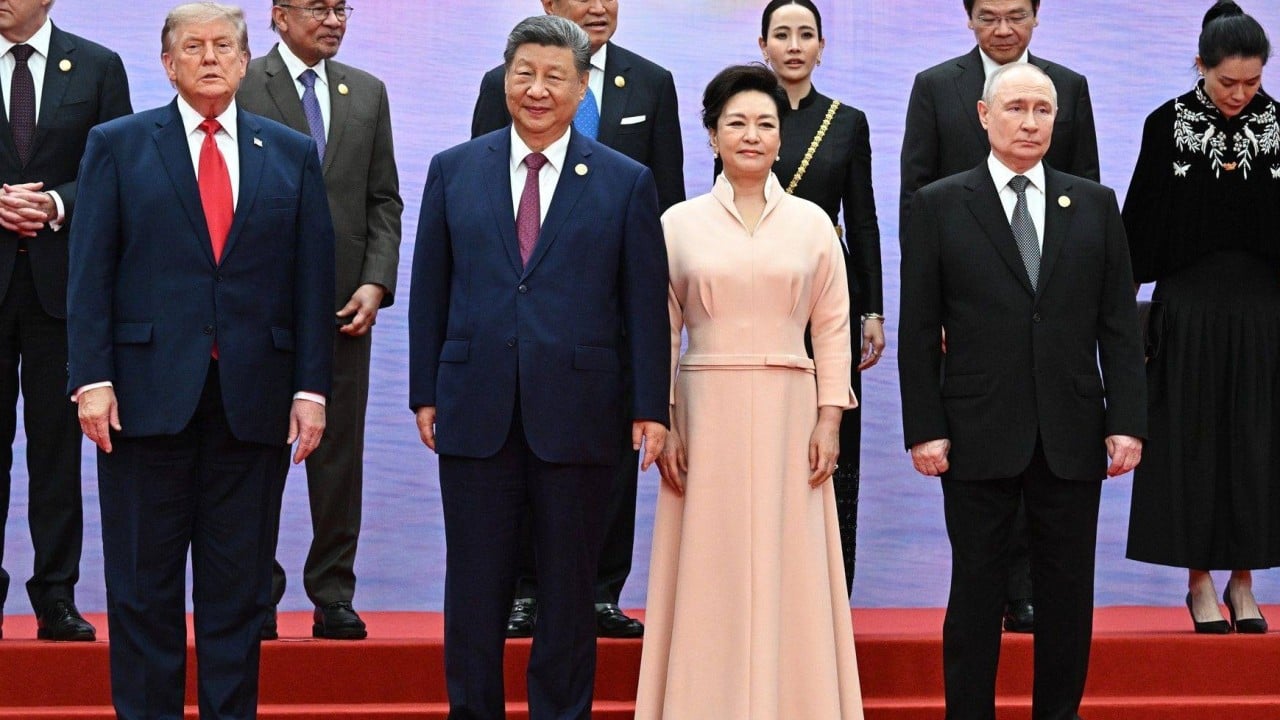
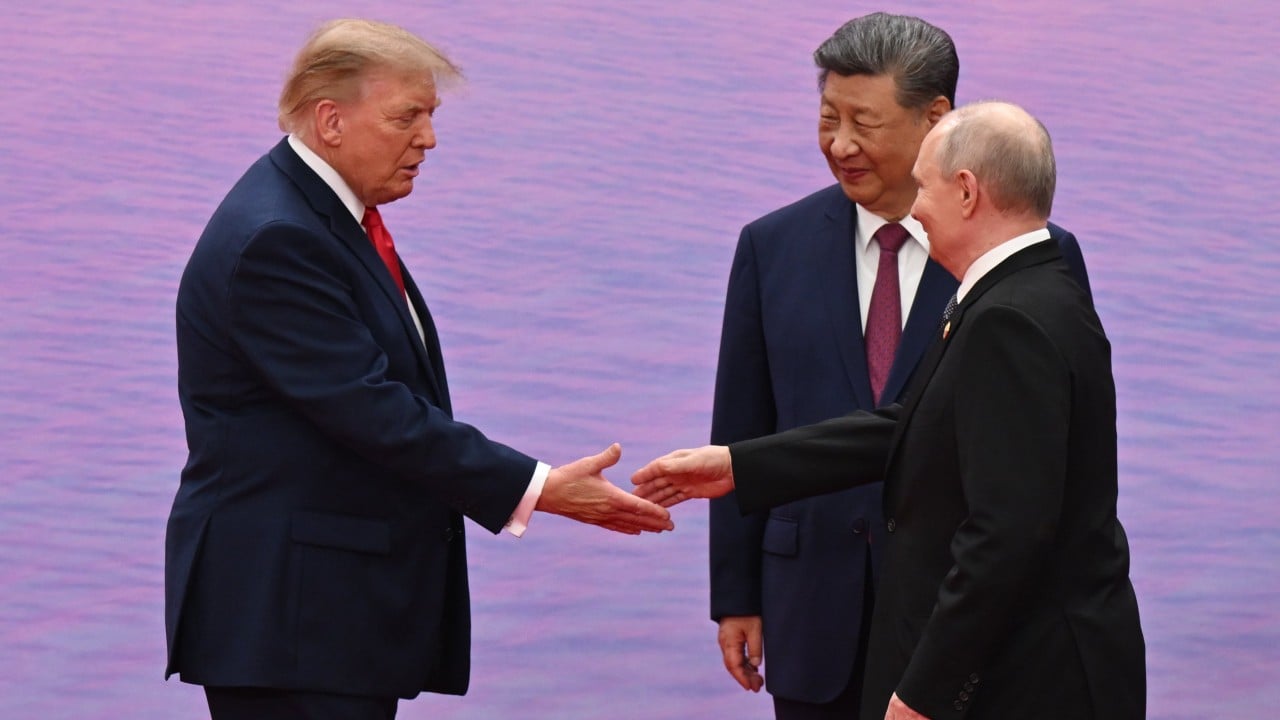
The 2026 APEC summit in Shenzhen wasn't a routine trade conference. It featured a historic three-way dynamic between Trump, Xi Jinping, and Russian President Vladimir Putin, producing a joint declaration stating that a nuclear war "cannot be won and must never be fought" alongside pledges to keep bilateral differences under control. Earlier in the week, Trump also held bilateral pull-aside meetings at The Langham with Mexican President Claudia Sheinbaum and Canadian Prime Minister Mark Carney.
Against that heavy geopolitical backdrop, the street-level footage from Shenzhen did two things simultaneously:
- It lowered the temperature. After months of sharp rhetoric and a reciprocal state-visit cycle that saw Trump visit Beijing in May 2026 and Xi travel to the U.S. in September, friendly street scenes signaled stability. Neither government wanted images of protests or hostility dominating global feeds.
- It gave both leaders a domestic win. Trump got viral clips of warm receptions abroad and a glowing interview in which he called his relationship with Xi "a friendship relationship" and "a respect relationship". Xi got validation of China's modern urban development—and of Shenzhen's status as a world-class host city welcoming over 6.6 million foreign visitors in 2026.
How to Spot Spin When Watching Viral Diplomatic Clips
Whenever a world leader visits a rival nation, social media algorithms reward the most extreme interpretation of every five-second clip. Next time motorcade footage from Beijing, Washington, or Moscow floods your feed, run it through a quick reality check before sharing:
- Check the watermark and source. Clips circulating on X with dramatic English voiceovers often strip out original state-media or regional news branding—like CGTN or Lianhe Zaobao—to make routine pool footage look like "leaked" secret video.
- Verify crowd claims against wire reports. If half a million people actually shut down a major city, the Associated Press, Reuters, and local beat reporters will lead with that number. When crowd estimates are missing from every reputable dispatch, viral numbers are almost always invented.
- Separate cultural curiosity from political alignment. Cheering crowds in Shenzhen don't mean Chinese voters want American economic policies, just as Americans taking photos outside a foreign leader's hotel in New York don't endorse that leader's government.
Look closely at the Shenzhen footage and you don't see a geopolitical miracle or a media conspiracy. You see a billionaire president admiring a glittering skyline through three inches of armored glass, and a crowd of smartphone-wielding locals enjoying a front-row seat to history. Watch Trump's motorcade arriving in Shenzhen for APEC to see the contrast between the heavy security perimeter and the casual curiosity of the crowds firsthand.