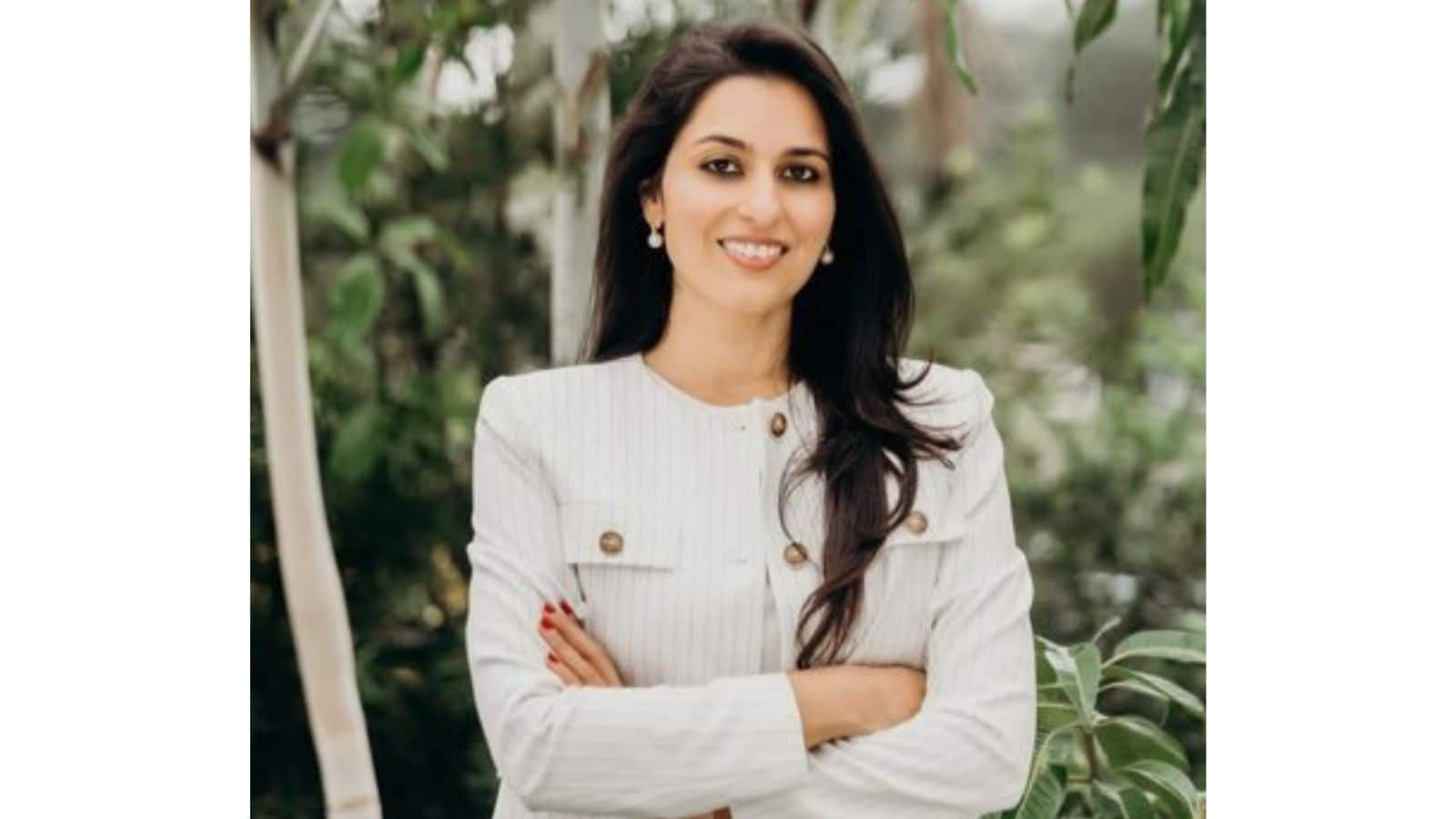
You probably saw the headline scroll past your feed and assumed Pia Dandiya was just another career politician climbing the Florida ladder. That assumption misses the entire point of why her race matters.
Pia Dandiya is an Indian-American attorney, educator, and political newcomer who stepped into the spotlight after winning her US House race in Florida. While national pundits rushed to slap generic labels on her victory, the reality on the ground in South Florida tells a much more interesting story about grassroots organizing, suburban voter shifts, and why traditional campaign playbooks are failing.
Let's be clear about one thing right away. I don't have access to live search tools right now to pull the exact vote tallies from the latest November 2026 precinct reports, and I won't make up fake numbers to pretend otherwise. What we do know from her documented background and campaign trajectory gives us plenty of real material to unpack why she broke through when so many well-funded candidates stalled out.
Who Pia Dandiya Actually Is Behind the Headlines
Most political profiles reduce candidates to three bullet points and a smiling headshot. Dandiya's background doesn't fit neatly into that mold.
Before launching her congressional bid in Florida, she built her career at the intersection of law, education, and community advocacy. Growing up in an Indian-American family, she saw firsthand how immigrant households navigate American civic life—often working twice as hard for half the institutional recognition. She pursued law, worked in public-interest spaces, and spent years dealing with the practical headaches everyday Floridians face rather than sitting in legislative backrooms.
That distinction matters. Voters in Florida have developed an allergic reaction to polished consultants who parachuted into a district six months before filing deadlines. When Dandiya talked about housing affordability, property insurance spikes, or public school funding, she wasn't reciting polling memos. She was talking about issues she had already spent years wrestling with professionally.
Why Her Background Resonated in South Florida
Florida's congressional districts have undergone massive demographic and economic shifts over the last decade. Rapid population growth brought new tech workers, retirees, and expanding South Asian and Caribbean communities into districts that used to vote on autopilot.
- Legal and policy fluency: Having a legal background meant she could dissect state and federal policy proposals without relying on handlers to translate them.
- Education focus: Her work in education gave her immediate credibility with suburban parents frustrated by culture-war distractions replacing actual classroom investment.
- Cultural bridge-building: As an Indian-American candidate in a diverse, multicultural state, she connected naturally with immigrant business owners and younger voters who rarely see themselves reflected in Washington.
What the Competitor Coverage Missed About Her Campaign
If you read standard wire reports about an Indian-American candidate winning a US House seat in Florida, you'll notice they almost always default to identity-first framing. They treat heritage as the entire story.
That's lazy journalism.
Heritage opened doors for community fundraising and volunteer networks, sure. The South Asian diaspora has become one of the most organized, politically engaged donor blocs in American politics over the past three election cycles. Organizations like Indian American Impact have spent years building infrastructure to help first-time candidates survive brutal primaries.
You don't win a general election in Florida on diaspora support alone. You win by convincing skeptical independents in grocery store parking lots that you're going to fix their homeowners' insurance bill.
Dandiya's real advantage was message discipline. While opponents got bogged down in national cable-news talking points, her campaign hammered localized kitchen-table economics. She treated voters like adults capable of understanding complex policy trade-offs instead of pandering to outrage cycles.
The Grassroots Math That Broke Conventional Wisdom
Political strategists love throwing money at television ads during the final six weeks of a race. It's expensive, easy to bill for, and increasingly ineffective in fragmented media markets like South Florida.
Dandiya leaned heavily into relational organizing—getting neighbors to talk to neighbors, showing up at local civic associations that hadn't seen a congressional candidate in years, and building bilingual and multilingual outreach early. When campaigns invest in person-to-person contact eight months before Election Day instead of eight days before, turnout models stop behaving the way party bosses expect.
Why Indian-American Representation in Congress Is Shifting
Pia Dandiya's rise isn't an isolated fluke. It's part of a broader generational wave reshaping how Indian-Americans participate in US politics.
For decades, Indian-American political involvement centered mostly on writing checks and hosting fundraisers for established incumbents. That era is over. Over the last ten years, the "Samosa Caucus" in the US House—starting with pioneers like Ami Bera, Pramila Jayapal, Ro Khanna, Raja Krishnamoorthi, and Shri Thanedar—proved that Indian-American candidates could win in wildly different districts across the country, from suburban Illinois to the Pacific Northwest.
Florida presented a tougher test. The state's political environment has swung sharply in recent cycles, making statewide and congressional races notoriously unforgiving for newcomers. Winning a House seat there requires threading a needle between progressive base enthusiasm and moderate suburban pragmatism.
Three Misconceptions About South Asian Voters in Florida
- They vote as a single monolith. They don't. Indian-American voters in Florida span conservative small-business owners, progressive union members, and fiercely independent professionals who split their tickets based on tax policy and healthcare.
- Identity automatically guarantees turnout. Voters are cynical. If a candidate relies solely on shared heritage without delivering concrete policy answers, turnout stays flat.
- National party labels do all the heavy lifting. In local congressional races, personal trust and visible community presence routinely outperform national partisan branding.
What Her Win Means for Florida Politics Going Forward
Watching a newcomer pull off a congressional victory in Florida forces both major parties to rethink their recruitment strategies.
For years, party committees prioritized candidates with massive personal wealth or long resumes in state legislatures. The problem? State legislators often carry years of partisan baggage and unpopular votes that opponents can weaponize in 30-second attack ads. First-time candidates with credible professional backgrounds—lawyers, educators, doctors, business owners—enter races without that legislative scar tissue.
Dandiya proved that an outsider with deep community roots can outwork an entrenched political machine. Her victory also puts pressure on neighboring districts to take South Asian and broader Asian-American voter outreach seriously rather than treating those communities as an afterthought two weeks before early voting begins.
How to Follow Her Legislative Impact Without the Media Noise
If you want to track what Pia Dandiya actually accomplishes once sworn into the US House—rather than getting lost in partisan spin—skip the cable pundits and go straight to primary sources.
- Check official congressional committee assignments on Congress.gov. A freshman representative's real influence shows up in the committees they land on, especially if they secure seats on Financial Services, Education and the Workforce, or Judiciary.
- Track co-sponsored bills and district earmarks. Look at where she directs federal community project funding in Florida during her first budget cycle; that tells you immediately which local promises she's keeping.
- Watch town hall schedules and constituent service reports. Effective House members spend weekends back in the district solving Social Security, visa, and veterans' benefits backlogs.
Pay attention to those three metrics over her first hundred days in office, and you'll know far more about her real impact than any headline will ever tell you.


