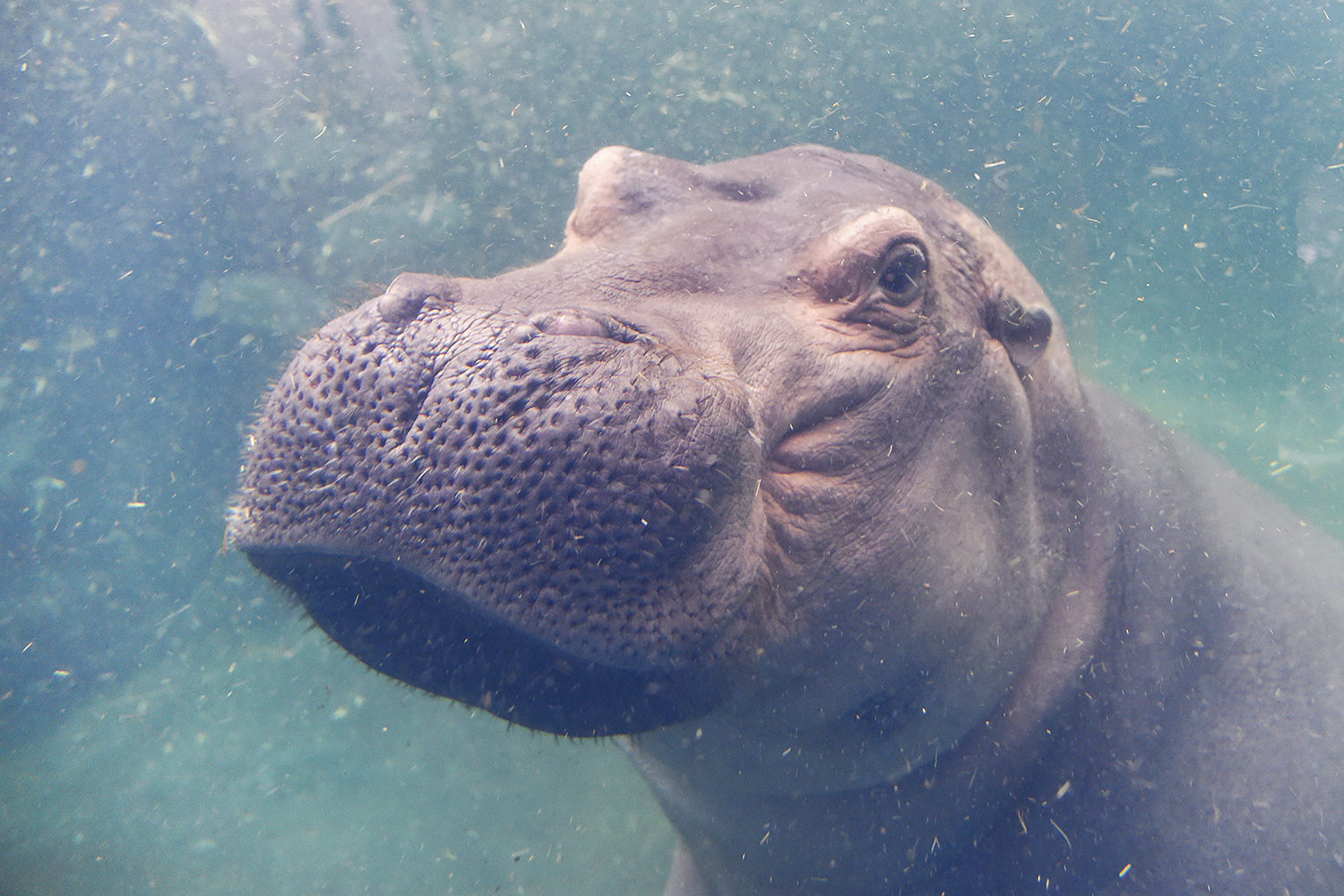
Fiona the hippo is completely alive and healthy at the Cincinnati Zoo & Botanical Garden. Let's clear that up right away before you panic over a viral headline claiming she died after eating a hat.
The internet loves a tragic animal rumor, especially when it involves one of the most famous zoo residents on the planet. Every few months, recycled clickbait or spoof headlines circulate across social media feeds, claiming the Cincinnati Zoo announced her passing after swallowing a visitor's hat or another dropped object. Those stories are flat-out false. If you check the official Cincinnati Zoo & Botanical Garden website or their verified social media channels, you'll see Fiona doing what she always does—swimming, eating romaine lettuce, and hanging out with her mother, Bibi, and her younger brother, Fritz.
I've tracked wildlife misinformation and zoo communications for years, and fake celebrity animal death hoaxes follow a predictable pattern. They prey on genuine public affection, use an official-sounding attribution like "Cincinnati Zoo says" to bypass your skepticism, and exploit a real, serious problem that actually does happen in zoos around the world.
Why the Fiona the Hippo Hat Rumor Spreads So Fast
Social media algorithms reward outrage and grief. A headline claiming an innocent, globally beloved animal died because a careless tourist dropped a hat hits both emotional triggers simultaneously. You feel sad for the hippo, and you immediately feel angry at the hypothetical person who dropped their belongings into the enclosure.
Here's why this specific hoax sticks so well.
- It sounds plausible. Visitors drop phones, sunglasses, water bottles, and hats into zoo exhibits every single week. Because that part is completely believable, readers rarely pause to verify whether the fatal outcome actually happened.
- Fiona is a household name. Born six weeks premature in January 2017 at just 29 pounds—well below the normal 55 to 120-pound birth weight for Nile hippos—Fiona's survival became a global media phenomenon. When millions of people feel personally invested in an animal's survival story, fake news creators know her name guarantees clicks.
- Satire gets stripped of context. Many viral animal death rumors originate on parody sites or engagement-farming Facebook pages. Once someone screenshots a fake headline and reposts it without a link, the satire label disappears, and thousands of people share it as breaking news.
Honestly, it's exhausting watching people fall for the same recycled templates. Before you share a breaking news post about a famous zoo animal, take ten seconds to open a new tab and check the zoo's official press room. Major institutions like the Cincinnati Zoo never hide animal passings; when an animal in their care actually dies, they release transparent, detailed statements through official channels immediately.
The Real Danger of Dropped Objects in Zoo Enclosures
While the story about Fiona dying from a hat is fabricated, the underlying risk to zoo animals is very real. Keepers and veterinary teams spend an enormous amount of time dealing with foreign object ingestion.
Nile hippos, in particular, are fiercely curious animals that explore their environment with their mouths. In the wild, a hippo's digestive tract is built to process massive quantities of tough grasses—roughly 80 to 100 pounds of vegetation every single night. Their stomachs are multi-chambered fermentation engines, not garbage disposals. Synthetic fabrics, plastic buttons, metal clasps, and foam brims from a standard baseball cap don't break down in stomach acid.
When an animal swallows a hat or a plastic bag, the object can cause a gastrointestinal obstruction. In a 4,000-pound animal like an adult Nile hippo, diagnosing and treating a bowel blockage is a nightmare scenario. You can't easily put a hippo under general anesthesia without severe respiratory and cardiovascular risks, and performing abdominal surgery on an animal with skin two inches thick carries massive post-operative complications.
Zoo habitats are engineered with specific barrier distances, glass walls, and mesh wiring to prevent accidental drops, yet people still lean over railings to snap selfies. A sudden gust of wind takes a hat right off someone's head. Five seconds later, an animal thinks it's an enrichment toy or a snack.
How the Cincinnati Zoo Protects Fiona and Her Pod
If you ever visit Hippo Cove in Cincinnati, you'll notice the viewing design isn't accidental. The underwater viewing window and outdoor perimeter are built to keep crowds close enough to see Fiona clearly while maintaining strict physical separation between human belongings and the water.
Beyond physical barriers, modern accredited zoos rely on behavioral conditioning to keep animals safe when accidents happen. Through positive reinforcement training, keepers teach hippos to open their mouths on cue, allow dental inspections, and willingly approach barriers for veterinary checks. If a foreign object ever does end up in an exhibit, trained animals are far easier to monitor and treat without stressful restraint.
The Cincinnati Zoo's veterinary staff also maintains strict protocols for enclosure sweeps. Keepers inspect both land and water areas before shifting animals into their habitats each morning. High-efficiency filtration systems in the Hippo Cove pool continuously circulate tens of thousands of gallons of water, helping staff spot debris quickly before it becomes a hazard.
How to Spot Fake Animal News Before Sharing
You don't need a journalism degree to avoid getting duped by viral animal hoaxes. Most fabricated wildlife stories fall apart under thirty seconds of basic scrutiny.
- Check the primary source directly. If a headline says "Cincinnati Zoo says," go straight to the Cincinnati Zoo's official website or verified X, Instagram, or Facebook pages. If the zoo hasn't posted about it, it didn't happen.
- Look at the URL structure. Hoax sites often mimic legitimate news outlets using slightly altered domains or generic clickbait domains packed with intrusive ads.
- Search the exact animal's name in Google News. Legitimate news about Fiona the hippo gets picked up immediately by local Cincinnati outlets like WLWT, WCPO, and the Cincinnati Enquirer, alongside national wire services like the Associated Press. If zero local reporters are covering a major story at their own city's zoo, the story is fake.
- Watch for missing dates and vague details. Real veterinary announcements include specific timelines, medical context, and statements from named zoo directors or veterinarians. Hoaxes rely on generic, emotional phrasing with zero verifiable specifics.
What You Should Actually Do When Visiting Any Zoo
Respecting exhibit barriers isn't just about following park rules—it directly keeps animals alive. Secure loose items like hats, sunglasses, and phones in zippered pockets or bags before leaning near any viewing rail. If you accidentally drop something into an enclosure, never try to retrieve it yourself and don't walk away hoping nobody noticed. Flag down the nearest zoo staff member immediately so keepers can safely shift the animals and remove the object before anyone takes a bite.
Report fake death rumors when you see them cluttering your social feeds, point friends to the Cincinnati Zoo's official updates to verify Fiona is thriving, and keep your gear strapped down the next time you stand beside an animal habitat.