Getting an insurance check after a wildfire destroys your home feels like a turning point. Then you look at the payee line and see your mortgage lender's name sitting right next to yours.
Instead of cash flowing straight into foundation work, lumber, and contractor draws, rebuilding money often gets parked inside bank escrow accounts. In October 2026, California regulators moved to crack down on that bottleneck, ordering financial institutions to report how they've handled insurance payouts for survivors of the January 2025 Los Angeles-area wildfires. If you're dealing with mortgage lenders holding insurance payouts, you already know how maddening the lag can be when every week of delay costs rent, storage, and emotional bandwidth.
Here's the catch that catches most homeowners off guard. Your insurer doesn't just owe you a fair settlement. Once a claim check lands in escrow, your mortgage servicer effectively acts as a gatekeeper over your own rebuild money—and banks don't always move at construction speed.
Why California Ordered Lenders to Open Their Books
California's crackdown didn't come out of nowhere. Following the devastating January 2025 wildfires across the Los Angeles area, survivors spent months fighting two separate battles: getting insurers to pay fair value on claims, and then getting mortgage servicers to release funds already paid out.
On October 15, 2026, state regulators—led by the California Department of Financial Protection and Innovation (DFPI) under Commissioner KC Mohseni—ordered mortgage lenders, banks, and credit unions to report data on how they've managed wildfire insurance proceeds. Reporting from outlets like the Associated Press and Mortgage Professional America highlighted that survivors had been pointing to stalled draws, repeated document requests, and unexplained holds for months.
Under the state's push, institutions must account for proceeds received, amounts released, disbursement timing, and reasons for funds still withheld as of September 30, 2026. Regulators are also looking closely at three specific pain points:
- Lenders taking longer than 10 business days to release proceeds once mortgage conditions are satisfied.
- Firms lacking expedited appeal pathways when borrowers dispute holds or denials.
- Institutions holding escrowed insurance funds that exceed the unpaid balance on the mortgage loan.
Mohseni made the stakes clear, warning that the department is prepared to take enforcement action—including potential fines—against banks and credit unions that unnecessarily slow down disaster payouts.
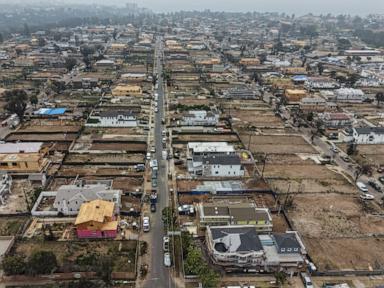
Look closely at what's happening on the ground in that scene. Framing and site work take real cash on predictable schedules, yet draw inspections and paperwork loops often stall for weeks between stages.
How Escrow Draws Turn a Rebuild Into a Bottleneck
On paper, lender escrow control sounds sensible. If a bank has a security interest in your property, it wants assurance that insurance proceeds actually go toward restoring the collateral rather than disappearing into unrelated expenses.
In practice, it's way messier. Most servicers release reconstruction funds in staged installments tied to construction milestones. Before releasing the next tranche, they may require signed lien waivers, contractor licenses, permits, updated budgets, or third-party inspections.
From my experience watching disaster recovery files up close, three friction points trip up homeowners over and over:
- Disagreements over completion percentages. A general contractor says framing or rough-in work is 50% done and submits an invoice; the lender's inspector or reviewer sees it differently and holds back the draw.
- Repetitive paperwork loops. Borrowers send tax forms, contracts, or insurance endorsements into a general servicing portal, only to be told weeks later that a file expired, went to the wrong department, or needs a slightly different format.
- Silent float while families wait. Joy Chen, executive director of Every Fire Survivor's Network, captured the frustration bluntly when speaking with reporters: every day a lender sits on delayed funds, the institution can earn interest on money survivors desperately need to get home.
California enacted a 2025 law requiring banks and credit unions to pay homeowners at least 2% of interest earned on held hazard insurance proceeds. Even with interest rules on the books, though, a small interest credit doesn't pay a subcontractor who walks off a job site because a draw check is three weeks late.
A slow escrow release isn't just an accounting annoyance—it can stall crews, inflate rebuilding costs, and stretch temporary housing stress for months.
The Bigger Picture Behind California's Slow Rebuild
Blaming mortgage servicers alone misses half the story. Rebuilding after a major urban-wildland fire is a multi-threaded slog where insurance underpayment, permitting, contractor shortages, and financing gaps all collide.
Numbers from Hoodline's October 2026 coverage show how stubborn the recovery has been more than a year after the fires: fewer than a dozen homes in Los Angeles County had been rebuilt a year out, even with roughly 900 homes under construction and more than 600 destroyed single-family parcels already sold. Separate reporting cited in that coverage noted that under 20% of total-loss claimants had closed out their insurance claims by December 2025.
Meanwhile, rebuilding costs in high-cost coastal and foothill markets routinely outpace base policy limits, leaving families with a painful gap between what insurance pays and what a code-compliant replacement home actually costs. State programs—including California Housing Finance Agency (CalHFA) construction-loan rate buydown and loss-coverage tools opened for reservations in September 2026 for eligible disasters between January 1, 2023, and January 8, 2025—try to bridge part of that financing gap. Still, access to new credit doesn't fix insurance money already sitting frozen in an existing servicer's queue.
There's also a legitimate policy debate here. Lending trade groups and servicers argue that strict verification protects both lenders and borrowers against fraud, unlicensed contractors, and unfinished structures that leave families with half-built homes and unspent cash. Consumer advocates like Annie Barbour of United Policyholders counter that rigid, slow processes inflict heavy emotional and financial harm on displaced families. Both concerns can be true at once—which is why clear timelines and real accountability matter more than vague promises.
What You Should Do If Your Lender Is Holding Payouts
If you're a homeowner waiting on insurance proceeds held by a mortgage servicer, don't rely on polite phone check-ins alone. Treat every interaction like an audit trail.
- Map every dollar in writing. Keep a single ledger showing insurer checks issued, endorsement dates, escrow deposits, requested draw amounts, release dates, and any remaining balance.
- Ask for the exact checklist upfront. Before submitting a draw request, get the servicer's complete written list of required inspections, lien waivers, and contractor documents so you aren't guessing piece by piece.
- Track business days and loan balances. Note when all requested conditions were met and verify whether held funds exceed your remaining unpaid principal balance.
- Escalate formally when timelines slip. Request a supervisor or dedicated disaster-loss escalation contact in writing, and keep copies of every email and portal upload.
- Lean on regulators and consumer advocates. If a state-regulated bank or credit union stalls unreasonably or refuses clear answers, file a complaint with the California DFPI and tap nonprofits like United Policyholders or survivor networks for practical guidance.
Getting your home rebuilt takes enough grit without fighting your own loan servicer for money that belongs to your recovery. Document everything early, push for concrete answers in writing, and hold institutions to the rules on the books.