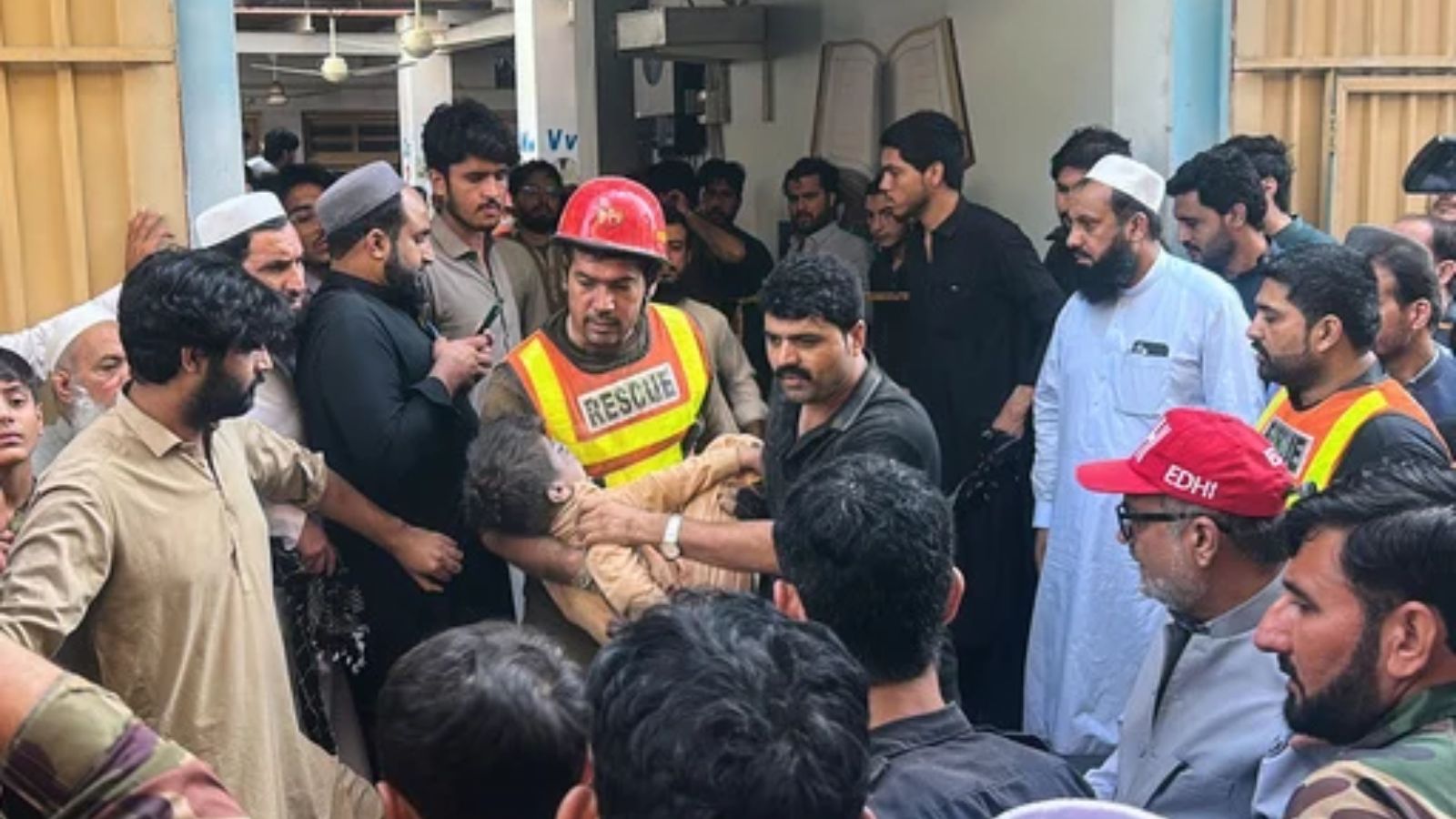
We woke up to a nightmare that shouldn't have been possible. A routine morning of learning inside a crowded Peshawar classroom turned into a graveyard when the structure caved in on October 15, 2026. Nearly 30 children and a teacher lost their lives, with dozens more rushed to hospitals with severe injuries.
People are angry. They should be.
When you look past the initial shock and the predictable wave of political condolences, a stark reality stares you in the face. This wasn't a freak act of nature. It was a man-made catastrophe built on a foundation of regulatory neglect, corner-cutting, and a total disregard for child safety.
What Really Caused the Peshawar Tragedy
Let's look at what officials found on the ground. According to Peshawar police chief Mian Saeed, the building was structurally weak. Worse, unauthorized or overweight construction had been piled onto upper layers, straining a framework that was never engineered to handle it.
You pack scores of children into small, residential-style buildings down narrow streets, ignore basic load-bearing limits, and cross your fingers. That is the operating model for countless budget private schools across the region. They cater to low-income families desperate to give their kids an edge. Those families pay fees they can barely afford, trusting that the four walls enclosing their children are safe.
That trust was betrayed.
The Broader Crisis of Infrastructure Safety
We can't treat this as an isolated incident. It's part of a grim, recurring pattern. Earlier this year in June, a roof collapse at a tutoring center in Lahore killed multiple children. Back in 2025, a multi-storey building collapse in Karachi wiped out dozens of lives.
Building codes exist for a reason. Yet, enforcement remains weak, corrupt, or entirely nonexistent. Private educational institutions often pop up in converted residential properties, basements, or hastily erected structures with zero engineering oversight. Municipal inspectors look the other way, bribes change hands, and children pay the ultimate price.
When schools operate in substandard buildings, disasters aren't a matter of if. They are a matter of when.
The Human Toll and the Search for Accountability
Outside Lady Reading Hospital, the scenes were gut-wrenching. Parents rushed through chaotic corridors, clutching school bags and desperately searching lists of survivors. First responders and local volunteers clawed through concrete and twisted iron with their bare hands, trying to pull trapped kids from the dust.
Prime Minister Shehbaz Sharif and President Asif Ali Zardari issued statements of profound grief, calling for comprehensive investigations. The school's owner was quickly arrested.
An arrest doesn't bring back a child. An inquiry committee won't heal the trauma of the survivors.
If authorities are serious about preventing the next tragedy, symbolic gestures won't cut it. Governments need to mandate safety audits for every single private and public school operating in non-purpose-built structures. They need to shut down overcrowded, overloaded facilities immediately—no warnings, no grace periods.
Until structural integrity matters more than profit margins and bureaucratic complacency, children will continue to bear the weight of our collective failure.
At least 32 children, one teacher killed after school roof collapses in Pakistan's Peshawar
This news report provides a detailed breakdown of the rescue operations and the immediate aftermath of the school collapse in Peshawar.