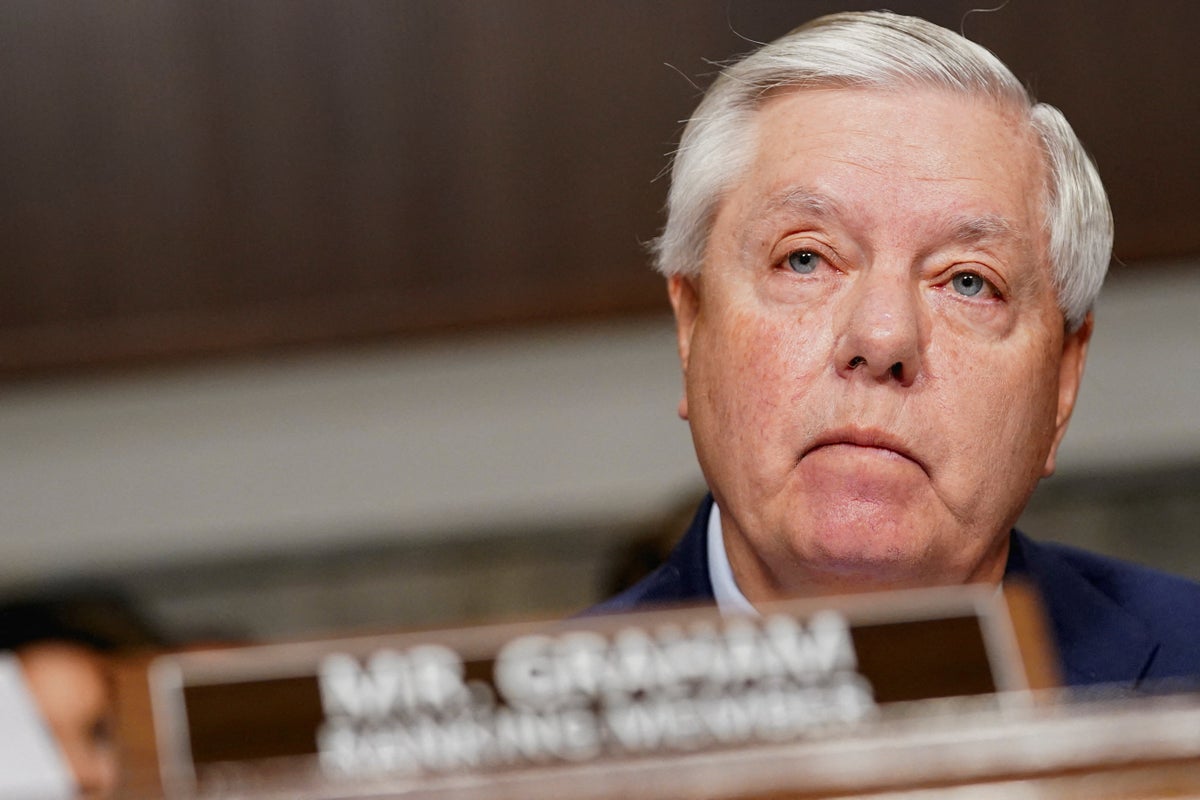
You would think organizing a funeral for a long-serving U.S. senator is a straightforward affair. There is a playbook for this kind of thing. But the sudden passing of South Carolina Senator Lindsey Graham at age 71 has triggered a logistical headache of global proportions. It turns out that when you spend over two decades at the center of American foreign policy, your memorial service becomes less of a private family gathering and more of an international diplomatic summit.
If you are wondering why there has been a delay in laying the veteran lawmaker to rest, the answer is surprisingly complicated. It involves a clash of high-stakes schedules, an overwhelming rush of foreign dignitaries, and the complex reality of managing a funeral that spans two different states and a national monument.
The Global Guest List is Breaking the Schedule
The primary roadblock to finalizing the late senator's memorial isn't bureaucracy—it's his own Rolodex. According to Senator Tim Scott, who has been acting as a key liaison during this process, plans to hold the service have been pushed back because too many international leaders want to fly in.
Graham was a polarizing figure at home, but on the international stage, he was a massive power broker. He was one of Capitol Hill’s most vocal proponents of military aid to Ukraine, a fierce defender of Israel, and a constant presence at security conferences from Munich to Kyiv.
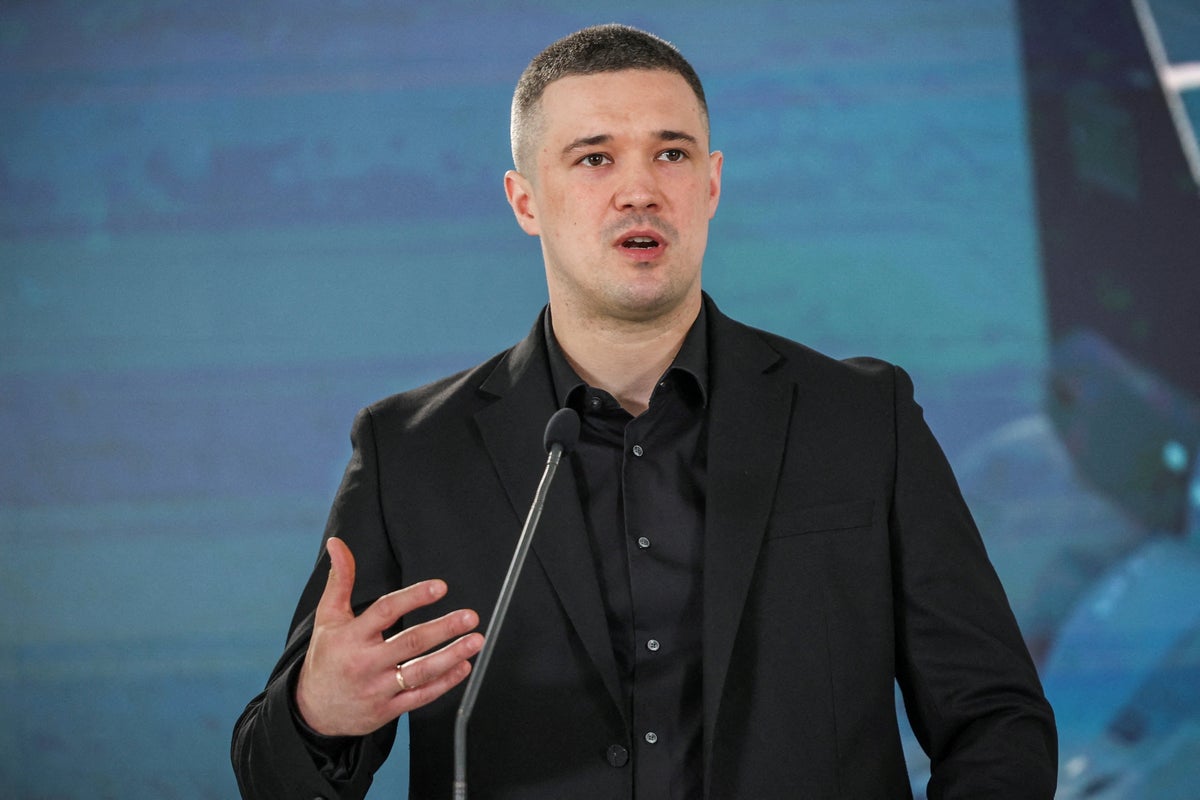
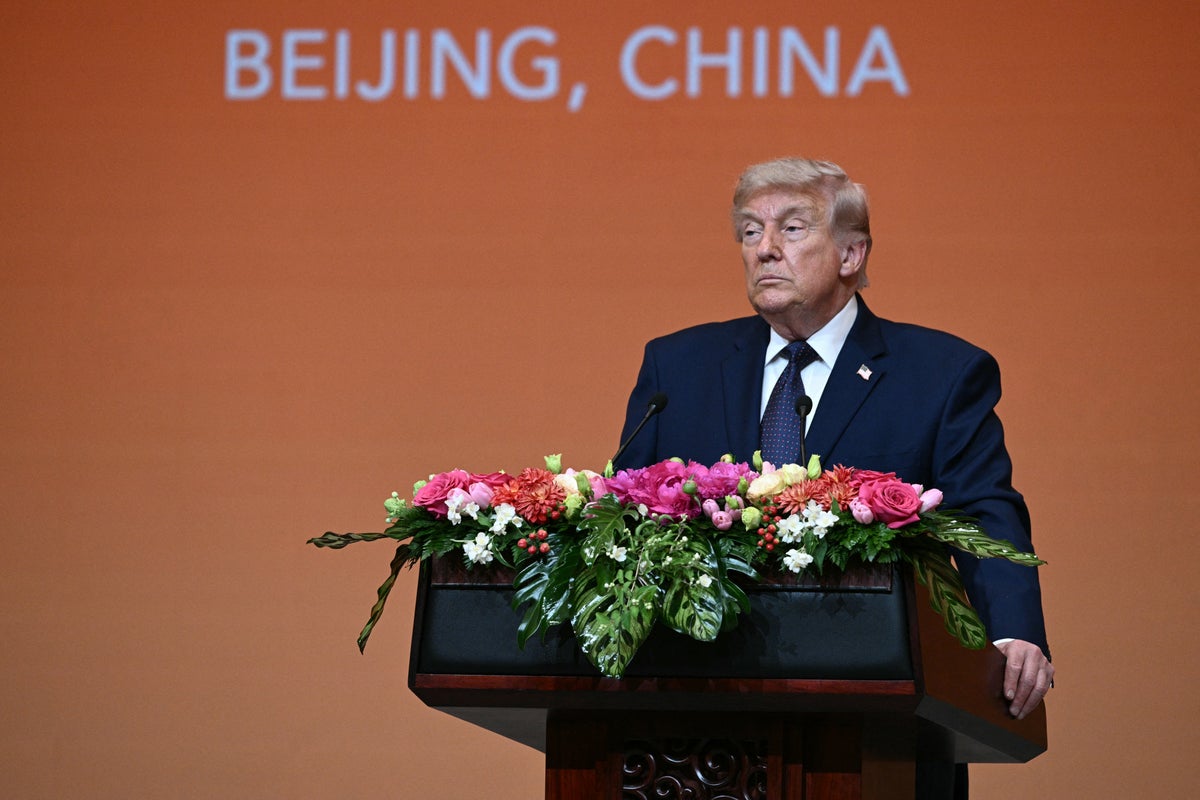
Because of those deep global ties, the list of foreign leaders requesting seats at the service is unprecedented for a single senator. Israeli Prime Minister Benjamin Netanyahu is reportedly considering flying to Washington to attend. Ukrainian officials, European diplomats, and Middle Eastern partners are all trying to coordinate their travel schedules.
Getting a handful of heads of state into the same room is hard enough. Trying to coordinate dozens of them, along with their respective security details, on just a few days' notice is practically impossible. This is why organizers had to declare a funeral during the immediate week of his passing a total impossibility.
The National Cathedral and the Capitol Shuffle
The logistics get even trickier when you look at the venues.
An offer has been made for Graham to lie in state at the U.S. Capitol, an honor reserved for the nation's most prominent public servants. While that is a fitting tribute for someone who spent 23 years in the Senate, it adds another layer of security and scheduling to an already packed Washington calendar.
From there, planners are trying to book the Washington National Cathedral. This is where the real bottleneck occurs.
- The Cathedral's calendar is booked months in advance for services, concerts, and events.
- Dignitary schedules are highly fluid and subject to sudden international crises.
- Secret Service coordination requires weeks of planning to secure a venue as massive as the National Cathedral when foreign leaders are present.
Planners are forced to play a massive game of calendar Tetris. They must find a day where the Cathedral is free, the U.S. Capitol is available for the public viewing, and dozens of world leaders can clear their schedules to fly to Washington simultaneously.
A Two State Problem
Even if organizers manage to pull off the Washington portion of the service, they aren't done.
Graham’s family and his home state of South Carolina expect a proper send-off closer to home. The current plan is to rush Graham’s remains back to South Carolina almost immediately after the Washington services conclude—likely within 24 to 48 hours.
This means planners are essentially organizing two distinct major events in two different parts of the country back-to-back.
His sister, Darline Graham—who was recently appointed by Governor Henry McMaster to temporarily fill her brother's Senate seat—is holding out hope that services can begin next week. But behind the scenes, organizers are already booking contingency dates into the following week.
What to Expect Next
If you are looking to pay your respects or simply watching how this historical moment unfolds, do not expect a quick resolution.
The best next step is to watch for official announcements from the offices of Senator Tim Scott or Darline Graham. They will be the first to release the finalized dates for the Capitol viewing and the National Cathedral service. Once those Washington dates are locked in, expect South Carolina local venues to announce their memorial schedules within hours. Until then, the state department and Senate planners will keep working overtime to untangle this diplomatic knot.