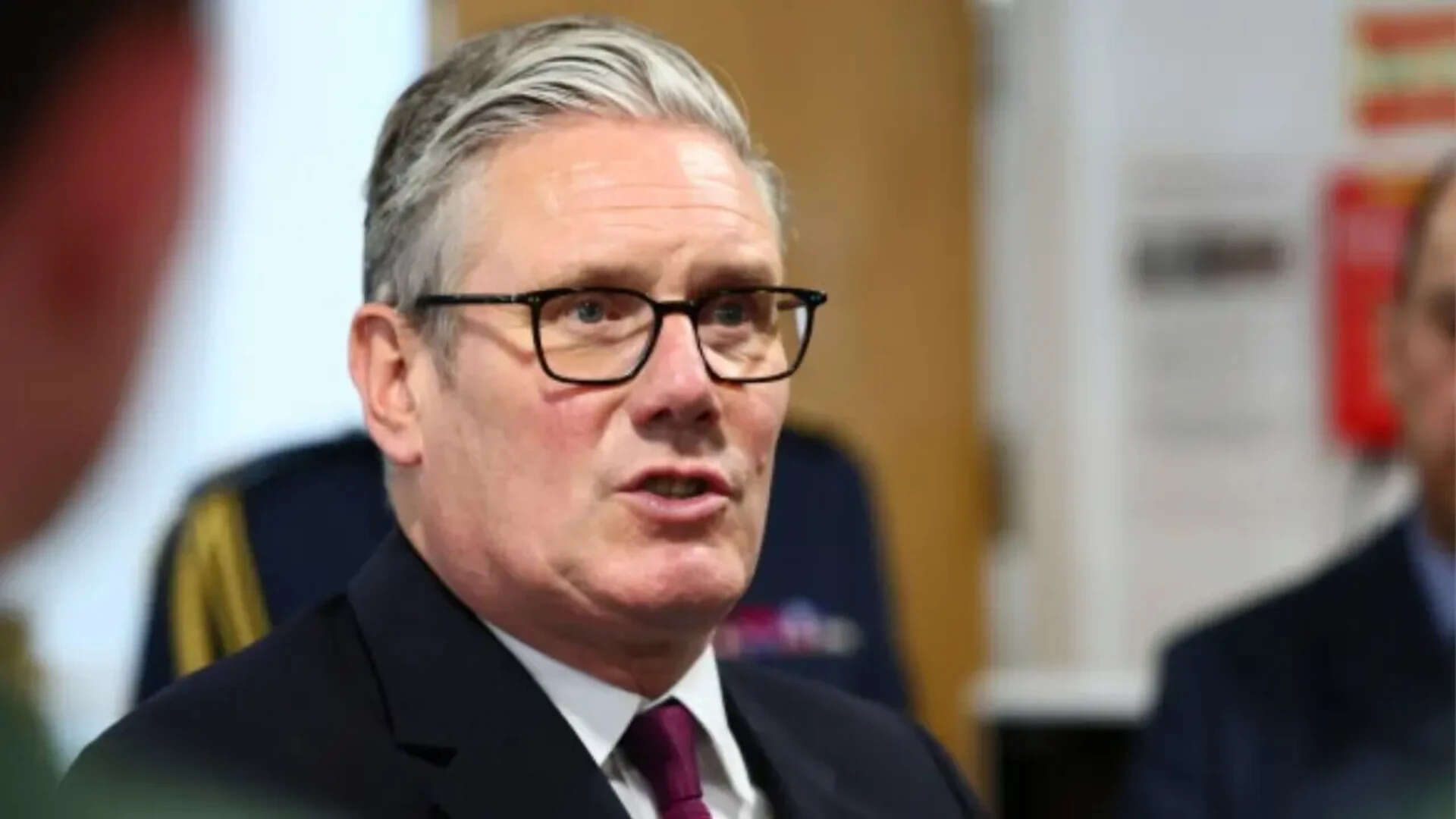
When Keir Starmer demands that the Champions League final between Arsenal and Paris Saint-Germain be broadcast free-to-air, he is not standing up for the working-class fan. He is performing a textbook piece of political theater that betrays a fundamental ignorance of how modern football finance actually functions.
The media ran with the easy headline. Politicians get to look like populist heroes, fans nod along in agreement, and subscription broadcasters like TNT Sports are painted as greedy gatekeepers. It is a neat, comfortable narrative.
It is also completely wrong.
Demanding that a private broadcaster give away its crown jewel for free is not just economically illiterate; it threatens the very ecosystem that makes English football elite. If you want Premier League clubs to compete with state-backed giants on the global stage, someone has to pay for the infrastructure. Populist grandstanding won't cover the bill.
The Illusion of Free Football
Let us dismantle the biggest myth in sports media: the idea that free-to-air television is actually free.
Television production at the elite level requires massive capital investment. The high-definition feeds, the spider-cams, the hundreds of production staff, and the global distribution networks cost millions per matchday. When a subscription broadcaster buys the rights to the Champions League, they are covering those costs and subsidizing the broader football pyramid through astronomical rights fees.
If the government forces these matches onto public service broadcasters, two things happen, and both are disastrous for the consumer.
First, the revenue generated by the sport plummets. Public broadcasters operating on license fees or commercial advertising cannot match the financial firepower of pay-TV models. Less revenue means smaller distributions to the clubs, which directly impacts their ability to recruit and retain world-class talent.
Second, the taxpayer or the general television viewer ends up footing the bill anyway. Public money spent bidding for elite sports rights is money diverted from investigative journalism, local programming, or core public infrastructure.
I have spent years analyzing media rights acquisitions and corporate sports financing. I have watched legacy media networks bleed cash trying to sustain unprofitable sports portfolios just for prestige. The math never works out in the long run. Pay-TV is the only model that aligns the heavy cost of production with the consumers who actually value the product enough to pay for it.
The European Super League Paradox
The irony of politicians demanding free access to Champions League matches is that they are actively accelerating the arrival of the breakaway leagues they claim to hate.
Consider the financial reality of a club like Arsenal competing against PSG. The French champions operate under a vastly different financial umbrella, often cushioned by state-linked commercial deals. For English clubs to remain competitive while adhering to domestic and UEFA financial regulations, they rely heavily on the massive distributions generated by domestic and international broadcast deals.
+---------------------------+-----------------------------------+
| Broadcast Model           | Financial Impact on Elite Clubs   |
+---------------------------+-----------------------------------+
| Subscription (TNT Sports) | High guaranteed revenue, global   |
|                           | growth, high production value.     |
+---------------------------+-----------------------------------+
| Free-to-Air (BBC/ITV)     | Drastically lower rights fees,    |
|                           | domestic focus, budget caps.      |
+---------------------------+-----------------------------------+
If the UK government intervenes to depress the value of premium sports rights by forcing them onto free-to-air networks, British clubs will face a massive revenue shortfall. Where do they turn to bridge that gap? They look to closed-shop, American-style breakaway leagues where broadcast revenues are guaranteed and insulated from local political interference.
Starmer’s populist intervention might win him a news cycle, but it actively undermines the financial sustainability of English clubs within the traditional European framework. You cannot demand that clubs win European trophies while simultaneously choking off the revenue streams that allow them to buy the players required to win them.
Dismantling the Right to Watch Premise
The standard argument found in every comment section is predictable: "Football is the people's game, and the biggest matches should belong to everyone."
This is emotional sentimentality disguised as a right. Football is an entertainment product. It is a highly sophisticated, multi-billion-pound industry. We do not demand that West End theaters open their doors for free when a play hits opening night, nor do we expect Netflix to stream its biggest budget films for free because they are culturally significant.
The current system already offers a compromise that critics conveniently ignore. Extensive highlights packages, radio broadcasts, and digital clips ensure the game remains accessible to the public. Total exclusion is a myth. What the populist crowd wants is the premium, live, high-definition experience without paying the premium price.
The subscription model also drives innovation. Look at how sports broadcasting has evolved over the last two decades. The multi-angle replays, the analytical data overlays, and the immersive stadium audio were not pioneered by cash-strapped public broadcasters. They were funded by pay-TV networks competing for subscribers. Forcing the game back into the constraints of traditional free-to-air formats is a regressive step that hurts the viewing experience.
The Real Cost of Corporate Subsidies
Let us look at the downside of the contrarian view, because transparency matters. The pay-TV model absolutely prices out a segment of the fanbase. It sucks that a loyal supporter who has followed their team for decades might struggle to afford the monthly subscription required to watch a final. That is a genuine social cost.
But the alternative is worse. Expecting a private commercial entity to absorb a massive financial loss to provide a public service subsidy is a dangerous precedent. If the government can dictate how a media company distributes its legally acquired sports properties, what stops them from intervening in other commercial entertainment sectors?
If public officials truly cared about football accessibility, they would focus on the grassroots level. They would address the astronomical ticket prices for live matches, the shocking state of community pitches, and the corporate ticket allocations that strip true fans of stadium seats during major finals.
Corporate sponsors and UEFA delegates take up huge swaths of stadium seating at the Champions League final, leaving real fans stranded. That is the real scandal. Targeting the broadcasters is an easy distraction from the systemic failures of football governance.
The Flawed Questions People Ask
Most discussions around this topic are built on entirely wrong premises. Look at the questions routinely lobbed at executives and politicians:
- Shouldn't public interest dictate sports broadcasting rules? This question assumes "public interest" means getting expensive things for free. The true public interest lies in maintaining a financially stable sports ecosystem that creates jobs, drives tourism, and generates tax revenue.
- How can we grow the game if kids can't watch it on TV? The premise that the game is shrinking is demonstrably false. Football interest is at an all-time high, driven by YouTube, social media, and digital platforms. Gen Z does not watch ninety-minute linear television broadcasts anyway; they consume the sport through decentralized, short-form digital content.
Stop asking how to make premium live sports free. Start asking how to reform football governance so that the billions flowing into the game from pay-TV are actually reinvested into local communities and affordable matchday tickets.
Fix the Foundation, Not the Screen
The obsession with free-to-air broadcasting is a lazy band-aid on a deeply structural issue. If you want to democratize football, leave the media rights alone and fix the actual entry points to the sport.
- Cap ticket prices across all tiers. Force clubs to lower the cost of physical attendance so the local community can actually sit in the stands.
- Tax premium broadcast rights to fund grassroots infrastructure. Instead of forcing broadcasters to give away content, levy a small percentage of elite rights deals to build all-weather pitches and fund youth coaching in working-class neighborhoods.
- Eliminate the corporate seat bloat at finals. Demand that UEFA allocate 80% of stadium capacity directly to the competing clubs' fans, rather than corporate partners and regional dignitaries.
Politicians will continue to demand free broadcasts because it requires zero effort, costs them nothing, and scores easy points with voters. But the next time a politician tells you a Champions League final should be free, realize they are asking you to trade the long-term competitiveness of English football for a single night of cheap entertainment.