Football tournaments usually run on ego and tactical systems. Right now, Portugal's 2026 World Cup campaign is running on something else entirely. Grief.
If you've watched any of Portugal's matches in the United States, you probably noticed the players wearing matching green and red wristbands. They aren't fashion statements, and they aren't part of a commercial sponsorship. They're a quiet, FIFA-approved tribute to Diogo Jota. The former Liverpool and national team forward tragically passed away alongside his brother, André Silva, in a horrific car crash in Spain last year. He was only 28, a player right at the peak of his powers, with 49 caps and 14 international goals to his name.
Losing a teammate changes a dressing room forever. Some teams fall apart under that kind of emotional weight, but manager Roberto Martínez has turned this tragedy into an ultimate collective purpose. The squad wants to win the entire tournament for him.
The Story Behind the Wristbands
The wristbands didn't come from a sportswear brand. Portuguese Prime Minister Luís Montenegro actually gifted them to the team during a pre-tournament meeting. Each player has their own name engraved on the band alongside Jota's name.
Midfielder Vitinha shed light on how the team decided to handle the gesture. The Prime Minister left it completely up to the players whether they wanted to wear them just at the hotel or during live matches. The squad met and made a unanimous choice. They wanted them on the pitch for every single minute of active play.
Getting permission wasn't a given. FIFA is notoriously strict about equipment regulations and political or personal messages on gear. The manufacturing of these wristbands had to follow precise guidelines to meet all on-pitch specifications. It's a rare logistical exception for a massive emotional cause.
More Than Just a Marketing Stunt
Some critics online labeled the wristbands a cynical political publicity stunt by the government. That misses the mark completely. Look at the players. Look at Rúben Neves, who got a permanent tattoo dedicated to his best friend. Look at Cristiano Ronaldo, who reportedly gifted personalized watches to the Nations League squad and requested Jota's share be delivered to his grieving family.
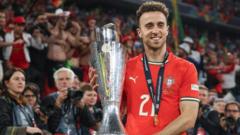
This isn't corporate signaling. It's real trauma being channelled into high-stakes sports performance. Martínez summarized it perfectly when he called Jota their light and their reference point. Jota won the Nations League with his country, but his ultimate dream was lifting the World Cup trophy. That dream now lives through twenty-six other guys.
Navigating a Grueling World Cup Campaign
Emotion gets you through the door, but you still have to win the football matches. Portugal's group stage campaign wasn't a smooth ride. They started with a tense 1-1 draw against DR Congo before absolutely demolishing Uzbekistan 5-0. They wrapped up Group K with a physical, grinding 0-0 stalemate against Colombia in Miami.
Now the real tournament begins. Up next is a brutal Round of 32 clash against Croatia in Toronto.
When you lose a player who provided tactical flexibility and elite finishing, you have to reinvent your attack on the fly. Martínez is relying heavily on Bruno Fernandes, Vitinha, and a timeless Ronaldo to carry the creative burden. They aren't just playing against a structured Croatian midfield. They're fighting the exhaustion of traveling across North American time zones.
How to Follow Portugal Journey
If you want to see if this emotional fuel can carry Portugal all the way to the final on July 19, keep an eye on how they handle structural pressure. Watch the wrists of the players during the anthems.
To stay on top of the campaign, track the live match broadcasts on major networks like Fox Sports and Telemundo in the US, or BBC and ITV if you're keeping tabs from Europe. Pay attention to how Martínez uses his substitutes in the later stages of knockout games. That depth will decide if they can actually pull off this tribute. They aren't just playing for medals anymore. They're playing for a legacy.