The Silence After the Choice
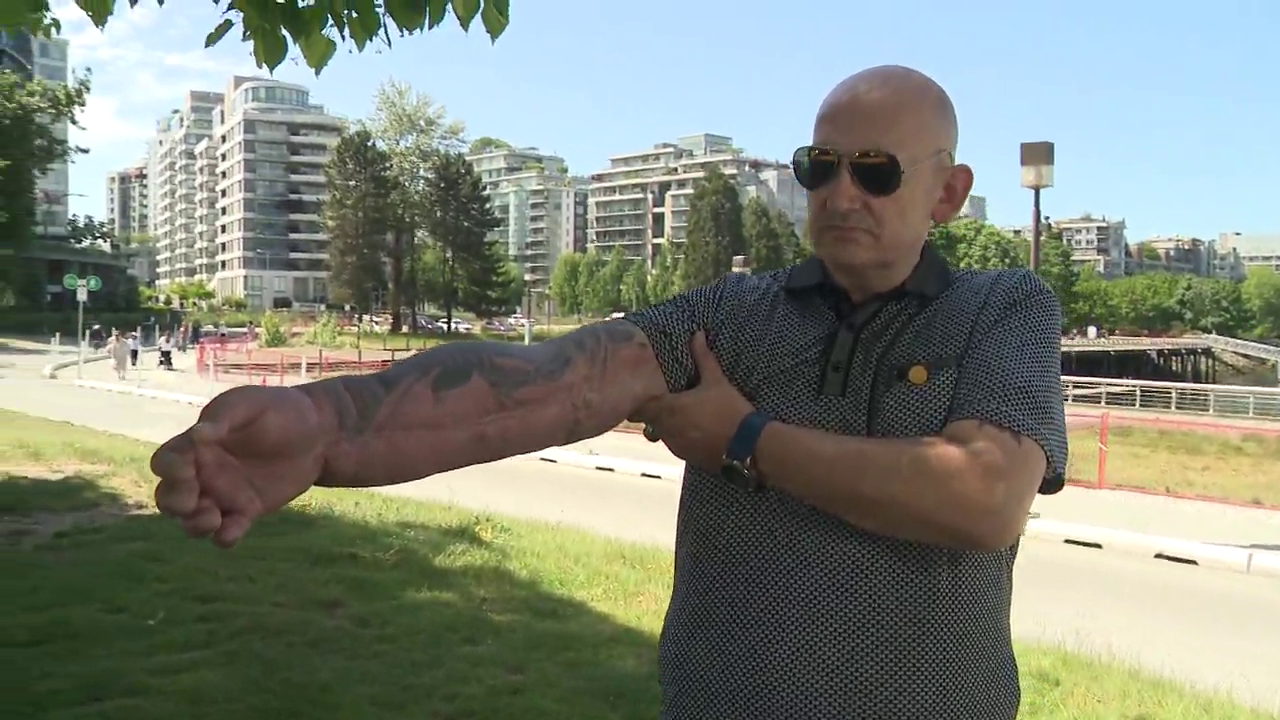
Ross Wightman didn’t expect to become a statistic. In early 2021, like millions of others across British Columbia, he rolled up his sleeve. He did what public health officials asked, believing he was protecting his family, his community, and himself.
Days later, his body began to turn against him.
It started with a subtle, unnerving sensation. A tingling in his feet that rapidly climbed up his legs. Within days, the simple act of standing became an impossible ordeal. Doctors eventually diagnosed him with Guillain-Barré Syndrome, a rare neurological condition where the immune system attacks the peripheral nerves. It was traced directly to his COVID-19 vaccination.
Suddenly, the world went quiet. The clear, direct messaging that urged citizens toward vaccination offered no immediate roadmaps for those who suffered severe, life-altering side effects.
A System Built for the Many, Unprepared for the Few
Canada’s Vaccine Injury Support Program was established to create a safety net. The promise was straightforward: if you are one of the incredibly rare individuals harmed by a vaccine meant to protect the public good, society will support you.
The reality turned out to be far more complex.
Claims began piling up almost immediately after the program launched. Bureaucratic machinery, designed to carefully vet every single medical document, moved at a crawl. For individuals like Ross, who found themselves unable to work while facing mounting therapy costs, waiting months—or years—for a response was not merely an inconvenience. It was a financial crisis.
Consider the mechanics of the process. To receive compensation, an applicant must gather exhaustive medical records, secure specialist reports linking the injury directly to the shot, and submit to reviews by independent medical panels. Each step requires time. Each step requires energy that a debilitating condition actively drains away.
The math is stark. While millions of doses were administered successfully, the tiny fraction of a percent who experienced severe adverse reactions found themselves navigating an overwhelming maze of red tape.
The Human Weight of Waiting
Loss of health is rarely just physical. It cascades into every corner of daily existence.
When income stops but mortgage payments, grocery bills, and physical therapy invoices keep arriving, stress becomes a constant companion. The psychological toll of feeling abandoned by the very system you trusted weighs just as heavily as the physical impairment.
Ross fought for recognition, not just for financial relief, but for validation. To be injured by a public health measure and then left in administrative limbo creates a unique kind of isolation. Friends and neighbors moved on, life returned to normal for the majority, while a small group remained stuck in the moment their health fractured.
The delay in compensation isn't just about spreadsheets or government budgets. It is about human dignity. It is about whether a society that asks its citizens to take collective action stands behind those who suffer the rare downside of that collective decision.
Fixing the Safety Net
If public trust in health systems is to endure, support systems cannot function as afterthoughts. They must operate with the same speed and efficiency as the programs designed to deliver treatment.
streamlining paperwork, increasing panel capacity, and providing interim support for claimants with clear medical documentation are critical steps. A safety net that holds you up two years after you fall has missed the point of catching you in the first place.
Ross Wightman’s story isn't a argument against public health. It is a reminder of the human cost that sits on the margins of policy decisions. Behind every claim number is a person waiting for the promise of support to be kept.