The rain in Los Angeles does not fall gently. It arrives with a sudden, bruising weight, turning the oily dust of the asphalt into a slick film and driving anyone living on the concrete beneath the freeway overpasses into frantic, futile searches for dry cardboard.
Across town, inside a dimly lit VIP booth of an exclusive nightclub, the bass does not care about the rain.
Ice rattles against crystal. Laughter cuts through the strobe lights. A man signs a receipt for thousands of dollars in premium champagne, his signature fluid and unburdened. He is not worried about a leaking tent or a stolen sleeping bag. He is wearing designer shoes that have never touched a puddle, financed by a system built to pull broken lives out of the mud.
Federal prosecutors would later paint the picture in cold, gray ledgers. Millions of dollars diverted. Grant funds meant for housing the unhoused siphoned into luxury trips, private club memberships, and high-end purchases. Bureaucratic numbers on a spreadsheet translated into cold bottle service and leather seats. But numbers do not capture the sound of a plastic tarp snapping violently in a midnight wind. Numbers do not tell you what it feels like to watch hope get embezzled one transaction at a time.
Trust is a fragile architecture.
When a city looks at its streets and sees an escalating crisis, it reaches for its wallet. Taxpayers vote for bonds. Lawmakers pass emergency measures. Millions of dollars flow into the machinery of non-profits and public agencies with a singular, desperate mandate: shelter the vulnerable, feed the hungry, restore human dignity to the pavement.
Everyone wants to believe the machine works. We crave the comfort of knowing that somewhere, professionals are doing the hard, grinding work of salvation.
Corruption thrives in that exact psychological blind spot. It relies on our collective exhaustion. We are too tired from our own daily commutes, our own bills, our own quiet despairs, to audit the ledger of every charitable organization we support. We hand over the check and look away, preferring the fiction of progress to the messy, complicated truth of oversight.
Imagine a ledger. On the left side, write the names of human beings sleeping on concrete grates, weathering infections, cold sweats, and the slow erosion of self-worth. On the right side, write bottle service, luxury resort bookings, and boutique shopping sprees.
The distance between those two columns is not just financial fraud. It is a moral chasm.
When federal investigators swoop in with indictments, the media cycles through the standard vocabulary of scandal. Embezzlement. Wire fraud. Abuse of public trust. The headlines flash for twenty-four hours, feeding our cynical appetite for tales of human greed, and then the news cycle rolls forward. Another press conference. Another stern-faced official at a podium promising better controls.
Yet the real damage is not captured in the court filings. The real damage is collateral and invisible.
Every time a scammer buys luxury goods with money earmarked for a homeless services grant, a shadow falls over every legitimate caseworker trying to earn a living wage while wading through bureaucratic quicksand. A seed of doubt is planted in the mind of the voter who decides never to approve another funding measure. A door closes in the heart of a community that grows just a little bit colder, a little bit more cynical, a little more willing to step over the person shivering on the sidewalk.
Despair is contagious.
We have all felt it. That moment of looking at a sprawling urban encampment and feeling a crushing sense of powerlessness. You wonder if any amount of money can fix a problem this deep. You wonder if the system is simply broken by design.
That is the true yield of the fraudster's investment. They do not just steal dollars; they steal public faith. They weaponize our compassion against us, turning empathy into a liability.
To understand how this happens, we have to look past the villain of the week and examine the ecosystem that allowed a suspect to treat a humanitarian crisis like a personal ATM. Bureaucracy loves ambiguity. When money flows through multi-layered subcontracting networks with minimal auditing, it enters a fog. In that fog, accountability dissolves.
It reminds you of how easily we confuse motion with progress. We measure success by how many millions of dollars are allocated, rather than how many human lives are stabilized. We celebrate the size of the budget while ignoring the size of the failure on the ground.
(Note: The descriptions of nightclub luxury and the psychological weight of public cynicism are illustrative narrative frameworks designed to humanize the systemic failure detailed in federal indictment records.)
Consider what happens when the lights come on in that nightclub and the music stops. The patrons leave, stepping into waiting Ubers, returning to quiet homes with soft beds and locked doors.
Out on the pavement, the rain keeps falling.
The tarp is still torn. The cold is still sharp. The human beings for whom the entire multi-million-dollar apparatus was ostensibly constructed are still waiting for a promise that was cashed out somewhere across town.
We talk endlessly about solutions. We debate housing first policies, zoning laws, mental health mandates, and policing strategies. But none of those tools will ever work if the fuel meant to power them is continually intercepted by thieves wearing tailored suits.
Integrity is not a line item on a budget sheet. It is the invisible foundation beneath everything else. Without it, every brick of policy we lay will eventually slide into the mud.
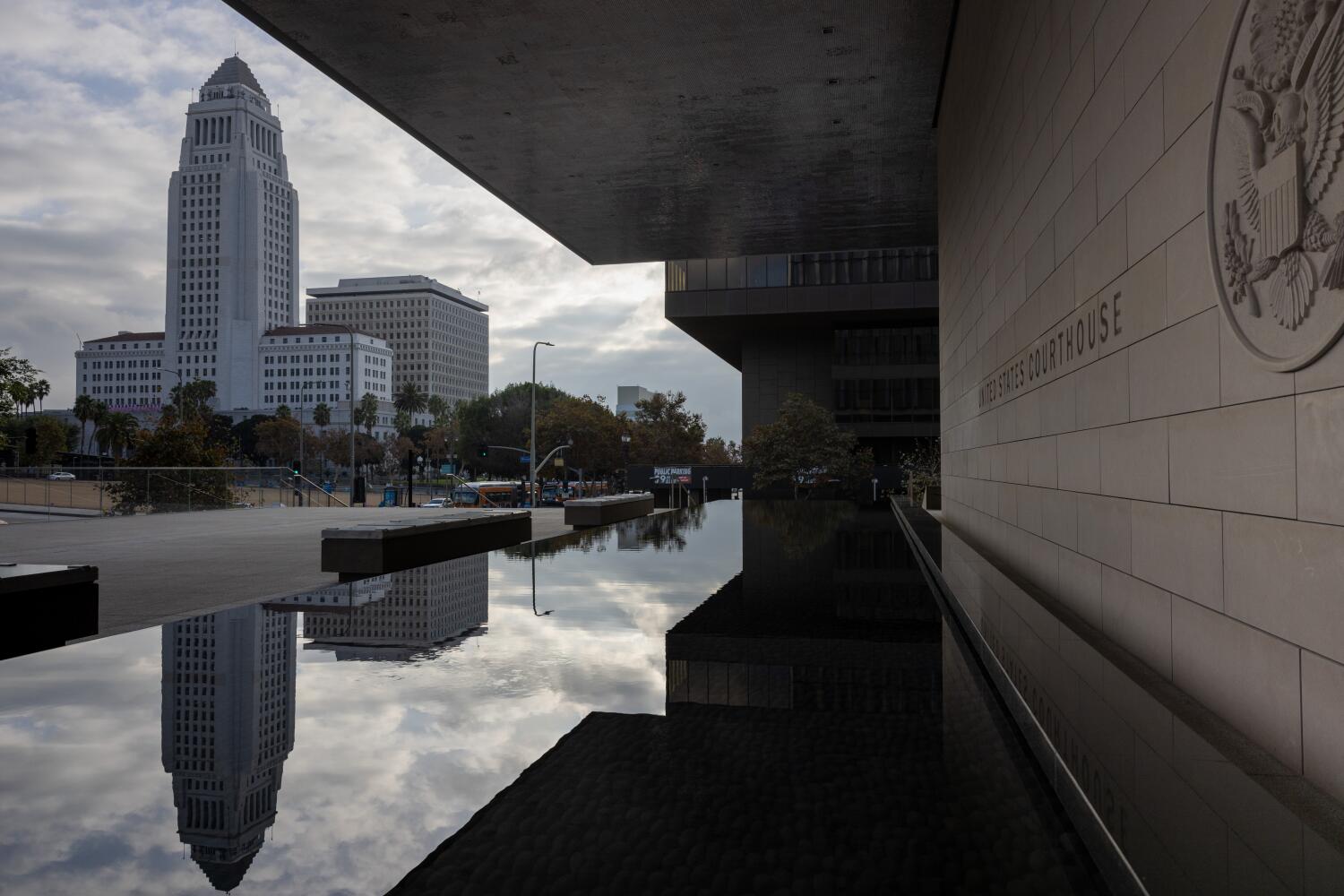
The gavel will eventually fall in a federal courtroom. Restitution orders will be signed. Prison sentences will be handed down. The news cycle will find a new outrage to consume.
But the sidewalk remains.
And until we demand an accounting that goes deeper than financial compliance—until we treat the theft of public trust as the violent crime against human lives that it truly is—we will continue watching the same tragedy play out under different neon lights.
The music fades. The receipt is signed. And the night goes on.