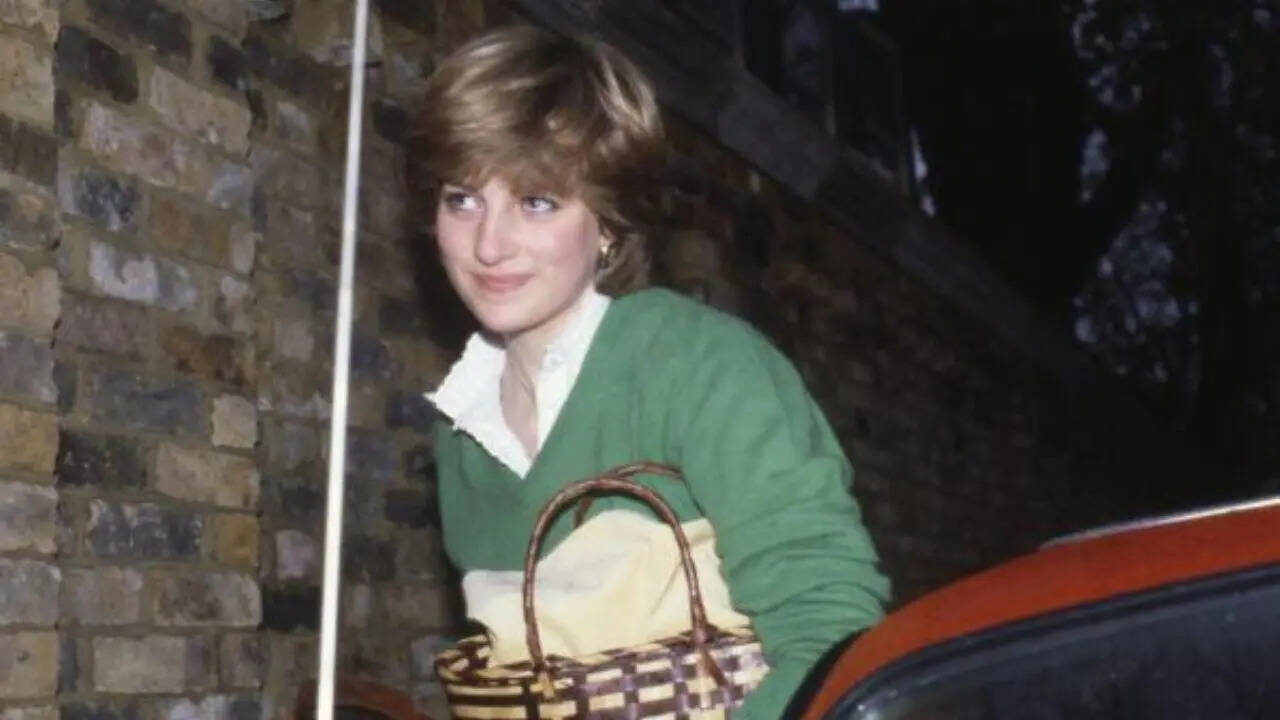
When Princess Diana said, "I like to be a free spirit. Some don't like that, but that's the way I am," she wasn't just talking about breaking royal protocol. She was naming the heavy tax that comes with refusing to shrink yourself to make others comfortable.
Most people love the idea of authenticity until it gets messy. We celebrate individuality on mood boards and quote graphics, but when someone in our actual orbit refuses to play by unspoken social rules, we squirm. Diana lived that tension every single day. Pushed into the global spotlight as a very young woman, she was expected to be a quiet, compliant ornament. Instead, she chose to lead from the heart, bending traditions that felt cold or outdated. Discover more on a connected topic: this related article.
The Cost of Unapologetic Individuality
Being a free spirit sounds whimsical. It sounds like barefoot walks on the beach and spontaneous weekend road trips. In reality, living on your own terms means managing a constant stream of disapproval.
When Diana famously dropped her gloves during charity visits so she could hold the bare hands of people suffering from HIV/AIDS or leprosy, she shattered decades of stiff institutional distance. It was an act of raw human empathy. Yet establishment figures panicked. They wanted the safe, predictable optics of the past. Diana chose human connection over sterile comfort. Additional analysis by BBC highlights comparable views on the subject.
That choice cost her dearly. When you stop performing the role people wrote for you, they call you difficult. They call you unstable. Diana faced intense media scrutiny and institutional freezing precisely because she wouldn't stay in her designated lane.
Why We Still Misunderstand Freedom
We tend to think autonomy means doing whatever we want without consequence. Diana's approach was different. Her independence wasn't about rebellion for its own sake; it was about alignment. She once noted that she led from the heart rather than the head, even though it landed her in trouble.
Think about your own life. How often do you mute your opinions in meetings to keep the peace? How often do you wear the outfit, take the career path, or host the holiday dinner simply because breaking the script feels too risky?
We trade our edges away for safety. We want the crown of a free spirit without paying the toll of being disliked. Diana's quote acknowledges that friction head-on. She didn't say, "I'm a free spirit and everyone loves me for it." She admitted that some people hated it. And she accepted that trade-off.
Drawing the Line Between Performance and Truth
The modern pressure to curate a personal brand online creates a new cage. We broadcast carefully edited versions of our lives, calling it authenticity. True independence looks a lot less aesthetic.
It looks like setting a boundary with a family member who disrespects your time. It looks like changing careers at forty because your old path feels hollow. It looks like letting people misunderstand you rather than exhausting yourself trying to control their narratives.
You cannot twist yourself into a pretzel trying to earn universal applause and expect to keep your soul intact. Diana's legacy isn't just about fashion moments or tragic headlines. It's a template for radical self-ownership.
Stop waiting for everyone to approve of your choices. They won't. Lean into the discomfort of being your actual self, and let the rest burn away.