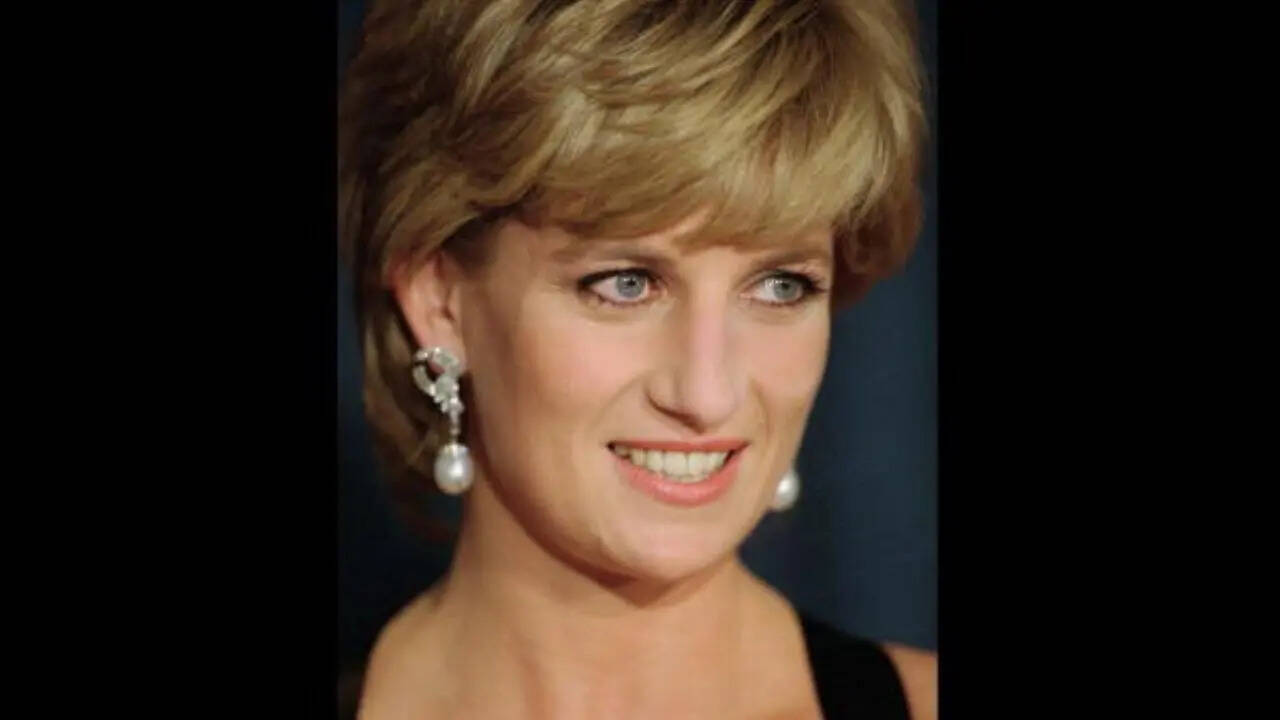
Princess Diana changed how the world viewed royalty, but her real legacy rests in a simple, disruptive idea.
"Carry out a random act of kindness, with no expectation of reward, safe in the knowledge that one day someone might do the same for you."
You've probably seen this quote plastered on Instagram tiles or corporate PowerPoint slides. It gets treated like a sweet, harmless greeting card sentiment. That completely misses the point. When Diana spoke those words, she wasn't offering bland fluff. She was delivering a radical philosophy on human connection that flew directly in the face of rigid establishment protocols.
People search for this quote because they're looking for inspiration. But the real value lies in understanding why this specific mindset alters your own brain chemistry and how to actually practice it without being fake.
The Story Behind Princess Diana Random Acts of Kindness Quote
Diana lived her life under a relentless microscope. Every move was calculated by palace courtiers or captured by paparazzi lenses. In that environment, everything was transactional. Standard royal charity work was structured, photographed, and leveraged for public relations.
Diana broke that mold. She routinely slipped out of Kensington Palace at night, away from the cameras, to visit homeless shelters or sit with dying patients in London hospitals. She didn't bring a media crew.
When she spoke about random kindness, she meant doing things that offered zero social currency. The phrase "no expectation of reward" was a direct challenge to the high-society world she inhabited, where every favor required payback. She understood that true compassion loses its power the moment it becomes a marketing strategy.
What Science Says About Unplanned Giving
Altruism isn't just moral. It's biological. When you perform a spontaneous kind act, your brain undergoes a measurable shift that psychologists call the helper's high.
Research from institutions like the Greater Good Science Center at UC Berkeley shows that altruistic behavior releases a cocktail of feel-good chemicals. Dopamine spikes, giving you that immediate rush of satisfaction. Oxytocin floods your system, lowering your blood pressure and reducing inflammation.
- Spontaneous acts trigger more joy than scheduled volunteering.
- The element of surprise heightens the neurological reward for both giver and receiver.
- It actively dampens the amygdala, the brain's stress center.
There's a catch, though. Your brain knows when you're faking. If you perform a kind act purely to post about it on LinkedIn or to make yourself look good, the psychological benefit plummets. The "no expectation" part of Diana's philosophy is actually the mechanism that unlocks the neurological rewards.
The Ripple Effect Is Real Math
Diana's quote mentions the safe knowledge that someone might do the same for you. That sounds like wishful thinking, but social scientists have tracked this exact phenomenon. It's called upstream reciprocity.
A well-known study published in the Proceedings of the National Academy of Sciences analyzed how behavior spreads through networks. The researchers found that when one person behaves kindly, it triggers a domino effect. The recipient is significantly more likely to treat a third party with kindness later that day. The study showed that behavior cascades across social networks up to three degrees of separation. Your small action changes the day for people you will never meet.
We see this in everyday life. Think of the classic drive-thru chain reaction where one driver pays for the car behind them, sparking a streak that lasts for hours. It works because receiving unexpected generosity shifts a person's worldview, even if just for an hour. It breaks the modern defensive crust we all walk around with.
Where Most People Mess This Up
Most people fail at this because they overthink it. They assume an act of kindness needs to involve a grand gesture or a financial donation. It doesn't.
Another common trap is the expectation of gratitude. You hold the door open for someone, they walk through without looking up from their phone, and suddenly you're annoyed. If their lack of a "thank you" ruined your mood, you didn't do it with zero expectation. You did it to buy a reaction.
True random kindness requires total detachment from the outcome. You do the thing, you walk away, and you forget about it. The reward happens inside you, not in the other person's response.
How to Put This Into Practice Today
Stop waiting for the perfect opportunity to be a good person. The best moments are small, messy, and entirely unscripted.
Start by keeping your eyes open during your normal routine. Pay the toll for the car behind you. Leave a massive tip for a server who is clearly having a brutal shift, and walk out before they count the cash. Write a message to a former coworker out of the blue, telling them specifically how their advice helped your career three years ago.
You can also leave a glowing online review for a small local business that struggled through the week, or clean up a mess in your communal office kitchen that you didn't make.
Don't announce it. Don't tweet it. Keep the secret to yourself and let the psychological benefits do their work. It's a quiet, incredibly effective way to reclaim your humanity in a world that constantly demands you look out only for number one. Turn off your phone, look at the people around you, and find one small way to tip the scales toward decent behavior today.