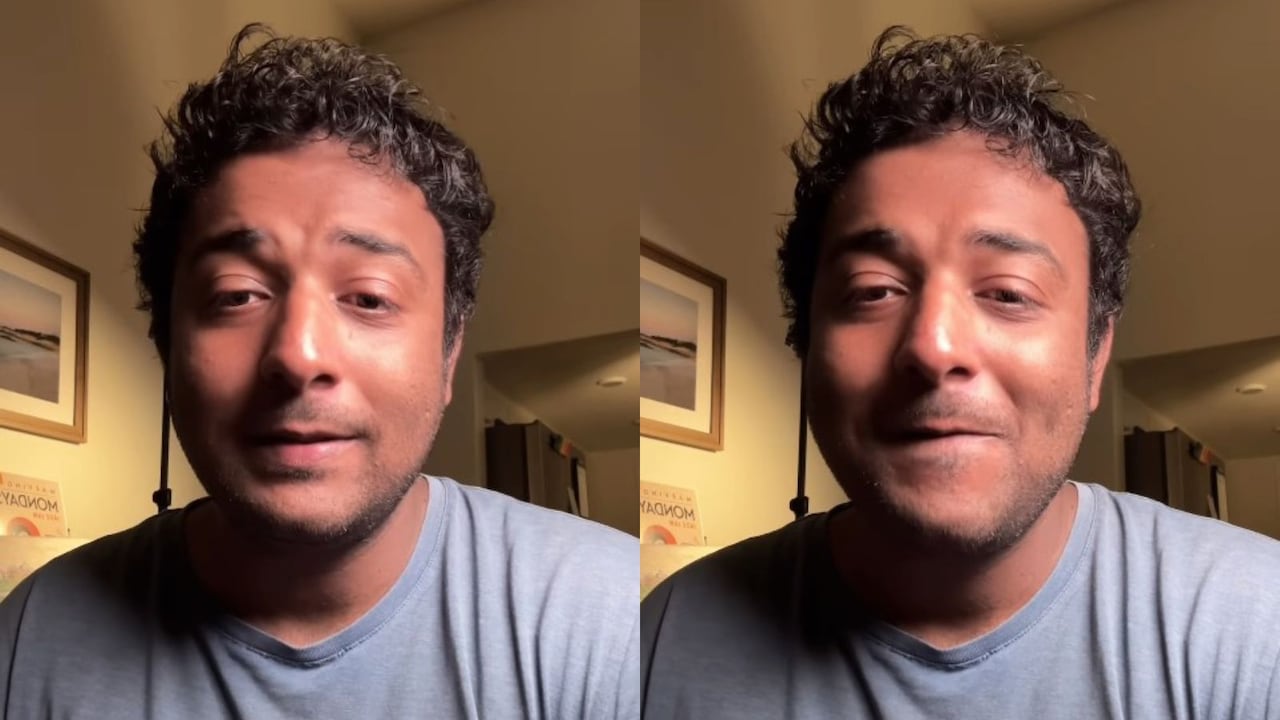
Two weeks inside an immigration detention facility can change how a person views the entire world. For New Delhi-born jazz guitarist and composer Pritesh Walia, a routine return to Los Angeles turned into a 14-day nightmare behind bars. When US Immigration and Customs Enforcement took him into custody on August 2, his instruments, his phone, and his daily life vanished instantly. Released on bond, Walia recently shared that the ordeal left him feeling completely broken, shedding light on a fragile system that often catches independent artists off guard.
The Sudden Drop Into Detention
Walia landed in Los Angeles expecting to continue his creative routine, but immigration authorities had other plans. Caught up in alleged visa complications, he was transferred to the notorious Adelanto ICE Processing Center in California.
If you have never experienced an immigration holding facility, the psychological toll is difficult to grasp. Your world shrinks to concrete walls and endless hours of uncertainty. For Walia, who spent years building a respected career across Berklee College of Music and the New England Conservatory, the transition from stage performer to detainee was jarring.
Navigating the Bureaucratic Machine
Immigration enforcement rarely moves at the speed of human life. While official statements remain sparse, the reality for detained artists highlights a massive blind spot in how visas and creative careers intersect.
Independent musicians don't always fit neatly into corporate work visa categories. They move internationally for gigs, collaborations, and education. When a visa status gets flagged, the machinery of detention kicks in immediately. Walia's friends and legal counsel had to scramble just to establish contact and secure his personal release on bond.
When Chronic Illness Meets Custody
The situation carried an even heavier weight considering Walia's recent medical history. A few years ago, severe chronic conditions like Persistent Postural Perceptual Dizziness and vestibular migraines derailed his daily routines. Dealing with chronic vertigo and balance issues is draining under normal circumstances. Facing those health battles inside an isolated detention block adds a layer of quiet cruelty that few outsiders ever see.
The Power of a Global Music Community
Isolation breaks people down, but solidarity keeps them standing. While Walia sat cut off from his phone and personal belongings, the jazz community mobilised. Hundreds of messages waited for him upon release, serving as a reminder that artistic networks transcend borders.
Walia noted that hearing people fight for him gave him something tangible to hold onto. That collective push kept hope alive during his darkest hours in Adelanto.
What This Means for International Artists in the US
The case serves as a harsh wake-up call for foreign nationals studying or performing music stateside. Legal experts always advise keeping every single immigration document backed up digitally and accessible to a trusted attorney. Even with extraordinary ability credentials or top-tier educational backgrounds, nobody is completely immune to sudden enforcement actions.
Walia is currently back home with his loved ones, taking time to heal while his immigration proceedings move forward. The music community welcomed him back, but the structural vulnerabilities that allowed a celebrated artist to disappear into an ICE facility for two weeks remain entirely unaddressed.
/https://i.s3.glbimg.com/v1/AUTH_59edd422c0c84a879bd37670ae4f538a/internal_photos/bs/2025/r/d/qLf9ppQoCgPRfYpZ7dwA/54880379716-8dbc544fe0-k.jpg)