In the high-stakes theater of geopolitical conflict, truth is often the first casualty, quickly followed by infrastructure. The recent evacuation of a hospital in the Middle East, triggered by a nearby military strike, has ignited a fierce war of words, with Iran swiftly condemning what it terms a barbaric act of aggression. But behind the immediate outrage lies a far more complex reality of modern warfare. This incident is not merely a localized tactical strike. It is a calculated move in a broader chess game where civilian facilities are increasingly caught in the crossfire of proxy conflicts, and where the subsequent media fallout is as heavily planned as the physical bombardment itself.
Understanding this crisis requires looking beyond the immediate headlines of destruction. We must examine how regional powers utilize asymmetric warfare, how international humanitarian law is being tested to its limits, and why civilian infrastructure has become the ultimate geopolitical battleground. If you found value in this article, you should read: this related article.
The Strategic Anatomy of the Strike
Military actions in densely populated areas are rarely straightforward. When a strike occurs near a highly sensitive target like a hospital, the immediate international reaction is almost always condemnation.
However, military planners on both sides operate under a different set of calculations. Modern asymmetric warfare relies heavily on embedding military assets within or adjacent to civilian infrastructure. This tactic creates a profound dilemma for opposing forces. For another angle on this story, check out the latest update from USA Today.
- The Shielding Strategy: Non-state actors and proxy forces frequently position command centers, weapon depots, or rocket launchers near schools, hospitals, and residential blocks. This is done to deter attacks, knowing that any strike will carry a massive political and diplomatic cost.
- The Precision Dilemma: Even with highly advanced guidance systems, the margin of error in urban combat is razor-thin. A strike targeting a legitimate military asset just dozens of meters from a medical facility can cause enough collateral vibration, pressure waves, or debris to force an immediate and panicked evacuation.
- The Propaganda Dividend: When an evacuation occurs, the physical damage to the military target is often overshadowed by the humanitarian crisis. For state sponsors like Iran, these moments are immediately weaponized in the global court of public opinion to delegitimize their adversaries.
This cyclic pattern has repeated across various theaters of conflict for decades. The physical strike is merely the opening salvo. The real battle is fought in the hours that follow, across news feeds and diplomatic chambers.
The Architecture of Proxy Warfare
To understand why these incidents occur with such frequency, one must dissect the relationship between state sponsors and their local proxies. Iran has spent decades establishing a sophisticated network of aligned militias across the region. This network serves a dual purpose. It projects Iranian influence far beyond its borders, and it provides a layer of plausible deniability.
This setup fundamentally alters how conventional militaries approach targeting.
When a state military decides to neutralize a threat, they are often targeting a mobile, highly integrated proxy force rather than a standing army. These proxy forces do not operate out of clearly marked military bases. They utilize the existing urban fabric.
"In asymmetric conflict, the urban environment is not just the battlefield; it is the weapon itself."
Consequently, when a strike is launched, the attacking nation often claims it targeted a specific command node or munition stockpile. Conversely, the local authorities and their international backers will focus entirely on the proximity to civilian life. Both narratives can be factually true at the same time, illustrating the muddy ethics of modern urban engagement.
International Humanitarian Law Under Strain
The legal frameworks governing warfare were largely drafted in an era of conventional state-on-state conflict. The Geneva Conventions assume a clear distinction between combatants and non-combatants, as well as military and civilian objects.
In today's gray-zone conflicts, these distinctions are deliberately blurred.
Under international humanitarian law, a hospital loses its protected status if it is being used outside its humanitarian function to commit "acts harmful to the enemy." However, even if a medical facility is being used for military purposes, an attacker must still adhere to the principle of proportionality. The anticipated civilian harm must not be excessive in relation to the concrete and direct military advantage expected from the attack.
Evaluating proportionality in real-time is nearly impossible for outside observers. It requires knowing exactly what intelligence the attacking force possessed, the nature of the target, and the specific weapons used. Without this information, accusations of war crimes become political tools rather than objective legal assessments. This ambiguity benefits those who wish to manipulate public perception, leaving the international community paralyzed by conflicting claims.
The Information War and the Rhetoric of Outrage
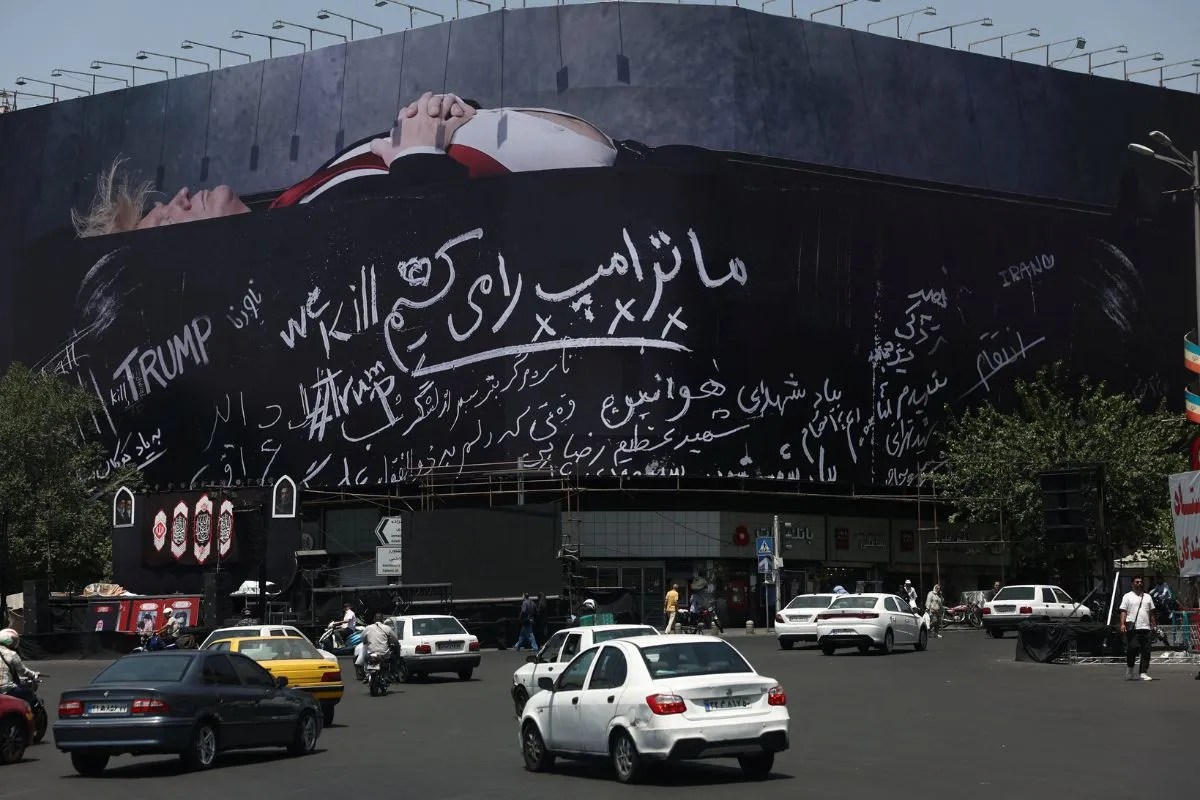
The speed with which official statements are released after such incidents highlights the preparation behind the information campaign. Iran’s rapid condemnation of the attack as "barbaric" is a textbook example of narrative control.
State-directed media outlets and diplomatic channels are mobilized instantly to broadcast images of fleeing patients, distressed medical staff, and damaged wards.
These images carry immense emotional weight. They bypass analytical scrutiny and appeal directly to global outrage. By framing the event entirely around the suffering of civilians, the underlying military context—such as why the strike occurred in that specific location or what assets were hidden nearby—is successfully obscured.
For the attacking nation, countering this narrative is an uphill battle. Releasing declassified intelligence, satellite imagery, or gun camera footage takes time. By the time a detailed, evidence-based explanation is presented, the public has already moved on, the emotional damage is done, and the narrative of an indiscriminate attack has solidified.
The Human Cost of the Gray Zone
Behind the strategic calculations, the legal debates, and the propaganda campaigns lie the very real human consequences of these operations. A hospital evacuation is not a simple logistical exercise. It is a chaotic, life-threatening event for vulnerable patients.
Intensive care patients reliant on life support, newborns in incubators, and individuals undergoing emergency surgeries cannot be moved easily.
The disruption of medical services during an evacuation often leads to preventable deaths that are rarely recorded on the battlefield statistics. Furthermore, the psychological terror inflicted on both patients and healthcare workers creates long-lasting trauma, hollows out local healthcare systems, and drives vital medical professionals to flee the region entirely.
When the dust settles, the physical structure of a hospital might remain largely intact, but its ability to function is shattered. This systematic degradation of civilian resilience is one of the most devastating, yet least discussed, outcomes of modern proxy warfare. It ensures that even if a conflict ends, the society remains broken for generations.