Doha insists that only negotiations can resolve regional tensions because military escalation threatens Qatar's physical security, maritime lifelines, and economic survival far more severely than any other Gulf state. When Qatari officials preach diplomacy, they are not reciting an abstract moral creed. They are protecting a peninsula with thin geography, massive energy exposure, and an urgent need to keep shipping lanes open.
Standard wire reports treat Doha's diplomatic push as routine statecraft. A close reading of the conflict shows something sharper. Qatar sits inside the blast radius of a confrontation involving the United States, Iran, Israel, and regional armed groups, while simultaneously trying to manage shipping disruptions around the Strait of Hormuz and ongoing fighting across Gaza, Lebanon, and the broader Gulf. Talking is not a hobby for Qatar. It is a survival mechanism.
Geography Turns Every Missile Into a Chokepoint
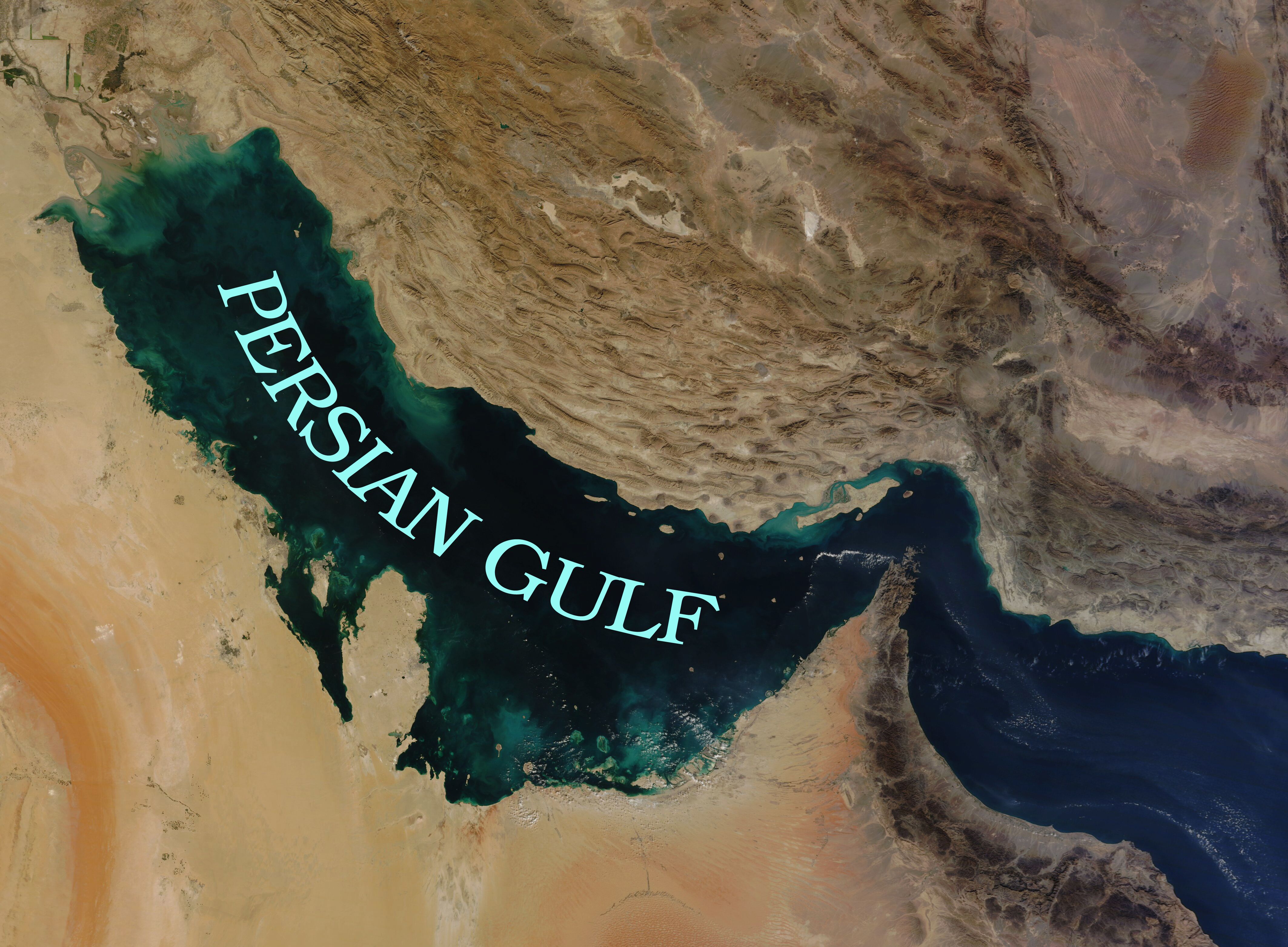
Look at a map of the Persian Gulf and the geometry of risk becomes obvious. Qatar projects outward on a narrow peninsula with limited land depth and heavy reliance on maritime routes for exports and imports alike. When tensions flare around the Strait of Hormuz or regional air defenses light up, commercial shipping slows, insurance premiums spike, and supply chains strain almost immediately.
Larger neighbors have more room to absorb shocks. Saudi Arabia can route crude through alternative pipelines or lean on broader domestic scale, even while facing cross-border missile threats. Qatar does not have that luxury. A prolonged conflict or sustained blockade of key waterways hits Doha's trade, energy shipments, and food imports with punishing speed. The International Monetary Fund projected in October 2026 that Qatar's economy would contract by 15.6 percent that year under the weight of the war.
Diplomacy for a small energy exporter in a volatile neighborhood is less about idealism and more about buying time before physical disruption becomes permanent.
This vulnerability explains why Qatari leaders push back so hard against military escalation. Even when Doha has faced direct attacks and backed defensive responses, its officials keep returning to backchannels and indirect talks. Every day of active fighting raises the odds of a miscalculation that shuts down ports, rattles energy markets, or drags neighboring capitals deeper into war.
How Qatar Operates Between Rivals That Refuse Direct Talks
Mediation works only when both sides need a messenger they cannot meet face to face. Washington and Tehran have repeatedly clashed over nuclear issues, sanctions, and maritime security while struggling to agree on basic ground rules for direct contact. Meanwhile, regional conflicts in Gaza, the West Bank, and Lebanon keep pulling outside powers into overlapping crises.
Doha has spent years cultivating open lines to actors that other capitals isolate or refuse to engage. That access gives Qatar value in Washington, Tehran, and regional capitals alike. When US officials weigh pressure campaigns or military options against Iran, and Iranian officials look for ways to test whether sanctions relief or de-escalation is possible, Qatar positions itself as the relay point.
The Mechanics of Quiet Backchannels
Public statements rarely reveal what happens in a negotiation room. Real movement usually starts with narrow, step-by-step proposals rather than grand peace treaties. Mediators carry drafts, test red lines, and look for small confidence-building steps—such as easing specific restrictions, clarifying shipping rules, or setting terms to pause strikes.
Consider a hypothetical example of how an indirect exchange plays out in practice. Suppose Washington wants guarantees on maritime transit and regional restraint before lifting a specific economic restriction, while Tehran demands visible sanctions relief before altering its posture. A Qatari envoy meets separately with each side, floats a phased sequence of steps, and flags where each demand triggers an immediate veto. Nothing looks dramatic on television during those hours. Yet without that quiet translation of motives and limits, both sides often misread silence as hostility.
Why Mediation Draws Fierce Criticism
Being in the middle never makes a country universally popular. Critics argue that talks led by Doha can buy time for armed groups or hardline governments without resolving root causes. Others point out that mediation can leave key regional actors outside the room when sensitive security files are discussed.
Those criticisms carry real weight. A pause in fighting is not the same thing as a lasting settlement. If a negotiation only freezes a conflict until both sides rearm or regroup, the next round of violence can start from an even more dangerous baseline. At the same time, Doha has also deepened defense ties—such as its mutual defense agreement with Turkey and counter-drone cooperation with Ukraine—showing that Qatar pairs diplomatic outreach with hard security hedges rather than relying on goodwill alone.
| Factor | Negotiation Track | Military Escalation Track |
|---|---|---|
| Impact on Gulf shipping | Aims to keep lanes open and reduce risk | Raises threat of blockades, strikes, and rerouting |
| Speed of results | Often slow, conditional, and reversible | Fast to trigger, slow to contain once underway |
| Main risk to Doha | Stalled talks or blamed for concessions | Direct physical hits, trade shock, and economic contraction |
| Role of outside powers | Relies on Washington, Tehran, and partners engaging | Draws in regional allies, proxies, and defense pacts |
What Negotiations Actually Can and Cannot Fix
Expecting negotiations to erase decades of distrust overnight is a sure way to get disappointed. Deep disputes over regional influence, security guarantees, sanctions, and territory do not vanish because two delegations agree to keep talking. Even when talks produce momentum or interim ideas, gaps over core demands can stall progress for months.
Still, there is a practical difference between solving a conflict and stopping it from spiraling out of control. Negotiations can set temporary boundaries, open humanitarian or commercial breathing room, and give leaders an exit ramp when domestic or military pressures build. For Qatar, keeping that door open is the only rational option when every alternative carries a far steeper bill. Watch whether rival capitals actually accept compromises on shipping and sanctions—or simply use talks to stall while preparing for the next strike.