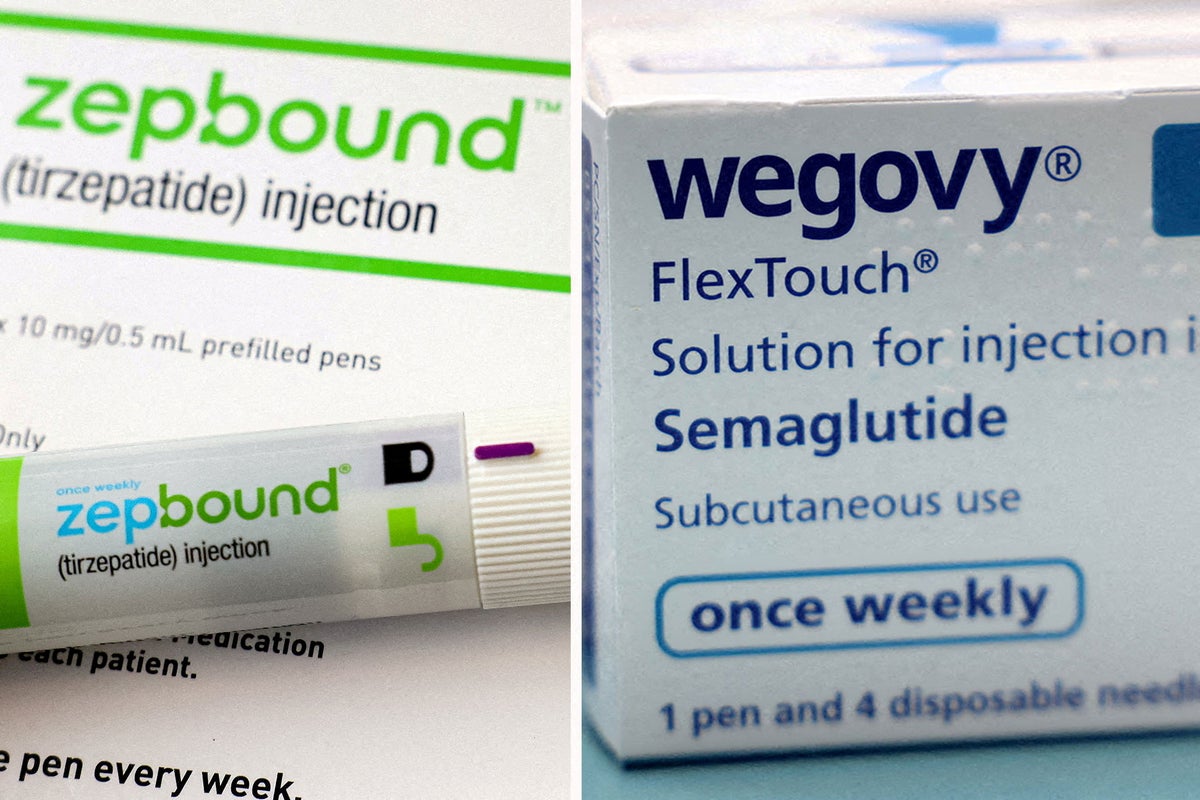
Pharmaceutical comparative advertising operates on a narrow margin between scientific disclosure and commercial manipulation. The federal false advertising lawsuit filed by Novo Nordisk against Eli Lilly in the U.S. District Court for the District of New Jersey exposes how trial design choices, dose-scaling timelines, and clinical endpoint selection are weaponized to establish commercial dominance in a metabolic drug market projected to exceed $100 billion by 2030.
At the center of the dispute under Section 43(a) of the Lanham Act is whether Eli Lilly’s promotional campaigns for tirzepatide (marketed as Zepbound for obesity and Mounjaro for Type 2 diabetes) misrepresent the relative efficacy of Novo Nordisk’s semaglutide (marketed as Wegovy and Ozempic) by anchoring comparative claims to historical dosing protocols while ignoring newly approved higher-dose formulations.
The Dose-Titration Arbitrage Strategy
The core mechanism of the litigation centers on dosage non-equivalence in comparative messaging. Direct-to-consumer advertising in the United States permits pharmaceutical firms to state comparative efficacy outcomes derived from clinical trials. However, the commercial utility of these claims depends heavily on which specific dosages are selected for comparison.
       SURMOUNT-5 HEAD-TO-HEAD TRIAL (2024 DATA)
       ┌──────────────────────────────────────┐
       │ Tirzepatide (Zepbound) 10mg / 15mg  │  ---> ~50 lbs (~20.9% weight loss)
       └──────────────────────────────────────┘
                          vs
       ┌──────────────────────────────────────┐
       │ Semaglutide (Wegovy) 1.7mg / 2.4mg   │  ---> ~33 lbs (~15.0% weight loss)
       └──────────────────────────────────────┘

       FDA APPROVAL & STEP UP TRIAL (MARCH 2026 DATA)
       ┌──────────────────────────────────────┐
       │ Semaglutide (Wegovy) 7.2mg           │  ---> ~47 lbs (~20.7% weight loss)
       └──────────────────────────────────────┘
       * No direct head-to-head trial exists between Tirzepatide 15mg and Semaglutide 7.2mg.
Eli Lilly’s nationwide promotional materials cite findings from its SURMOUNT-5 trial, completed in 2024, which evaluated tirzepatide at its maximum approved doses of 10 mg and 15 mg against semaglutide at its legacy maximum dose of 2.4 mg. In that trial, tirzepatide demonstrated an average weight reduction of approximately 50 pounds (20.9%), compared to approximately 33 pounds (15.0%) for 2.4 mg semaglutide.
The analytical discrepancy emerged following the U.S. Food and Drug Administration’s March 2026 approval of a 7.2 mg high-dose formulation of Wegovy, developed to expand receptor engagement and maximize total body weight loss.
- Trial Protocol Asymmetry: SURMOUNT-5 evaluated semaglutide capped at 2.4 mg because the 7.2 mg dose was undergoing late-stage clinical evaluation in the STEP UP trial protocol.
- Absolute Absolute Efficacy Parity: In the STEP UP phase III trial evaluating semaglutide 7.2 mg over 72 weeks, participants achieved a mean body weight reduction of 20.7% (approximately 47 pounds).
- The Baseline Gap: Monotherapy trials for maximum approved doses show a margin of less than two pounds between tirzepatide 15 mg (
48 pounds) and semaglutide 7.2 mg (47 pounds). - Ad Anchor Arbitrage: Promotional messaging continues to display the 50-pound versus 33-pound differential derived from the 2.4 mg comparison, relegating mentions of the 7.2 mg approval to fine-print disclosures.
By maintaining marketing claims based on the 2.4 mg dose baseline, the promotional material constructs a visual and cognitive narrative of dual-receptor superiority (GLP-1/GIP co-agonist vs. single GLP-1 agonist) that reflects historical dosing constraints rather than current clinical capability.
The Three Determinants of Comparative False Advertising Claims
To establish liability under the Lanham Act for deceptive comparative advertising, a plaintiff must prove five statutory elements: false or misleading statements, actual deception, materiality to purchasing decisions, interstate commerce involvement, and injury. In pharmaceutical efficacy disputes, courts evaluate these elements through three specific technical lenses.
1. Literal Falsity Versus Implied Deception
A statement in a prescription drug advertisement can be literally false or literally true yet misleading. Eli Lilly contends that its advertising is literally true because it accurately reports the empirical results of the SURMOUNT-5 head-to-head trial.
Novo Nordisk’s legal theory relies on the doctrine of literal falsity by necessary implication. When an advertisement presents a head-to-head comparison without explicitly qualifying that the competitor's product has been upgraded to a higher approved dose with distinct efficacy profiles, the structural implication conveyed to the consumer is that the comparison reflects the maximum potential of both treatments.
2. The Head-to-Head Trial Standard
Courts treat "tests prove" or "clinical trial shows" claims with heightened scrutiny. If an advertiser explicitly cites clinical trial results, the plaintiff need only demonstrate that the trial does not establish the claim made, or that the trial has been rendered scientifically irrelevant by subsequent regulatory approvals.
No randomized, double-blind clinical trial has directly compared tirzepatide 15 mg against semaglutide 7.2 mg. Consequently, Novo Nordisk asserts that citing SURMOUNT-5 to represent the comparative profile of the two brand platforms relies on an incomplete scientific record.
3. Materiality and Prescriber Behavior
In prescription therapeutics, the target audience comprises both healthcare providers and end-user patients. Materiality requires proving that the comparative weight loss delta—specifically a 17-pound gap versus a 1-pound gap—directly influences treatment selection.
Data from clinical practice surveys indicates that prescribers weigh percentage of total body weight loss as a primary variable when initiating anti-obesity pharmacotherapy for patients with a Body Mass Index (BMI) exceeding 35. A stated differential of 5.9 percentage points (20.9% vs 15.0%) drives brand switching, whereas a differential of 0.2 percentage points (20.9% vs 20.7%) shifts the clinical decision to secondary factors such as gastrointestinal tolerability, injection frequency, and insurance coverage.
Biochemical Mechanisms and Dose-Response Realities
Understanding the validity of comparative marketing claims requires evaluating the underlying receptor pharmacology of mono-agonists and dual-agonists. The narrative that dual-receptor targeting inherently outclasses single-receptor targeting oversimplifies receptor kinetics and dose escalation dynamics.
Receptor Affinity and Binding Profiles
Tirzepatide acts as a unimolecular dual GIP (glucose-dependent insulinotropic polypeptide) and GLP-1 (glucagon-like peptide-1) receptor agonist. Its affinity for the GIP receptor is equal to native GIP, whereas its binding affinity for the GLP-1 receptor is lower than native GLP-1.
Semaglutide is a selective GLP-1 receptor agonist with high binding affinity for the human GLP-1 receptor, engineered with a extended half-life via albumin binding.
At lower clinical doses (semaglutide 2.4 mg), receptor occupancy for GLP-1 pathways approaches a plateau, but satiety signaling can be further amplified either by adding GIP agonism (tirzepatide) or by increasing central nervous system penetration through higher semaglutide concentration (semaglutide 7.2 mg).
Gastrointestinal Tolerability Trajectories
Increasing drug concentration to achieve parity introduces distinct side effect profiles that affect real-world persistence rates.
+------------------------------------+------------------------------------+------------------------------------+
| Clinical Metric                    | Semaglutide 7.2 mg (STEP UP)       | Tirzepatide 15 mg (SURMOUNT-1/5)   |
+------------------------------------+------------------------------------+------------------------------------+
| Mean Weight Loss (% of Total Body) | 20.7%                              | 20.9%                              |
+------------------------------------+------------------------------------+------------------------------------+
| Discontinuation due to Adverse     | 8.4%                               | 6.7%                               |
| Events                             |                                    |                                    |
+------------------------------------+------------------------------------+------------------------------------+
| Incidence of Nausea                | 41.2%                              | 31.0%                              |
+------------------------------------+------------------------------------+------------------------------------+
| Incidence of Vomiting              | 22.1%                              | 12.2%                              |
+------------------------------------+------------------------------------+------------------------------------+
| Dose Titration Schedule Length     | 24 Weeks                           | 20 Weeks                           |
+------------------------------------+------------------------------------+------------------------------------+
The data shows that while semaglutide 7.2 mg achieves numeric efficacy parity with tirzepatide 15 mg, it does so at the cost of higher gastrointestinal adverse event rates. Nausea occurs in 41.2% of patients on semaglutide 7.2 mg compared to 31.0% on tirzepatide 15 mg, while vomiting rates are nearly double.
This creates a distinct clinical trade-off: tirzepatide achieves its efficacy profile through synergistic dual-receptor activation with lower individual receptor stimulation, whereas high-dose semaglutide achieves equivalent efficacy through maximum GLP-1 receptor saturation at the expense of higher GI tolerability burdens.
Economic and Supply Chain Bottlenecks in Drug Scaling
Legal disputes over advertising accuracy often serve as proxies for broader supply chain and market capture dynamics. Commercial success in the GLP-1 category is governed by manufacturing throughput rather than demand generation.
                           GLP-1 VALUE CHAIN BOTTLENECK

┌─────────────────────────┐     ┌─────────────────────────┐     ┌─────────────────────────┐
│ Active Pharmaceutical   │ ──> │ Pen Device Assembly &   │ ──> │ Insurance Coverage &    │
│ Ingredient (API) Synth. │     │ Aseptic Filling         │     │ Formulary Placement     │
└─────────────────────────┘     └─────────────────────────┘     └─────────────────────────┘
            │                               │                               │
            ▼                               ▼                               ▼
  High-capacity peptide         Specialized fill-finish         Tier 1 PBM placement
  synthesis facilities          contract manufacturing          dependent on head-to-head
  (Clayton, NC / Denmark)       (Catent / Lonza capacity)       efficacy data
Manufacturing Scaling Constraints
The transition from a 2.4 mg dose to a 7.2 mg dose requires a 300% increase in Active Pharmaceutical Ingredient (API) volume per patient per month to maintain the same patient population size.
- Peptide Synthesis Yields: Recombinant and solid-phase peptide synthesis of long-chain amino acid sequences face yield degradation at higher production scales.
- Fill-Finish Capacity: Dual-chamber auto-injector pens and high-volume aseptic filling lines represent a persistent global bottleneck in pharmaceutical logistics.
- Inventory Allocation Prioritization: Novo Nordisk's deployment of API toward 7.2 mg pen production limits the total volume of individual pens available for lower-dose initiation, constraining new patient acquisition rates.
Formulary Position and Pharmacy Benefit Manager Negotiations
Pharmacy Benefit Managers (PBMs) structure drug formularies based on comparative clinical cost-effectiveness. A drug demonstrating clear clinical superiority secures preferred status (Tier 2/Tier 3 lower copay tiers) without requiring steep rebate concessions.
If Eli Lilly’s promotional messaging successfully fixes the public and clinical consensus around a 50-pound versus 33-pound weight loss gap, PBMs leverage that narrative to demand higher rebate concessions from Novo Nordisk to grant formulary access for Wegovy. Conversely, if Novo Nordisk establishes clinical parity through legal or corrective advertising interventions, the rebate pressure shifts back to net price competition.
Regulatory and Judicial Precedents in Pharma Advertising
The resolution of this litigation depends on established Judicial interpretations of the Lanham Act within the pharmaceutical sector.
The Corrective Advertising Remedy
Novo Nordisk's request for a preliminary injunction and compulsory corrective advertising aligns with established precedent in Warner-Lambert Co. v. FTC and Novartis Consumer Health, Inc. v. Johnson & Johnson-Merck Consumer Pharmaceuticals Co.
In Novartis, the court established that where an advertisement misleads consumers on a key performance metric through selective data presentation, disclaimers printed in small typeface are legally insufficient to cure the deceptive impression. Eli Lilly’s addition of a footnote acknowledging the approval of semaglutide 7.2 mg may fail the legal standard of clear and conspicuous disclosure if the primary visual graphic emphasizes the historical 33-pound figure.
Financial Exposure and Profit Disgorgement
Under Section 35 of the Lanham Act, a prevailing plaintiff can recover:
- Defendant's profits derived from the false advertising campaign.
- Any damages sustained by the plaintiff (lost sales and brand equity erosion).
- The costs of the legal action.
Calculations of profit disgorgement in this market carry significant financial weight. Given that US GLP-1 revenues run into tens of billions annually, even a minor fractional shift in market share attributed to misleading advertising translates to financial damages exceeding hundreds of millions of dollars.
Strategic Playbook for Market Positioning
To navigate the current legal, regulatory, and pharmacological landscape, both market participants must realign their commercial operations based on verifiable clinical metrics rather than historical trial artifacts.
Operational Adjustments for Novo Nordisk
- Fund Head-to-Head High-Dose Trials: Initiate an immediate, prospective, randomized controlled trial comparing semaglutide 7.2 mg directly against tirzepatide 15 mg to establish definitive, unassailable comparative endpoints across weight loss, cardiometabolic risk factors, and hepatic steatosis reduction.
- Restructure Promotional Messaging Hierarchy: Reframe sales force interactions away from legacy 2.4 mg data and anchor all clinical detailing on total body weight percentage reduction (20.7%) and cardio-protective outcomes established in the SELECT trial series.
- Optimize API Synthesis Efficiency: Reallocate manufacturing throughput toward fill-finish capacity for 7.2 mg auto-injectors to prevent regional supply stockouts that undermine marketing conversion.
Operational Adjustments for Eli Lilly
- Modify Comparative Advertising Layouts: Transition promotional graphics from historical absolute weight loss comparisons (50 lbs vs 33 lbs) to dose-matched head-to-head trial disclosures that explicitly state the trial parameters (SURMOUNT-5) alongside current regulatory dosage availability.
- Pivot to Tolerability and Retention Metrics: Leverage tirzepatide’s lower rate of gastrointestinal treatment discontinuations (6.7% vs 8.4%) and superior nausea profile as the primary clinical differentiator over high-dose single-agonist regimens.
- Accelerate Triple-Agonist Development: Advance retatrutide (GIP/GLP-1/glucagon triple receptor agonist) through Phase III trials to establish a new clinical efficacy benchmark (>24% weight loss) that bypasses the single versus dual-agonist debate entirely.

.png?width=1200&auto=webp&trim=0%2C0%2C0%2C0)