The roads that snake through Napa County after midnight are dark, flanked by miles of silent vineyards sleeping under the California sky. It is a place where wealth buys privacy, and privacy buys a quiet life away from the relentless glare of the national spotlight. But headlines do not care about the quiet. They care about friction.
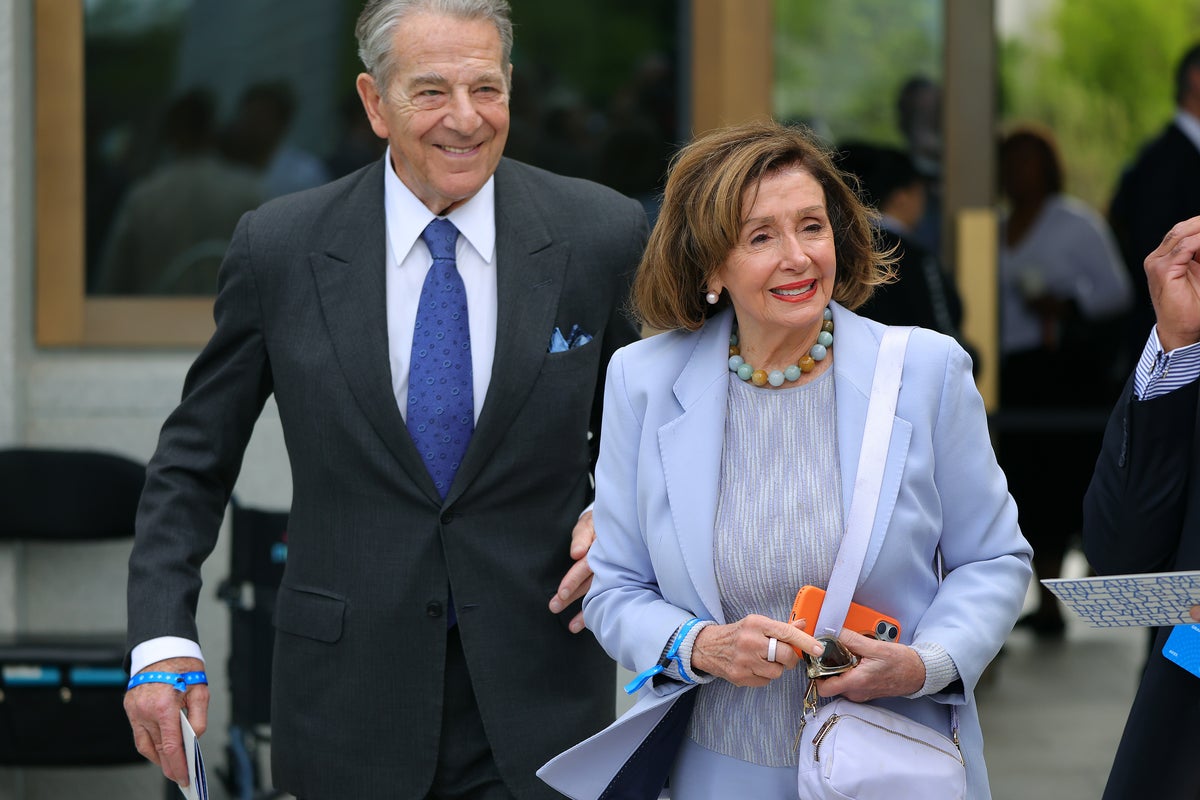
When a 2021 Porsche Carrera collided with a Jeep near State Route 29, it wasn't just a routine traffic accident handled by local authorities. It became an instant flashpoint in American cultural discourse. The reason was simple: the man behind the wheel of the Porsche was Paul Pelosi, the husband of then-House Speaker Nancy Pelosi. If you liked this piece, you should look at: this related article.
CRASH.
The metal crumpled, the glass shattered, and in that split second, a private citizen’s misjudgment was dragged into the unforgiving arena of public scrutiny. The incident escalated when the initial reports shifted from a simple collision to something far more legally damaging: allegations of a hit-and-run. For another perspective on this development, refer to the latest coverage from NPR.
Consider what happens next in the legal system when high-profile figures are involved. The machinery of justice moves under an intense microscope, where every decision made by prosecutors is analyzed for signs of favoritism or undue severity. The California Highway Patrol and Napa County prosecutors faced the daunting task of treating the spouse of one of the most powerful politicians in the world exactly like anyone else.
The core facts established by the investigation revealed that the collision occurred close to midnight. Blood alcohol testing later indicated a level right at or above the legal limit. But the detail that captured the public's imagination, and fueled the news cycle, was the accusation that Pelosi attempted to leave the scene before the proper authorities could fully document the incident.
In the eyes of the law, a hit-and-run charge transforms a mistake of judgment into a question of character. It implies an attempt to evade responsibility, to make the problem disappear in the dark. For the driver of the Jeep, a 48-year-old worker just trying to get home, the crash was not a political event. It was a terrifying disruption to a normal life.
The defense argued the mechanics of the crash were misunderstood, stating that the vehicles had moved to a safer location rather than fleeing. Yet, the legal system relies on strict definitions. Napa County prosecutors filed charges of driving under the influence causing injury and the subsequent hit-and-run component.
This story matters because it pulls back the curtain on the illusion of immunity. No amount of influence can stop the physical laws of a car crash, nor can it entirely shield a person from the slow, deliberate grind of the legal process. The case eventually moved toward a plea, resulting in probation, fines, and a brief, symbolic jail sentence served through work release and time credited.
The crumpled Porsche was towed away, the court documents were filed into archives, and the vineyard roads returned to their usual midnight silence. But the incident remains a stark reminder that on the asphalt, everyone occupies the same vulnerable space. The true cost of that night was not measured in damaged luxury vehicles or legal fees, but in the permanent shattering of the quiet anonymity that even the most powerful people occasionally crave.