Thunder Across the Gray Horizon
Salt air corrodes everything if you give it enough time. Metal, paint, patience. On the deck of a commercial fishing vessel rolling off the coast of East Asia, the sea looks infinite, flat, and deceptive. The diesel engine throbs beneath your boots, a steady, mechanical heart keeping you anchored to sanity. Then, without a whisper of radar warning visible to a civilian eye, the sky snaps.
It is not thunder. Thunder rolls. This is a sharp, concussive crack that rattles the teeth in your jaw and sends a shudder straight down the spine of the hull.
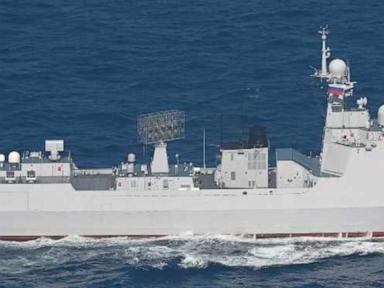
Miles away, a steel island painted haze-gray cuts through the swells. A Chinese naval destroyer. Its deck guns smoke, spitting live artillery shells into open water.
There is a precise moment when routine naval training transforms into something terrifying. It happens in the narrow gap between intent and perception. For Tokyo, that line was crossed when live-fire drills unfolded near waters where Japanese vessels navigate, triggering a formal diplomatic protest over maritime safety.
On paper, naval exercises are routine announcements—coordinates published in notices to mariners, dry technical jargon designed to keep ships clear. But out on the water, high-explosive rounds careening through the atmosphere at thousands of feet per second leave zero room for error. A single miscalculation, a drifting fishing boat, or a jammed communications link changes the course of modern history in an instant.
The Invisible Stakes of Open Water
Consider a hypothetical watch officer named Kenji aboard a Japanese Maritime Self-Defense Force patrol vessel.
He stands in the dimly lit Combat Information Center, illuminated only by the cool glow of tactical displays. Green tracks flicker across the screen, tracking radar contacts across hundreds of square miles. Kenji does not see a political debate or an abstract foreign policy strategy on his monitor. He sees speed, bearing, and distance.
He sees a foreign warship executing high-energy maneuvers.
When a warship unlimbers its main gun battery, every officer within radio range feels a cold drop in their stomach. The rules of engagement at sea rely entirely on predictability. You trust that the other captain knows where his shells will land. You trust that his target area is clear. You trust that he respects the delicate equilibrium of international air and maritime space.
When that trust breaks down, safety concerns cease to be bureaucratic paperwork. They become a matter of life and death.
To understand why a few rounds of naval gunfire in the open ocean cause seismic waves in Tokyo, you have to look at the map through the eyes of an island nation. Japan depends almost entirely on the sea for its survival. Energy, food, raw materials—everything arrives on giant cargo vessels threading through narrow, congested sea lanes.
When live ammunition begins splashing into those shared waterways, the sea suddenly feels very small.
A Chess Game Played with Live Rounds
The mechanics of a modern naval destroyer are horrifyingly efficient. Automated radar systems lock onto targets in milliseconds. Fire-control computers calculate wind velocity, barrel wear, earth rotation, and ocean swell before the trigger is pulled.
Yet, for all the sophisticated electronics, warship bridge operations remain intensely human.
Put yourself in the boots of the crew firing those guns. Young sailors, sweaty, strained, operating under high-pressure orders from commanders intent on projecting power. They are executing drills meant to signal strength, to show that their navy can operate anywhere, anytime.
Now look across the water through Kenji’s binoculars.
He sees the flash. He waits for the impact. The ocean geysers upward in white foam. Was that impact zone safely inside international norms? Or did it slice too close to commercial shipping lanes? Did the firing ship issue proper, timely warnings, or were those warnings broadcast so late that vessels in the area had to scramble to alter course?
Tokyo’s protest is not merely about gunpowder; it is about protocol.
International law permits nations to conduct military drills in international waters. That right is clear. But that right comes with a non-negotiable obligation: due regard for the safety of other vessels. When live-fire exercises occur without adequate warning or in areas cluttered with civilian traffic, the line between routine force projection and reckless intimidation vanishes.
The Cost of a Single Mistake
Naval history is littered with tragedies born not of deliberate malice, but of misjudgment.
A radar shadow misidentified. A misread coordinate. A communication delay during a critical operational window. In the tense atmosphere of the East China Sea, where warships from multiple superpowers constantly shadow one another, the friction is palpable.
Imagine a container ship carrying thousands of tons of cargo, crewed by twenty civilian sailors from half a dozen countries. These vessels cannot turn on a dime. They require miles to alter course and hours to clear a danger zone. If a sudden live-fire exercise begins near their route without sufficient advance notice, they are rendered defenseless obstacles in a shooting range.
This is the core of the danger.
When military planners treat ocean corridors like private ranges, the human cost is shifted onto everyone else sharing the water. Fishermen trying to make a living. Merchant mariners carrying global commerce. MSDF officers forced to sail closer and closer to monitor the situation, their fingers resting mere inches from elevated threat alerts.
The psychological toll on these crews is immense. Every radar flicker requires an instant assessment: Is this a test, a threat, or a blunder?
The Ripple Effect Across the Pacific
The anger from Tokyo does not exist in a vacuum. It reverberates through regional capitals from Manila to Washington.
Every live-fire exercise conducted near disputed or sensitive waters sends a message. The military brass sending those destroyers out into the waves know this. The drills are designed to establish a new normal, to gradually condition neighboring countries into accepting an expanding military presence as routine.
Response strategies cannot rely solely on harsh diplomatic statements. They require relentless monitoring, air patrols, and surface tracking.
That constant posture of high readiness drains personnel and wears down machinery. Engines burn through thousands of gallons of fuel just to stay positioned alongside foreign task groups. Sailors spend months away from their families, staring at screen after screen, waiting for something that hopefully never happens.
The ocean never forgets a provocation. Each unannounced shell splash leaves an invisible scar on international relations, making the next encounter just a little tenser, the margin for error just a little smaller.
Standing Watch on the Edge
The sun dips below the horizon, painting the Pacific in bruised shades of purple and orange. On the bridge of the Japanese patrol boat, the night vision gear comes out.
The gray silhouette of the foreign destroyer fades into the gloom, but its presence remains heavy on the radar screen. A glowing green dot moving slowly across a grid.
In Tokyo, diplomats draft memos and hold press briefings, translating maritime tension into measured words like "unacceptable" and "regrettable." But out here, where the spray hits the glass and the wind howls through the rigging, the reality is far simpler.
The sea belongs to everyone, and it belongs to no one. The moment a warship forgets that truth, treating the open ocean as its private gallery for live ammunition, the world moves one step closer to an accident no statement can undo.
The ship rolls on through the dark waves, engine throbbing, keeping watch over a fragile quiet.