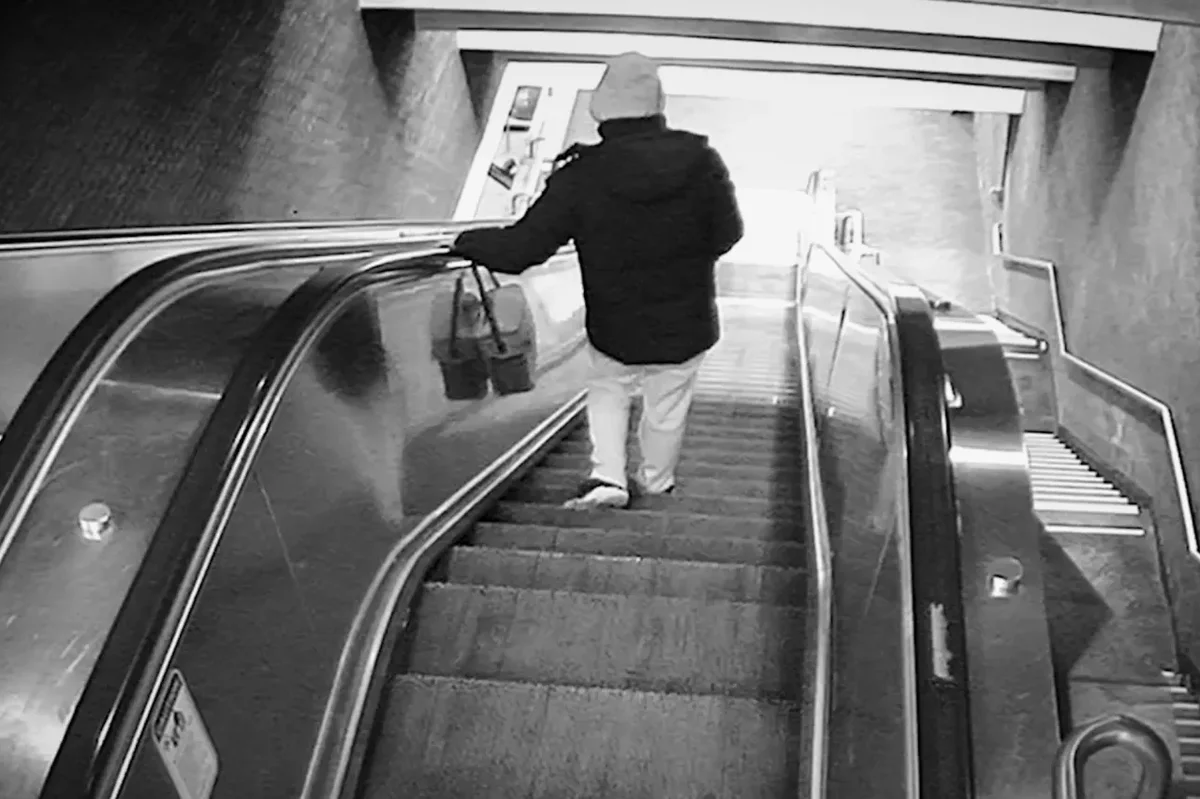
On a freezing February night in Boston, a routine commute turned into a nightmare. Robinson Lalin, a 56-year-old local resident, stepped onto an escalator at the Broadway MBTA station. He never made it off.
He was dragged, trapped, and slowly suffocated as his own clothing became a death grip around his neck. The escalator did not stop. It kept running, pulling him tighter against the heavy metal gears. For an alternative look, consider: this related article.
When the official autopsy report finally detailed the exact mechanics of his death, it sent shockwaves through the city. Lalin did not just fall. He died from severe, irreversible brain injuries caused by traumatic strangulation. His clothes had wrapped around his neck, cutting off oxygen to his brain for several agonizing minutes.
This was not a random act of God. It was a mechanical failure. It was a systemic oversight. And honestly, it points to a much larger, darker reality about the state of American public transit infrastructure. Related analysis on this matter has been shared by TIME.
How the MBTA Escalator Accident Happened
We often take escalators for granted. They seem simple. They are just moving stairs. But when you look at the mechanics of the Broadway Station incident, you realize how quickly these massive machines can turn lethal.
On February 12, 2022, Robinson Lalin was using the transit system late at night. As he descended, a loose piece of his clothing got caught in the tiny gap between the moving stairs and the stationary side panel, known as the skirt.
The escalator did not have functioning safety sensors in that specific zone. Instead of triggering an automatic emergency shut-off, the machine kept pulling. The fabric of his jacket tightened. It acted like a tourniquet around his neck.
By the time help arrived, the damage was done. The lack of oxygen caused catastrophic anoxic brain damage.
This specific tragedy highlights a massive vulnerability in older transit stations. Many escalators in urban subway systems are decades old. They lack modern safety features like skirt-deflector brushes or highly sensitive pressure sensors that detect when an object is trapped.
The Shocking Inspection Failures Left Unchecked
The public deserves to know why the machine kept running. Investigators looked closely at the maintenance logs of the Broadway Station escalator, and the findings were damning.
State oversight records showed that the escalator had missed several required safety inspections. In many major cities, transit agencies operate under a cloud of backlog and budget cuts. The MBTA is no exception.
Here is what went wrong mechanically on that fateful night:
The comb plate, which is the metal teeth at the top and bottom of the escalator where the stairs disappear, was worn down. When these teeth chip or bend, the gap widens. This makes it incredibly easy for shoelaces, long coats, or loose pants to get sucked into the internal machinery.
The emergency stop buttons were poorly marked and difficult to access. In a panic, bystanders often cannot find the shut-off switch. Even worse, some older models require significant physical force to press, or the switches themselves have rusted over from years of exposure to salty winter air and rain carried in by commuters.
The skirt switches were out of alignment. Modern escalators have sensors behind the side panels. If a skirt panel bends even a millimeter because something is caught, the sensor should cut the power immediately. At Broadway Station, that safety net failed completely.
It is a terrifying realization. You trust these machines with your life every single day, assuming they are rigorously tested. The truth is much more chaotic.
The True Cost of Neglecting Transit Safety
This incident is not an isolated case of bad luck. It is part of a pattern of negligence that has plagued Boston's transit system for years. The Federal Transit Administration has had to step in repeatedly to address severe safety violations across the entire MBTA network, from derailments to runaway trains.
When an agency prioritizes cutting costs over daily maintenance, human lives are the price.
Think about the psychological toll on the community. Commuters now look at these massive steel steps with rightful suspicion. Parents hold their children tighter. People with mobility issues are forced to take slow, unreliable elevators because they simply do not trust the escalators anymore.
And the legal fallout is only beginning. The Lalin family filed lawsuits, demanding answers and accountability. While no amount of money can bring a father and brother back, the legal pressure is sometimes the only thing that forces massive government agencies to actually fix their broken machinery.
What You Can Do to Protect Yourself on an Escalator
You cannot rely solely on transit authorities to keep you safe. You have to be proactive. It sounds ridiculous that you need a safety strategy just to ride an escalator, but the data shows it is necessary.
Pay attention to your clothing. If you are wearing a long coat, a scarf, or have loose shoelaces, pull them up. Do not let them drag along the steps or brush against the side panels.
Stand in the center of the step. Never lean against the side skirt. The friction between your shoes and the stationary wall can easily grab your footwear and pull your foot into the gap.
Locate the emergency stop button immediately when you board. It is usually at the very top and very bottom of the escalator, near the floor. If you see someone get caught, do not hesitate. Scream for help and hit that button immediately. It takes seconds for a garment to strangle someone, and every second counts.
Avoid distractions. Put your phone away. Hold the handrail. If the handrail is dirty, use a glove or hand sanitizer afterward, but do not risk your balance. A simple fall on a moving staircase can easily lead to a limb or clothing getting trapped in the comb plate.
We must demand better from our local governments. Public transport should be a utility, not a hazard. Until safety inspections are made transparent and public, every commuter remains at risk. Write to your local representatives. Demand that transit safety inspection reports be posted publicly online in real-time. Do not let Robinson Lalin's death be forgotten in a pile of bureaucratic paperwork.