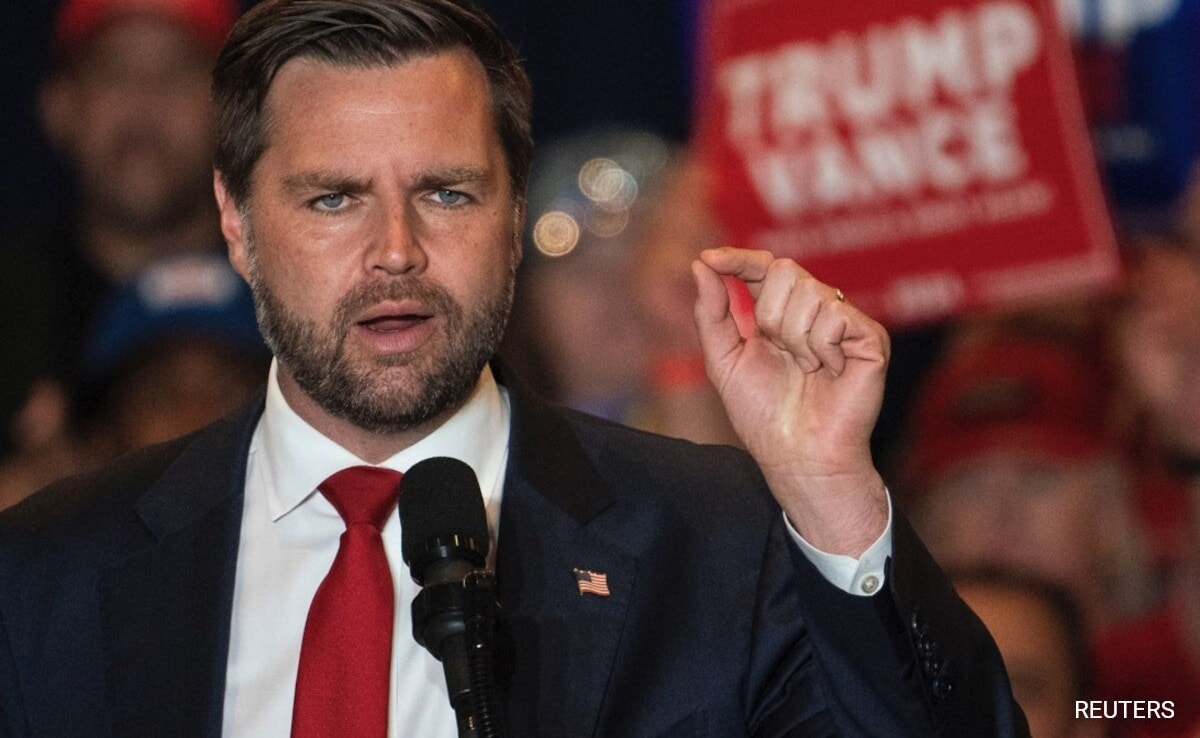
The foreign policy establishment wants you to believe that Vice President JD Vance just delivered a masterclass in American sovereignty. When Vance sat down on Joe Rogan's podcast and told "certain elements" of the Israeli government to "go to hell" for trying to tank the new US-Iran peace deal, the political commentary class swooned. To the isolationist right, it was a brave, "America First" declaration of independence. To the progressive left, it was a long-overdue rebuke of foreign meddling in American democracy.
Both sides are entirely wrong.
Vance’s sudden, public outrage is not a show of strength. It is a confession of extreme weakness.
The theatrics of telling an ally to "go to hell" is a smoke screen designed to mask a terrifying reality: the Trump administration’s hasty, slapdash peace deal with Iran is so structurally fragile that even a basic, standard-issue foreign lobbying campaign might shatter it. Vance is not angry because Israel is doing something unprecedented. He is angry because the deal he helped negotiate is a house of cards, and he knows it.
The Myth of the Shocked Sovereign
Let’s dispense with the manufactured shock. Vance claims to be horrified to discover a "literal foreign influence campaign" designed to shift American public opinion.
This is theater for the politically naive.
Every sovereign nation on earth tries to influence American policy. Washington D.C. is quite literally built on this practice. Every year, billions of dollars flow from foreign capitals into K Street lobbying firms, think tanks, and public relations agencies. Ukraine does it. Taiwan does it. Saudi Arabia does it. South Korea does it. To act shocked that Israel—a nation facing what it views as an existential security threat—is spending money to sway American voters is like expressing shock that water is wet.
Vance himself admitted as much in the very same breath, noting that it "doesn't bother" him when Russia or other countries attempt to influence American political structures. He called it "just the nature of being a political leader".
So why the explosive public meltdown over Israel?
Because the US-Iran memorandum of understanding (MOU) is incredibly unpopular, highly volatile, and economically desperate. The administration rushed into a ceasefire to stave off what President Trump openly warned would be a "worldwide depression" caused by the closure of the Strait of Hormuz. By rushing to the negotiating table after a month of joint military operations, the US signaled to Tehran that Washington has no stomach for a sustained conflict.
When you negotiate from a position of economic panic, you sign bad deals. And when you sign bad deals, you have to shout down anyone who points out the flaws.
Why Israel is Fighting a Peace Deal That Leaves It Behind
To understand why Israel is pushing back so aggressively, you have to look at what the Trump-Vance administration actually agreed to.
The interim agreement is a massive win for Iran and a dangerous gamble for everyone else. Under the terms of the G7 memorandum:
- The United States terminates all types of economic sanctions on Iran.
- A $300 billion international reconstruction fund is set up to rehabilitate Iran's economy.
- Iran agrees to reopen the Strait of Hormuz and promises not to produce nuclear weapons.
- Crucially, the actual mechanics of dismantling Iran's nuclear and ballistic missile programs are kicked down the road, to be negotiated over a highly unstable 60-day period.
Meanwhile, the deal constrains Israel's ability to defend itself against Hezbollah in southern Lebanon.
Imagine a scenario where your primary neighbor has spent decades building an arsenal of precision-guided missiles aimed at your cities. Now, your superpower ally signs a deal that hands that neighbor $300 billion, lifts their economic chains, and tells you to stop fighting their proxy forces—all on the vague "promise" that the neighbor will negotiate their nuclear program in good faith over the next two months.
Would you sit quietly? Or would you use every single PR tool, influencer, and lobbyist at your disposal to convince the American public that this deal is a security disaster?
Israel's opposition isn't "manipulation for the sake of infinite war," as Vance cheaply framed it on Rogan’s show. It is basic national survival. The Trump administration wanted a quick exit from an unpopular war, and they were willing to sell out the long-term security of their closest regional ally to get it.
The Deflection Game: Blaming the "Foreign Lobby"
By framing the opposition to the Iran deal as a sinister, backroom foreign plot, Vance is executing a classic political deflection.
If the American public realizes that the Iran deal fails to curb Tehran's missile capabilities, fails to dismantle its nuclear infrastructure, and leaves Hezbollah fully armed on Israel's border, the domestic political blowback for the administration will be severe.
So, Vance changes the subject.
Instead of defending the actual text of the agreement, he attacks the messengers. He focuses the conversation on "secret campaigns," paid online influencers, and $45 million lobbying contracts. He turns a substantive debate about Middle Eastern security and global nuclear proliferation into a populist grievance campaign about foreign actors pulling the strings in Washington.
This is weak leadership masquerading as nationalist bravado.
If the deal were strong, Vance wouldn't need to tell critics to "go to hell". He would simply point to the terms of the agreement and show how they secure American interests. The fact that he must resort to podcast-mic screaming matches proves that the administration is terrified of a transparent public debate on the merits of their diplomacy.
The Reality of the "Only Ally"
In June, Vance went so far as to warn Israeli ministers that they shouldn't attack "the only strong ally left in the world".
This is a profound misunderstanding of how alliances work. Alliance is not a charity. The United States does not support Israel out of pure benevolence, nor does Israel align with the US out of sheer gratitude. Alliances are built on shared strategic objectives.
For decades, the strategic consensus was that a nuclear-armed Iran was unacceptable to both nations. By signing an interim deal that leaves Iran's nuclear infrastructure intact while flooding its treasury with hundreds of billions of dollars, the US has broken that consensus.
Vance’s warning to Israel to "wake up and smell the reality" of their isolation is a threat, not an analysis. It is the behavior of an empire angry that its client state refuses to go quietly into the night so that the imperial power can claim a quick diplomatic victory before the next election cycle.
The administration’s policy is clear: exit the conflict, stabilize global oil markets, and deal with the nuclear fallout later. If Israel gets caught in the crossfire, that is a sacrifice Washington is apparently willing to make.
Do not buy into the narrative that JD Vance is standing up to foreign meddling. He is scrambling to protect a deeply flawed peace deal from the democratic scrutiny it deserves. When a politician tells his critics to go to hell, it is rarely because he is right. It is because he has run out of arguments.


